




Your Brain on Music
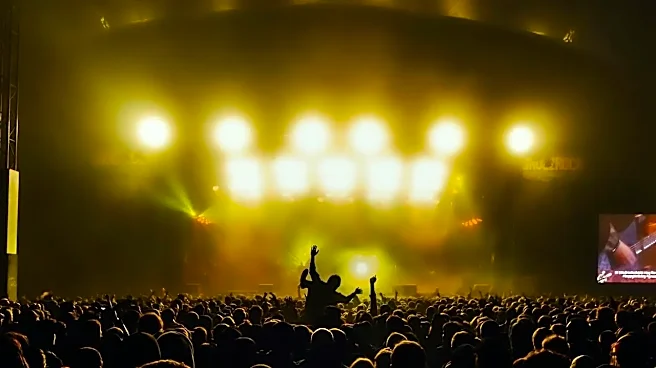
Before the singalong even starts, your brain is hard at work. The sound waves from the stage travel to your auditory cortex, which diligently processes the pitch, rhythm, and timbre of the music. But it’s not just hearing; it’s anticipating. Your prefrontal
cortex, the brain's planning and prediction center, starts trying to guess the next note or lyric. When the song is a favorite, your brain gets a satisfying little jolt each time its predictions are proven correct. This synchronized activity across different brain regions—including the right hemisphere, which is more active during singing than talking—preps you for the main event. It's a full-brain workout that engages memory, language, and motor control systems all at once.
The Ultimate Feel-Good Cocktail
The moment you start singing, your brain’s pharmacy opens for business, releasing a powerful cocktail of neurochemicals. First up is dopamine, the neurotransmitter associated with pleasure and reward. Every time you nail a lyric or harmonize with the crowd, your brain's reward system lights up, making the experience intensely gratifying. Simultaneously, your body releases endorphins, its natural painkillers, which produce a sense of euphoria often compared to a “runner's high.” But the key ingredient for a group setting is oxytocin. Often called the “love hormone” or “bonding hormone,” oxytocin fosters feelings of trust, empathy, and connection. This chemical surge helps dissolve social barriers, making you feel deeply connected to the people singing alongside you.
Losing Yourself to Find Connection
That feeling of being part of something larger than yourself has a name: collective effervescence. Coined by sociologist Émile Durkheim, it describes the shared energy and sense of unity that can arise in group rituals. During a massive singalong, this phenomenon is in full effect. Neurologically, this may involve a temporary quieting of the parts of the brain associated with self-awareness and introspection. As you become absorbed in the collective act of singing, the boundaries between “you” and “the crowd” can feel like they’re blurring. This isn’t just a feeling; research shows that these moments of shared connection can lead to a lasting increase in happiness and a greater sense of purpose, even days after the concert ends. It’s a powerful, prosocial experience that turns a crowd of individuals into a temporary, harmonious whole.
Getting on the Same Wavelength, Literally
Perhaps the most fascinating part of this process is what scientists call neural synchronization or group entrainment. Studies have shown that when people sing or move together in rhythm, their brainwaves, heart rates, and even their breathing can start to sync up. Your brain isn't just reacting to the music; it's actively trying to align with the brains of those around you. This shared neural rhythm enhances feelings of empathy and social cohesion. It’s the biological basis for feeling “in sync” with tens of thousands of other fans. This act of coming together cooperatively is so fundamental that some researchers believe the pleasure we get from it is an evolutionary reward for social bonding.