



The Six-Figure Spectacle
That perfectly timed burst of pyrotechnics or field-covering blanket of confetti doesn't come cheap. While simple indoor effects can cost a few hundred dollars, major festival productions operate on a different scale. A single headlining set’s worth of pyro,
C02 jets, and confetti can easily run into the tens of thousands, and for major touring artists, a full pyromusical show can cost between $1,000 to $2,000 per minute. This cost is almost always shouldered by the artist, not the festival. It’s a line item in their tour budget, factored in alongside travel and crew salaries. For many headliners, a production budget is provided by the festival on top of their performance fee, but any effects beyond that come out of the artist's own pocket. It's a significant investment, representing a calculated decision that the visual impact is worth the price.
The Logistical Labyrinth
Beyond the price tag lies a maze of logistics. Firing off pyrotechnics at a festival like Austin City Limits isn't a simple case of lighting a fuse. The process involves a dedicated team of licensed professionals who handle everything from design to execution. These technicians work for weeks, sometimes months, in advance with an artist’s production team to choreograph effects to the music, a process known as creating a "pyromusical." Safety is the highest priority, governed by strict standards from the National Fire Protection Association (NFPA). This involves securing federal and local permits, coordinating with the fire marshal, and establishing extensive safety perimeters. Every single spark and flame burst is meticulously planned and controlled by veteran technicians to ensure the safety of the audience, the artist, and the crew.
The 'Instagrammable' Moment
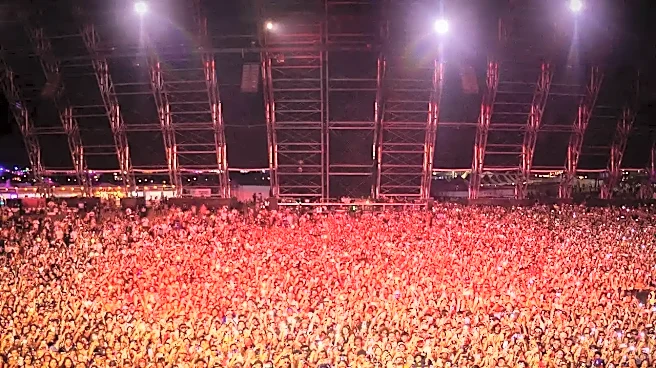
So, why would an artist spend a small fortune on something that literally goes up in smoke? The answer is the benefit side of the cost-benefit equation: creating an unforgettable, shareable moment. In today’s experience economy, a concert is more than just music; it's a visual spectacle. A massive confetti drop or a perfectly timed pyro blast is designed to be the peak of the show—an emotional, sensory high point that gets phones out of pockets and plastered all over social media. These effects amplify the atmosphere, turning a great performance into a legendary one. For an artist, this is invaluable branding. It helps build a reputation as a must-see live act and creates the kind of lasting memories that turn casual listeners into devoted fans.
The Unseen Cleanup
The benefits are clear, but the costs aren't purely financial. There are significant environmental and cleanup considerations, especially with confetti. While some festivals mandate biodegradable options, many traditional confetti cannons blast out tiny pieces of plastic or Mylar. These materials can take hundreds of years to break down, becoming microplastic pollution that harms wildlife and can enter waterways. Even paper confetti, while better, is still litter that must be painstakingly cleaned up by festival crews. The cleanup is a massive, often manual effort that adds another layer of labor and cost to the event. This hidden consequence is prompting a slow but steady shift toward more sustainable alternatives, like water-soluble confetti or even recycled-leaf confetti, as the industry grapples with its environmental footprint.