




The Global Stage for Men's Style
Before we unpack the style clash, let's be clear on what Pitti Uomo is. At its core, it’s a trade show—a place where brands and designers showcase their upcoming collections to buyers and press from around the globe. Started in the 1970s, it became the premier
destination for classic Italian and international menswear. But over the decades, something else happened. The attendees themselves, with their carefully constructed outfits, became the main event. Photographers swarmed the Fortezza da Basso, the event’s main venue, turning the courtyard into the world's most important runway for men's street style. For years, that style had a distinct flavor: impeccable tailoring.
The Kingdom of the 'Pitti Peacock'
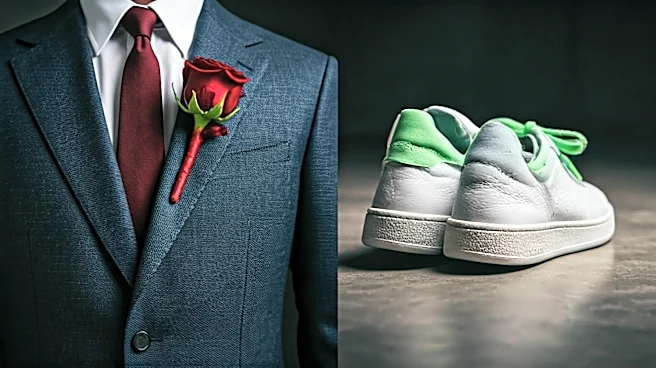
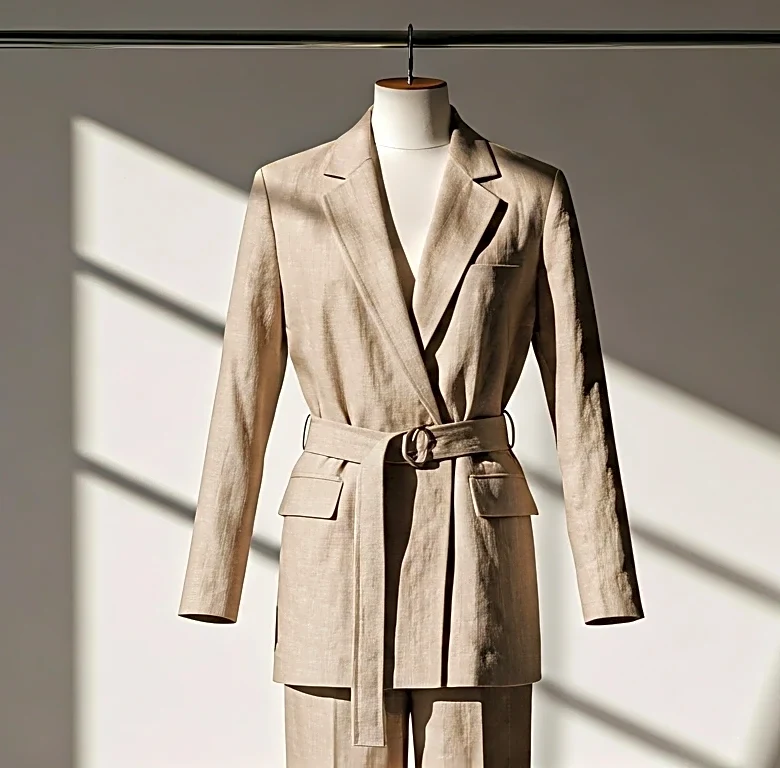
The quintessential image of Pitti Uomo is the “Pitti Peacock.” This is the man who lives and breathes tailoring. He’s dressed in a double-breasted suit (in January, perhaps tweed; in June, airy linen), with a perfect shoulder line and trousers that break just so over a pair of burnished leather loafers. His accessories are considered, from the pocket square to the vintage watch. For these purists, Pitti is a pilgrimage. It's a place to celebrate the art of sartorial craft, to connect with fellow aficionados, and to champion a timeless vision of masculine elegance. This is the tradition Pitti was built on, a celebration of *sprezzatura*—that uniquely Italian art of studied nonchalance.
Then Came the Streetwear Invasion
About a decade ago, the photos from Florence started to look different. Alongside the sea of suits, pops of neon, graphic hoodies, and chunky sneakers began to appear. The rise of streetwear as a dominant force in luxury fashion couldn’t be ignored, not even in the hallowed grounds of classic menswear. Initially, it felt like two distinct armies showing up for the same battle: the tailoring tribe on one side, the hypebeasts on the other. The sneakerheads brought a different energy. Their currency wasn’t the perfect Neapolitan shoulder, but the limited-edition Off-White x Nike collaboration or the latest technical jacket from an obscure Japanese brand. They represented a new generation of fashion consumer and a seismic shift in what it meant to be stylish.
A Marketplace, Not a Museum
So why did Pitti Uomo let the sneakerheads in? The answer is simple: business. A trade show is not a museum dedicated to preserving the past; it’s a living marketplace that must reflect the present to have a future. The brands that pay to exhibit at Pitti need to sell clothes, and the buyers who attend need to stock their stores with things people actually want to buy. As menswear globally embraced casualization, so too did Pitti. The show floor itself began to feature more contemporary, streetwear-inflected brands alongside the heritage tailoring houses. To banish streetwear would have been to render the event irrelevant, turning it from a forward-looking industry event into a historical reenactment society.
The New High-Low Harmony
Today, the most interesting thing about Pitti Uomo is not the tension between these two camps, but their fusion. The wall has come down. The sharpest dressers are no longer just purists on either side; they’re the ones who skillfully mix the two worlds. You’ll see a man in a beautifully cut, unlined blazer from a legacy brand, but he’s wearing it over a simple t-shirt with worn-in jeans and a pair of classic Adidas Sambas. You’ll see another in wide-leg cargo pants and hyped sneakers, but he's topped it with a formal, tailored overcoat. This high-low mix isn’t just a Pitti phenomenon; it's how the modern, style-conscious man dresses. Pitti simply provides the most visible stage for it, demonstrating that tailoring and sneakers aren't enemies. They are just two different tools in the same style toolbox.