






A History of Masculine Formality
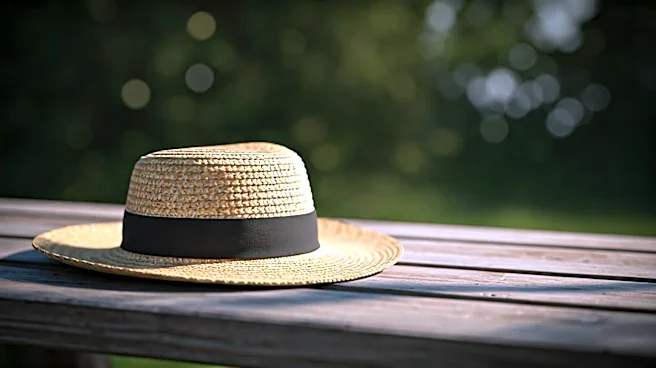
Before it was a chic accessory for women, the boater was strictly for men. Its story begins in the 19th century, with origins tracing back to the flat-topped straw hats worn by Venetian gondoliers. By the late 1800s and early 1900s, it had become the definitive
semi-formal summer hat for Western men. Made of stiff sennit straw with a flat top and brim, it was the warm-weather equivalent of a felt Homburg or bowler hat. It was the hat of barbershop quartets, university rowing clubs, and dapper gentlemen strolling on “Straw Hat Day,” the official start of the summer season when men would ceremoniously switch from their winter felts. The boater was structured, uniform, and deeply rooted in masculine tradition and leisurely, yet proper, pursuits.
Enter the People's Princess
Fast forward to the 1980s, a decade of bold shoulders, big hair, and even bigger fashion risks. No one navigated this changing style landscape better than Princess Diana. From her early days as a shy aristocrat in pie-crust collars to a global fashion powerhouse, Diana had an unmatched ability to communicate through her clothes. She could be formal and regal one moment and approachable and casual the next. More importantly, she had a knack for taking established, even stuffy, style rules and giving them a modern, personal, and often playful twist. Her wardrobe became a masterclass in balancing tradition with a fresh, contemporary sensibility, making her the perfect person to redefine a classic like the boater hat.
The Contradiction Made Perfect
This is where the magic happens. The central contradiction of the boater is the tension between its rigid, masculine history and its potential for soft, feminine styling. Diana didn't just wear a boater; she absorbed it into her look, bending its formal nature to her will. By placing this historically male hat on her famously coiffed hair, she created an instant point of interest. It was a subtle act of rebellion—less aggressive than a power suit, but just as effective. The hat’s stiff, architectural shape provided a striking contrast to the softer lines of a dress or the confident drape of a blazer. It was a nod to tradition that simultaneously felt completely new, and this blend of hard and soft, masculine and feminine, formal and playful, is precisely why it worked so well.
The Mood Board: How Diana Wore It
A look through photos of Princess Diana in the '80s reveals a boater for every mood. In 1981, she wore a simple black boater while visiting Chesterfield, projecting a quiet, accessible elegance. For a garden party in New Zealand, a striking black-and-white version added graphic punch to her ensemble. At the funeral of Princess Grace of Monaco in 1982, a somber black boater with a netted veil was the picture of solemn respect. In each instance, the hat wasn't just an afterthought; it was a key component of the narrative. Paired with a tailored suit, the boater could look sharp and nautical. Worn with a more relaxed outfit, it felt approachable and chic. Her styling proved the hat's versatility, showing it could be serious, whimsical, powerful, or sweet, depending entirely on the context she created.
Why the Boater Endures Today
The legacy of Diana’s styling is why the boater remains a sophisticated summer choice. It has been reclaimed as a unisex accessory, loved for the very contradiction she highlighted. In a sea of floppy sun hats, the boater’s defined structure offers a touch of intentionality. It adds a crisp, graphic line to a flowing floral maxi dress or brings a dash of vintage charm to a simple t-shirt and jeans. It elevates a casual look without making it feel overwrought. The boater works because it carries its history within its silhouette—that hint of old-world formality and masculine structure—but allows for endless modern interpretations. It’s a statement piece that whispers rather than shouts, offering a slice of polished, timeless style for any summer occasion.