





The Blueprint for Intrigue
First, let's talk about the term "closed-circle mystery." Popularized by authors like Agatha Christie, it’s a story where a crime occurs among a limited, isolated group of people. Think 'Murder on the Orient Express'—the killer has to be one of the people on the train.
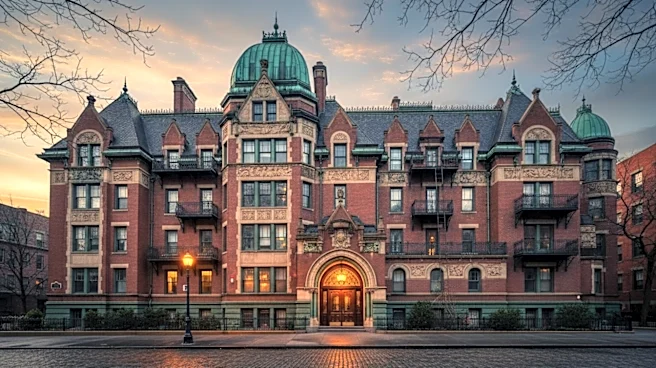
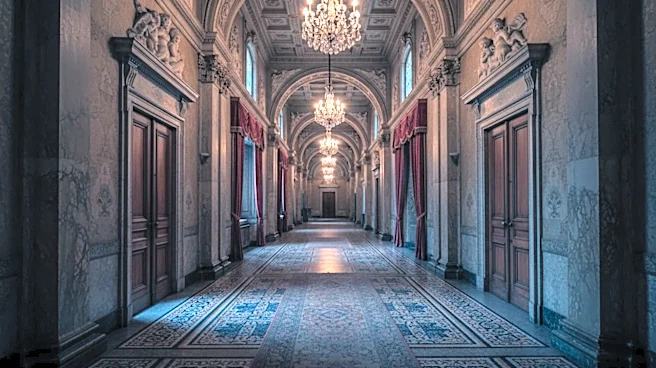
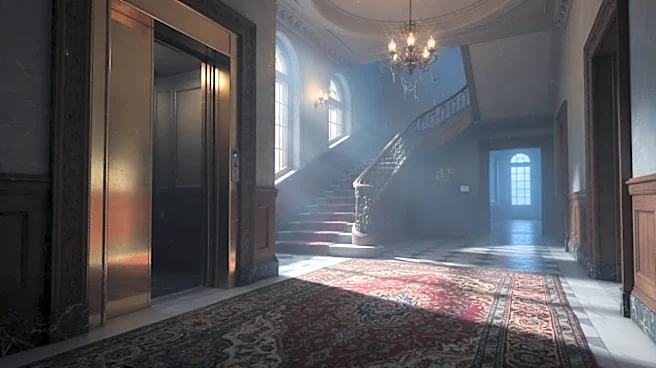
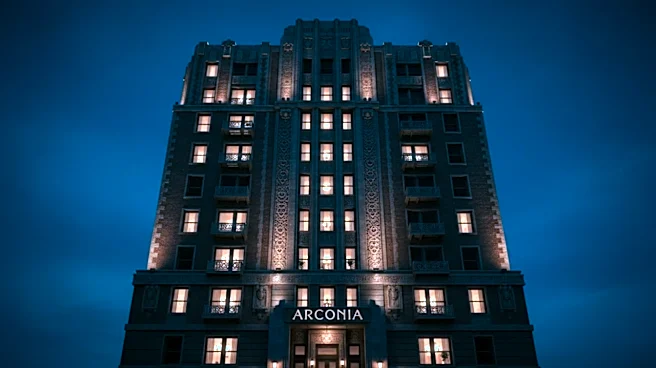
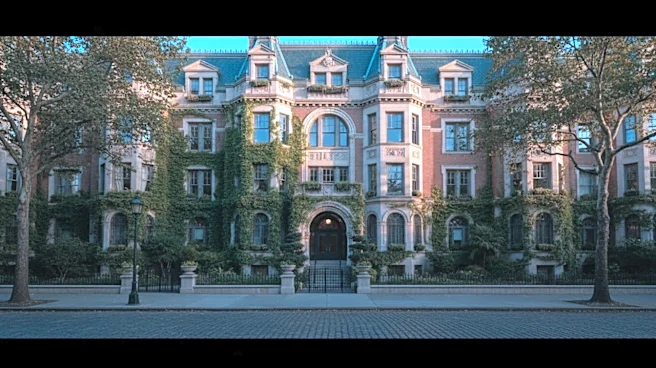
The Arconia is a vertical, Upper West Side version of that stalled train. The building itself provides the isolation. Its pre-war architecture, with its single courtyard entrance, labyrinthine corridors, and often-temperamental elevators, forces its residents into a shared, confined space. While the show's interiors are filmed on a soundstage, they're inspired by the grandeur and quirks of real New York landmarks like the Belnord and the Ansonia. The layout creates both forced intimacy and profound anonymity. You might share an elevator with a neighbor for years without knowing their name—or the secrets they’re hiding. This architectural design isn't just a backdrop; it's a narrative tool that ensures everyone is a potential suspect, witness, or victim.
A Cast of Complicated Characters
A closed-circle mystery needs a finite cast of suspects, and the Arconia delivers them on a silver platter. The building functions as a curated community of eccentrics, artists, lonely souls, and wealthy recluses. By definition, to live in the Arconia is to be part of the story. The board, led by the tragically departed Bunny Folger, acts as a gatekeeper, creating a specific, if dysfunctional, ecosystem. This collection of residents—from the cat-loving Howard Morris to the perpetually grumpy and now infamous West Tower renters—provides a ready-made list of individuals with interwoven histories and hidden motives. The show masterfully uses this dynamic; every new murder investigation begins with our trio simply looking at their neighbors. The building's social structure means the pool of suspects is always known, making the central question not "who could have done this?" but rather, "which one of us did this?"
A History Steeped in Secrets
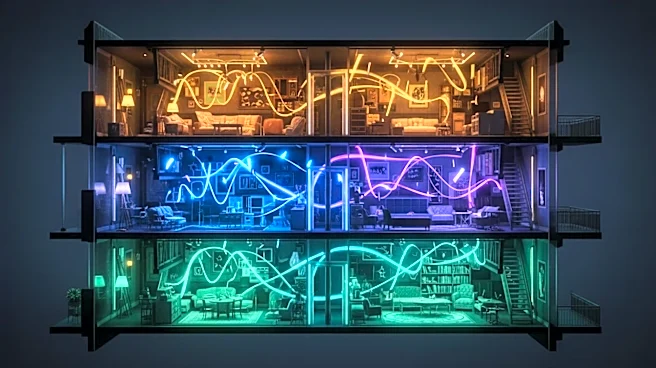
The Arconia, like its real-life counterpart the Belnord (built in 1908), is dripping with history. A century-old building doesn't just have good bones; it has ghosts, legends, and layers of secrets built into its very walls. This history provides an endless well of narrative possibilities. The show has brilliantly tapped into this with the discovery of the "Arcatacombs," a network of secret passageways used for everything from hide-and-seek to spying. These hidden tunnels are a physical manifestation of the building's hidden life, allowing killers to move unseen and our heroes to eavesdrop on their neighbors. The building’s lore, from its architect's own strange history to past scandals, adds a gothic weight to the proceedings. It suggests that the current murders are not isolated incidents but merely the latest chapter in the Arconia’s long and storied history of intrigue.
A Fantasy of Urban Community
At its heart, the Arconia represents a fantasized version of New York City living. It’s a place where, despite the high walls and private apartments, a true, albeit chaotic, community exists. The residents gather in the courtyard, gossip in the lobby, and reluctantly participate in building meetings. This sense of a shared world is crucial for the mystery. It explains how characters like Charles, Oliver, and Mabel, who might otherwise never interact, are thrown together by circumstance. The building co-creator, John Hoffman, has said the real-life Belnord “basically wrote itself into our show as its own central compelling character.” It’s this blend of isolation and community that makes the Arconia the perfect mystery machine. It traps its characters together, forces them to confront one another, and contains all the clues, suspects, and solutions within its own elegant, imposing walls.