





Rule #1: Start with a Solid Anchor
Before you dive into a sea of clashing patterns, take a cue from the most seasoned Pitti veterans: ground your outfit with a strong, solid foundation. Think of it as the canvas for your sartorial masterpiece. The easiest way to do this is with a major
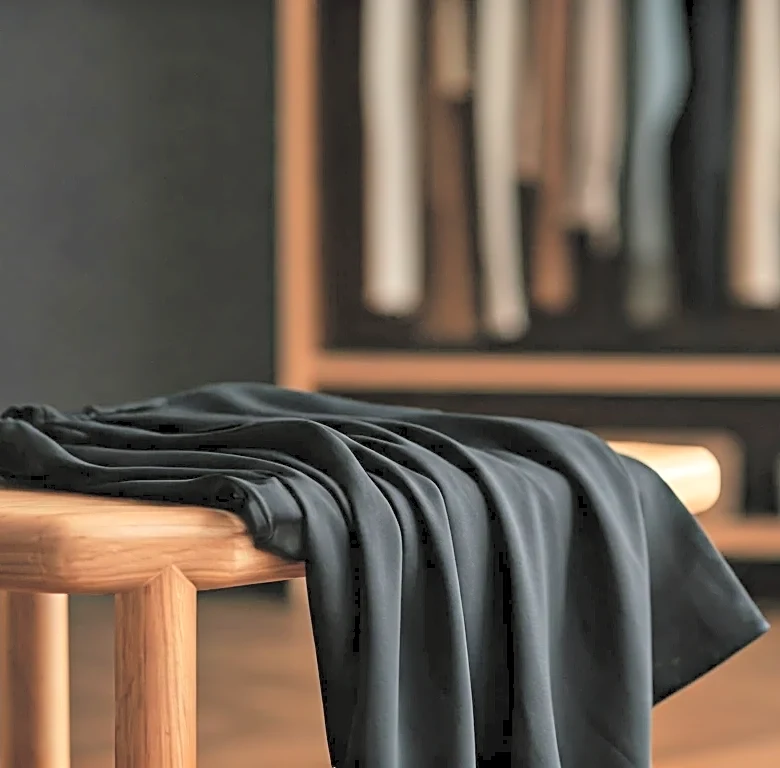
piece of clothing. A sharp, solid navy blazer or a classic pair of gray flannel trousers provides a calm, neutral backdrop that allows your patterned pieces to shine without overwhelming the eye. This solid anchor does the heavy lifting, telling the world that your choices are deliberate, not accidental. For instance, a solid sport coat can effortlessly tie together a striped shirt and a subtly checked pocket square. It’s the visual quiet that makes the noise of the patterns feel intentional and stylish, rather than chaotic and messy. It’s the first and most important step to looking put-together instead of looking like you got dressed in the dark.
Rule #2: Master the Art of Scale
Here's the secret that separates the amateurs from the pros: when mixing patterns, always vary their scale. This is the single most important principle. If you try to pair a pinstripe shirt with a tie that has similarly sized stripes, the patterns will compete and create a dizzying, vibrating effect called moiré. It’s visually jarring. The Pitti Uomo regulars understand this instinctively. They’ll pair a shirt with a wide, bold stripe against a tie with a tiny, intricate geometric print (a micro-pattern). Or they’ll wear a jacket with a large-scale windowpane check over a shirt with a fine, narrow bengal stripe. The rule is simple: mix big with small. The difference in size allows each pattern to have its own space and be appreciated individually, while still contributing to a cohesive, layered whole. One bold pattern should always be the star, while the other plays a supporting role.
Rule #3: Find Your Common Color Thread
Okay, you’ve got your solid anchor and you’re varying the scale of your patterns. Now, how do you make a blue striped shirt, a brown checked jacket, and a burgundy paisley tie look like they belong together? The answer is color theory. The most successful and seemingly complex outfits at Pitti Uomo are almost always unified by a common color thread. Look closely at that impeccably dressed man. You might notice that the navy in his blazer is picked up in the thin stripe of his shirt, and a hint of that same blue is found in the background of his patterned tie. This shared color acts as a unifying element, bridging the gap between different patterns and palettes. You don't need a perfect match; related shades in the same family (e.g., light blue and navy) work just as well. This technique creates a harmonious look that feels considered and sophisticated, even when you're juggling three or more different patterns.
Rule #4: When in Doubt, Use Texture
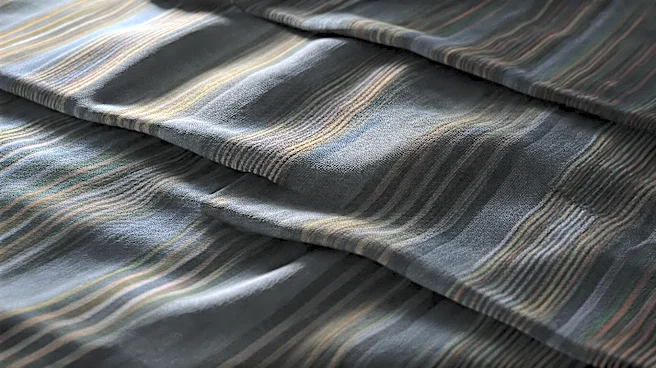
Not quite ready to mix a plaid, a stripe, and a polka dot? There’s another tool the Florentine pros use to add depth without adding visual clutter: texture. A richly textured fabric can function like a pattern, providing visual interest without competing for attention. Think of a knit tie, a raw silk jacket, a slubby linen shirt, or a pair of corduroy trousers. These pieces have surface dimension that catches the light and adds a layer of sophistication. You can easily pair a solid knit tie with a striped shirt and a solid blazer; the tie’s texture does the work of a second pattern. Or, you can mix two patterns (like a checked jacket and a striped shirt) and then add a third element of texture, such as a solid cashmere scarf or a suede shoe. It’s a subtle move that demonstrates a high level of style intelligence, adding depth and a tactile quality that sets your outfit apart.