


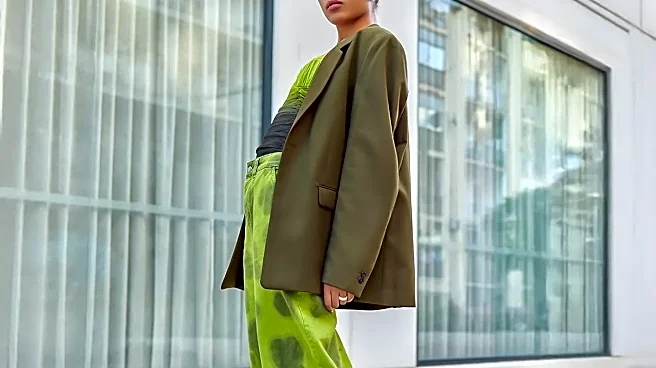
The Unofficial Uniform
Walk the streets of SoHo during New York Fashion Week, and you'll see it. A kind of unofficial uniform has emerged among the sea of editors, influencers, and style hopefuls. The specific components shift season to season, but the blueprint remains recognizable.
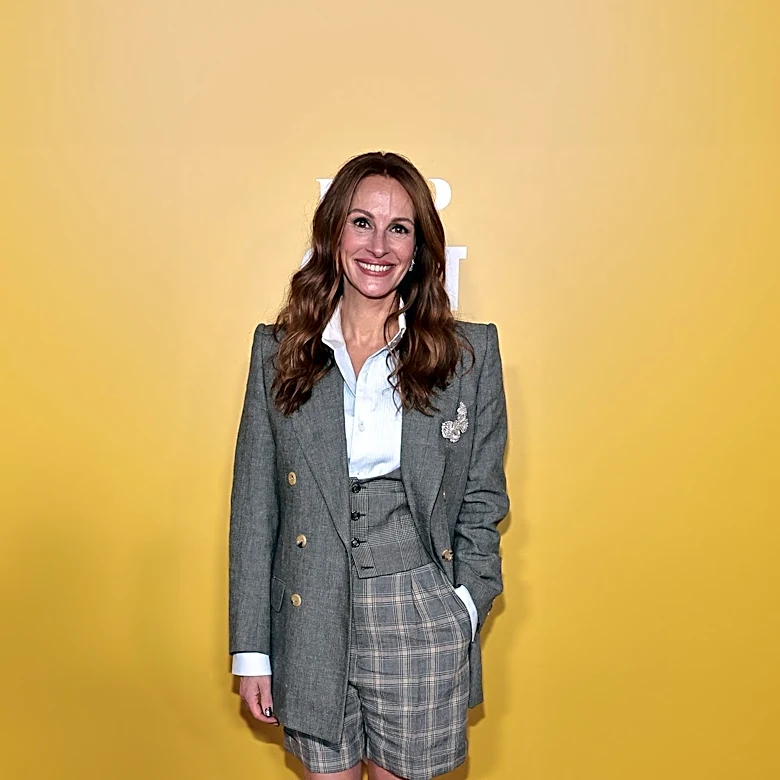
For fall 2026, it might be a pair of voluminous 'balloon' or barrel-leg pants, a cropped jacket to define the waist, and a highly coveted 'It' bag, like Balenciaga's Rodeo, dangling from the arm. This is often accessorized with heeled thong sandals (weather permitting), minimalist jewelry, and perhaps a headscarf for a touch of calculated sprezzatura. While individually stylish, the sheer repetition of these elements can create a sense of déjà vu. What was once a canvas for radical self-expression now often feels like a well-rehearsed play where everyone got the same costume notes.
The Algorithm-Friendly Fit
So, why has this happened? The answer lies less on the pavement and more in the palm of our hands. The rise of social media platforms like Instagram and TikTok has fundamentally changed the street style game. An outfit's value is now often measured by its digital performance. This has created a feedback loop where certain aesthetics—clean lines, recognizable luxury items, and easily digestible silhouettes—are favored by the algorithm, encouraging their replication. Influencers and attendees, consciously or not, gravitate towards looks that are proven to generate engagement. Brands contribute to this by 'seeding' products to key figures, ensuring their latest bag or shoe appears in dozens of photos. The result is a landscape where dressing is less about personal storytelling and more about creating content that feeds the digital machine, a phenomenon some critics have lamented as turning fashion shows into spectacles for social media ops rather than about the clothes themselves.
From Trend to Template
There’s a fine line between a trend and a template, and the current Fashion Week formula has decidedly crossed it. The original purpose of street style, as pioneered by photographers like Bill Cunningham, was to capture authentic, candid moments of personal expression. It was about how real people interpreted fashion for themselves. Today, that authenticity is often replaced by performance. The pressure to be photographed and featured has turned sidewalks into a stage, creating outfits that can feel like costumes designed for a photo, not for a life. This shift has led to a growing sense of fatigue and even criticism that fashion week has become less memorable and more commercial. When everyone is working from the same sartorial mood board, the result is a sea of stylish, yet ultimately interchangeable, images that lack the spark of genuine individuality.
The Search for the Antidote
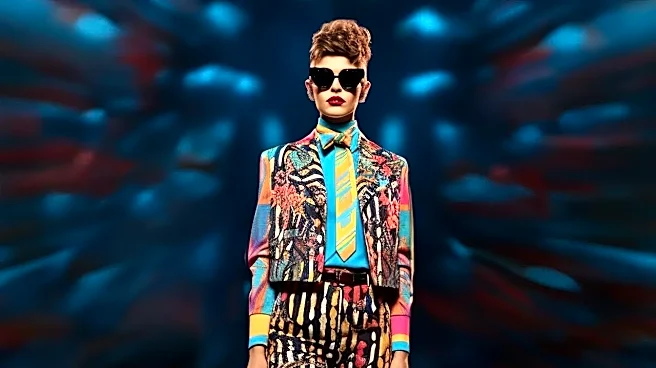
Despite the prevailing formula, sparks of originality persist. The antidote to the visual noise isn't a new set of trends, but a return to genuine personal style. During the most recent New York Fashion Week, this was visible in the unexpected layering of patterns, like plaid with zebra print, or the embrace of bold, maximalist statements that defy easy categorization. It was seen in attendees who played with proportions in surprising ways or mixed high-end tailoring with vintage finds. True style rebels are proving that it's still possible to stand out by looking like themselves, not like an algorithm's ideal. They serve as a reminder that fashion's most exciting moments happen when the unwritten rules are broken, not followed to the letter.