



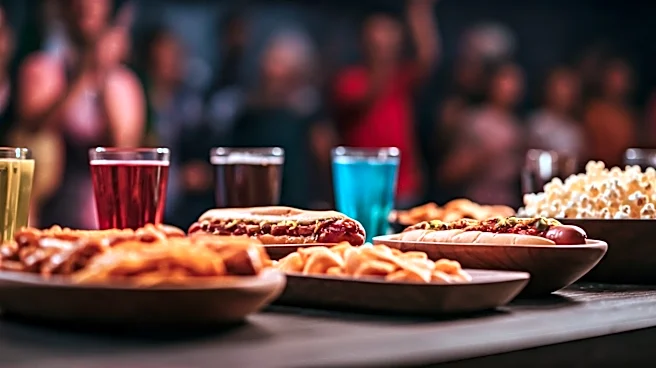


The Ritual Before the Whistle
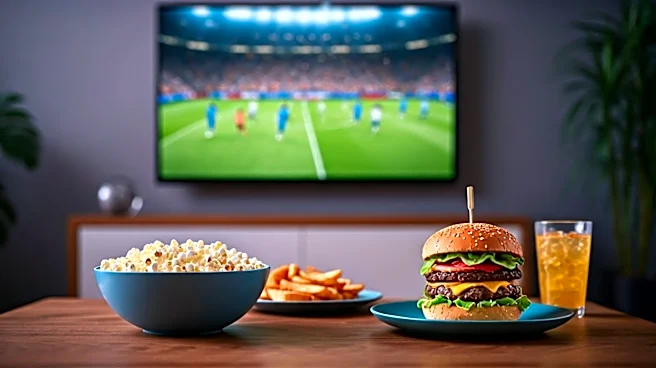
It’s a scene that plays out in living rooms and backyards across America: the game is on, but the main event hasn’t started. The real kickoff happens in the kitchen. For some, it’s the meticulous layering of a dip; for others, it's the firing up of a grill
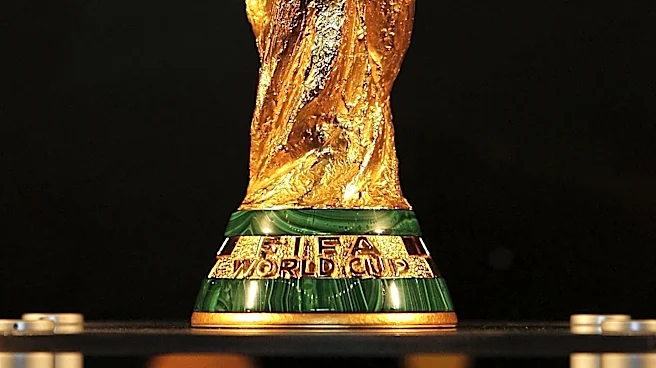
for beer brats or wings. This pre-game ritual is more than just preparation; it's a form of summoning. You’re not just making food; you’re setting the stage for a shared experience, creating an atmosphere thick with anticipation. It’s a tradition that says, “This moment is special.” Whether it’s a global event like the World Cup or a regular-season league game, the food is the first play of the day. It’s a signal to everyone gathered that it’s time to settle in, to shed the worries of the week, and to focus on the collective drama about to unfold on screen.
More Than Just Game Day Fuel
Let’s be honest: a bowl of guacamole and a pile of cheeseburger sliders aren't consumed for their nutritional benefits during a tense match. This is about something deeper. Psychologists and athletes alike understand the power of ritual to create focus and a sense of control in a situation that is, for a fan, entirely uncontrollable. That specific meal—the one you always make for a big game—becomes a superstition, a lucky charm. It’s a way of participating. You can’t pass the ball or make a save, but you can perfect your pulled pork recipe or ensure the chips never run out. These food rituals provide a comforting structure. They are the familiar, controllable element in an afternoon of unpredictable, heart-pounding chaos. They transform passive viewing into an active, almost sacred event.
The Science of a Food Memory
There’s a reason the taste of a specific snack can transport you back to a specific goal or a devastating loss. Our brains are wired to connect scent and taste directly to the hippocampus and amygdala, the centers for memory and emotion. This link is far more powerful than the one between memory and our other senses. When you eat those grilled chicken wings during a last-minute victory, your brain forges a powerful neural pathway. The flavor, the excitement, the joy—it all gets bundled together. The nutrients in food also affect our brain chemistry, influencing our mood and cognitive function. So, that celebratory meal isn’t just in your head; it’s literally shaping how you experience and recall the event. The meal becomes an edible souvenir of the moment, forever linking that flavor profile to the drama of the match.
A Universal Language of Fandom
While an American fan might be grilling hot dogs or assembling 'totchos'—tater tots with nacho toppings—a fan in Brazil might be sharing Pão de Queijo (cheesy bread), while another in South Korea enjoys Kimbap. The specific dishes change, but the impulse is identical. Food is a global unifier in sports culture. It’s a way to connect with the heritage of a team or a country, or simply to gather friends for a shared experience. For major tournaments, food becomes a way to travel from your couch, trying dishes from the countries competing. It’s a delicious expression of the global spirit of the game, a reminder that while we may root for different teams, the ritual of sharing a meal while we do it is a language we all understand.