


The Dream of the Drapey Trouser
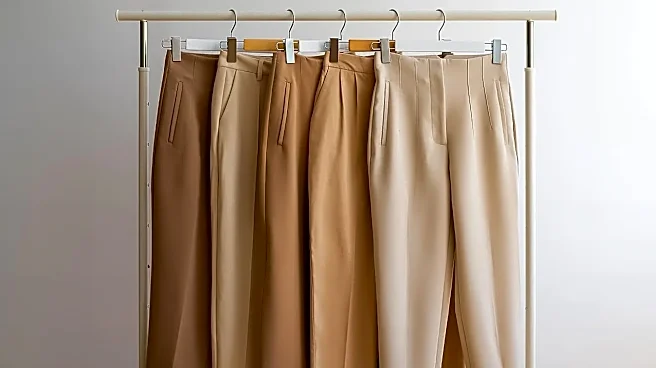
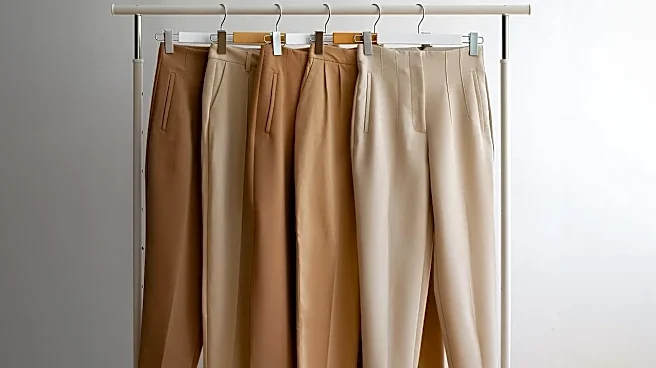
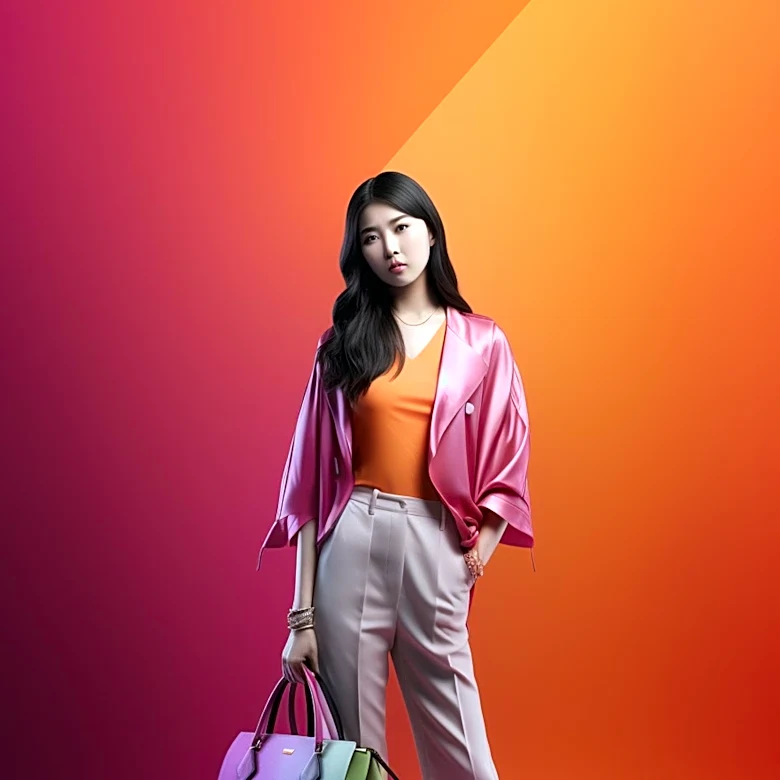
The Copenhagen-inspired trouser is a thing of beauty. Think wide-leg silhouettes, a relaxed fit, and a fabric that drapes just so, creating a clean, unbroken line from hip to floor. It’s the sartorial secret to looking put-together without appearing like
you’ve tried too hard. Whether paired with a simple tank top, an oversized blazer, or a cozy knit, these trousers are the versatile foundation of a modern, minimalist wardrobe. The entire look, however, hinges on the fabric’s ability to move with you and then fall gracefully back into place. When it fails, the effortless dream quickly turns into a frumpy reality.
What Is Fabric Recovery, Anyway?
This is where a little fabric science comes in handy. Fabric recovery is a textile's ability to return to its original size and shape after being stretched. Imagine a high-quality rubber band: you stretch it, and it snaps right back. A fabric with good recovery does the same. This property is different from stretch, which is simply how far a fabric can extend. A material can have a lot of stretch but poor recovery, meaning once it's pulled out of shape—say, by you sitting at a desk for hours—it stays that way. This leads to the dreaded baggy knees and sagging seat that can ruin the sharp lines of a wide-leg trouser.
The Usual Suspects: Fabrics with Poor Recovery
If your trousers are betraying you by mid-day, chances are they’re made from a fabric with low recovery. Pure linen is a notorious culprit; while incredibly breathable and perfect for summer, its fibers have little natural elasticity, leading to wrinkles and stretching out in high-stress areas. Some 100% cotton weaves, especially looser ones not designed for structure, can also 'grow' throughout the day. The same goes for certain rayons and viscose fabrics, which, despite their beautiful drape, can lack the structural memory to bounce back after being stretched.
The Unsung Heroes: Fabrics That Snap Back
For trousers that hold their shape, look for materials known for excellent recovery. Wool is a natural champion in this category. Its fibers have a natural crimp, like a tiny spring, that allows them to stretch and then recoil. This is why wool trousers resist wrinkling and maintain a sharp silhouette all day long. Similarly, fabrics with a small percentage of elastane (also known as Spandex or Lycra) are a great choice. Just 2-5% of this fiber blended with cotton, polyester, or viscose can provide the 'snap back' needed to prevent sagging without compromising the look and feel of the primary material. High-twist cotton and certain polyester blends can also offer superior shape retention.
How to Shop Smarter and Care for Your Trousers
The key to avoiding the sag is to become an informed shopper. Always check the fabric content label before you buy. For that drapey, wide-leg look, a wool blend or a viscose/polyester blend with a touch of elastane is often a safe bet. When you’re in the store, perform a quick 'scrunch test': grab a handful of the fabric, squeeze it tightly for a few seconds, and then see how quickly the wrinkles fall out. A fabric that smoothes out quickly likely has good recovery. When it comes to care, follow the instructions on the label. Avoid over-washing and high heat in the dryer, which can damage elastic fibers and prematurely age your garments. For fabrics like wool, steaming instead of frequent washing can help refresh the fibers and restore their natural shape.