










The Home Kit: A Sacred Uniform
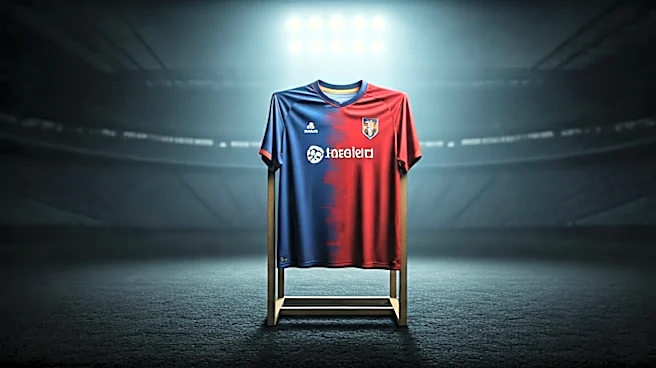
Think of a nation's home kit as its flag in motion. It is the visual shorthand for a country's entire footballing history and identity. Brazil is yellow. Argentina is sky blue and white stripes. Italy is 'Azzurro' blue. The Netherlands is a vibrant orange,
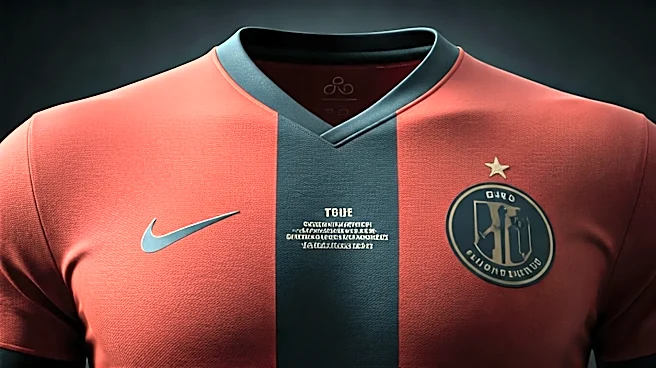
a color intrinsically linked to its royal house. These aren't just design choices; they are sacred institutions. Brands like Adidas and Nike, who dominate the kit manufacturing world, understand this. When they update a home jersey, the changes are almost always subtle—a tweak to the collar, a new fabric texture, a slightly different font. To dramatically alter a home kit would be seen as an act of cultural vandalism. It’s the jersey worn for the most important home qualifiers and, ideally, in the final. It represents stability, heritage, and what the team stands for at its core. It’s the shirt you see in grainy footage of past triumphs and the one fans will wear for decades to come, instantly recognizable and forever associated with national pride.
The Away Kit: A Creative Playground
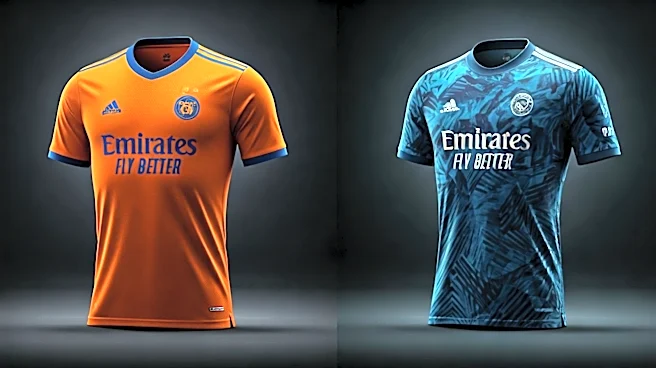
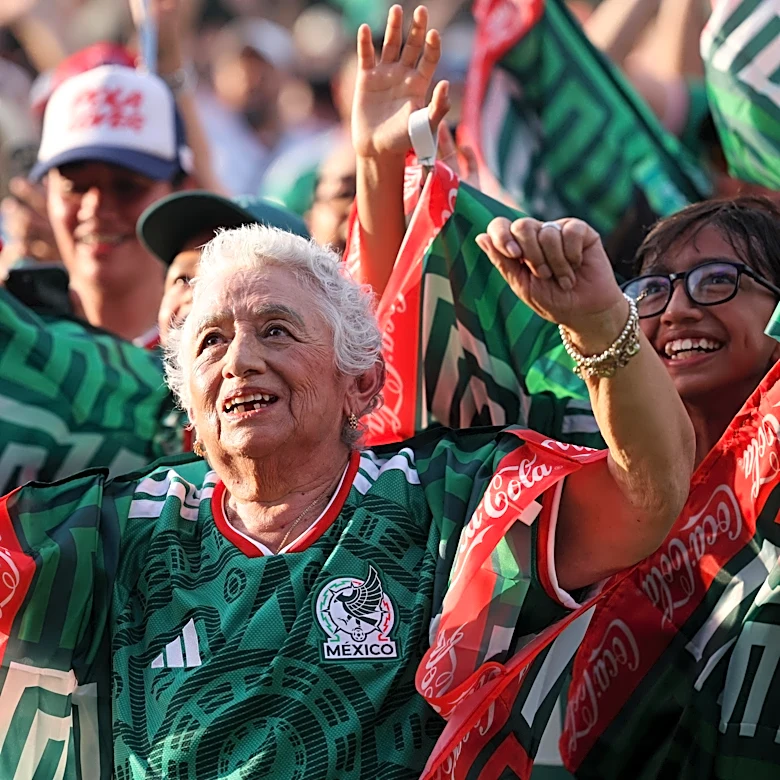
If the home kit is a history book, the away kit is a fashion magazine. This is where the designers are let off the leash. Freed from the constraints of tradition, the away kit (or the third kit, in many cases) becomes a canvas for experimentation, storytelling, and pure, unadulterated style. It’s a space to take risks that would be unthinkable for the primary jersey. Mexico’s recent away kits, for example, have drawn inspiration from Aztec art and deities, creating designs that are as much a cultural artifact as they are sportswear. Germany, famous for its stoic white home shirt, shocked traditionalists with a bold pink and purple away kit for Euro 2024, a design meant to reflect the country's diversity. These kits often tell a more contemporary story about a nation—its modern art scene, its youth culture, its social values. They are designed to be a conversation starter, generating buzz and debate that a classic home kit simply cannot.
Commerce, Culture, and Hype
Let’s be honest: there’s a massive commercial incentive behind this strategy. While die-hard fans will always buy the home kit, the away kit is often aimed at a broader, more style-conscious audience. It’s the jersey that transcends the stadium and finds its way into streetwear culture. The undisputed champion of this phenomenon was Nigeria’s 2018 World Cup collection. Its home kit was a vibrant, jagged homage to their 1994 design, but the entire collection, particularly the travel tracksuit, sold out globally in minutes. It became a fashion grail item, worn by people who might not have been able to name a single player on the team. Brands use away kits to create a moment of cultural relevance, a 'hype' product that generates millions in revenue and priceless media exposure. It’s a calculated risk: a bold design can become an instant classic and a massive seller, while a flop is quickly forgotten by the next tournament cycle.
Telling a Story On the Field
Beyond the aesthetics and marketing, the two kits serve different functions in the tournament narrative itself. The home kit is what a team wants to be remembered in. It’s the armor they wear when they expect to dominate, to play their game on their terms. Pulling on the classic canary yellow is part of the mystique for Brazil; it carries the weight of five World Cup titles. Being forced into an away kit, however, can create a different psychological dynamic. It can represent being the underdog, the visitor in a hostile environment. For some teams, a bold away kit can be a statement of disruptive intent—a visual cue that they aren’t there to play by the establishment’s rules. It’s a subtle but powerful piece of storytelling. Seeing a team lift a trophy in their away kit is a slightly rarer, more unusual image, a sign that they won the battle on someone else’s turf.