








The Psychology of a Shattered Narrative
A team doesn't just enter a tournament with a tactical plan; it arrives with a story. They are the favorites, the dark horses, the golden generation ready to deliver. This narrative, built up over months or even years of qualifying and media hype, creates
a powerful sense of belief and momentum. A Game One loss shatters that story instantly. The psychological blow isn't just about losing three points; it's about the sudden injection of doubt. The feelings of invincibility evaporate, replaced by questions and finger-pointing. Psychologists call it a loss of 'group identity,' where the collective belief in 'we are winners' is fractured. That initial failure can create a spiral of negative thinking that's incredibly difficult to escape in the high-pressure, condensed timeline of a cup competition.
The Tactical Quagmire
Beyond the mental impact, an opening loss throws a team's strategy into chaos. A coach spends years perfecting a system, only to see it fail at the first hurdle. The immediate dilemma is brutal: stick with the plan that just failed, or pivot to something new with only a few days to prepare? Sticking to the plan can look like stubbornness if it fails again. Panicked changes, however, can create instability and confusion among players who have drilled one system for months. Opponents, now armed with a blueprint for success, can double down on the strategy that worked for the underdog. The entire tactical foundation, once a source of confidence, becomes a source of second-guessing and uncertainty.
The Media and Fan Pressure Cooker
In the modern sports era, a shock loss is followed by an immediate and intense wave of external pressure. The 24-hour news cycle, social media, and fan forums erupt with criticism, analysis, and often, outright anger. This outside noise inevitably seeps into the team's camp, a place meant to be a sanctuary. Players who were heroes a week before are now scrutinized. The coach's decisions are publicly dissected. This intense environment can exacerbate internal tensions and make it nearly impossible for the team to regroup in a calm, focused manner. The feeling of letting down an entire nation weighs heavily, and that burden can crush a team already reeling from a crisis of confidence.
A Tale of Two Fates: Collapse vs. Recovery
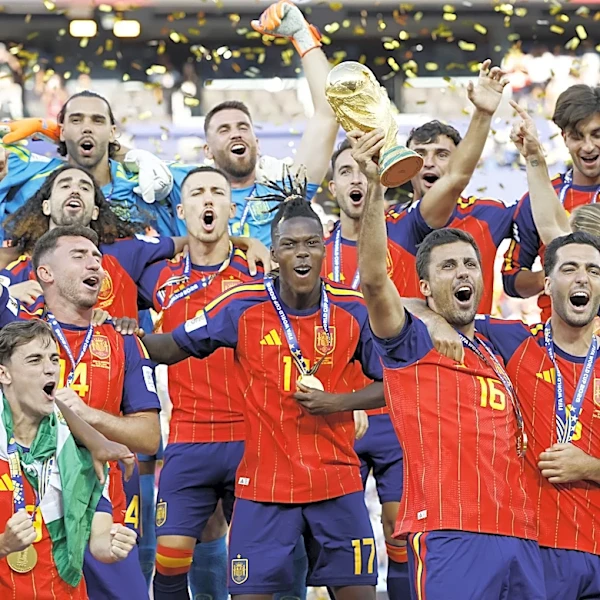
History gives us perfect examples of both outcomes. The 2002 French national team is the ultimate cautionary tale. Arriving in South Korea as reigning world and European champions, they were stunned 1-0 by tournament debutants Senegal in the opener. The loss, compounded by an injury to superstar Zinedine Zidane, sent them into a tailspin. They failed to score a single goal and crashed out in the group stage, the worst-ever title defense by a champion. Conversely, Spain's 2010 World Cup squad provides the counter-narrative. The tournament favorites lost their first match 1-0 to Switzerland, a massive upset. Yet, instead of panicking, they held their nerve. Coach Vicente del Bosque trusted his system and his veteran players. They proceeded to win their next six games, including four straight 1-0 victories in the knockout rounds, on their way to lifting the trophy. More recently, Argentina suffered a shocking 2-1 defeat to Saudi Arabia in their first game of the 2022 World Cup. The loss ended a 36-match unbeaten streak and put them on the brink of elimination. Yet, led by Lionel Messi, they regrouped, made tactical adjustments, and went on to win the entire tournament, becoming only the second team in history to do so after losing their opener.