





It All Started With a Shark
Believe it or not, summer used to be a dumping ground for Hollywood's least promising films. The conventional wisdom was that audiences were outdoors, on vacation, or anywhere but a dark theater. That all changed in June 1975 with Jaws. Due to a famously
troubled production that pushed its release from Christmas to summer, Steven Spielberg's thriller became an unprecedented phenomenon. It was the first film to earn over $100 million at the U.S. box office and essentially invented the summer blockbuster. Instead of a slow, staggered release, Universal Pictures opened it in hundreds of theaters at once, backed by a massive television advertising campaign. The result was a nation queuing up around the block, collectively terrified to go in the water. Hollywood learned a crucial lesson: summer wasn't a dead zone; it was a gold mine waiting to be tapped.
The Perfect Recipe for a Cultural Takeover
The success of Jaws wasn't a fluke; it revealed a perfect formula. With school out and work schedules often lighter, there is simply more leisure time available for millions of Americans. Theaters offer a literal escape from the summer heat, providing a few hours of air-conditioned comfort. This creates a captive and available audience on a scale unseen the rest of the year. More importantly, the films themselves are engineered for mass appeal. Summer blockbusters often rely on high-concept, easily understood premises—heroes saving the world, dinosaurs running amok, epic space battles—that transcend demographics. They are designed to be four-quadrant hits, appealing to young and old, men and women. This broad appeal is the foundation for turning a simple movie into a society-wide event.
The Magic of the Shared Screen
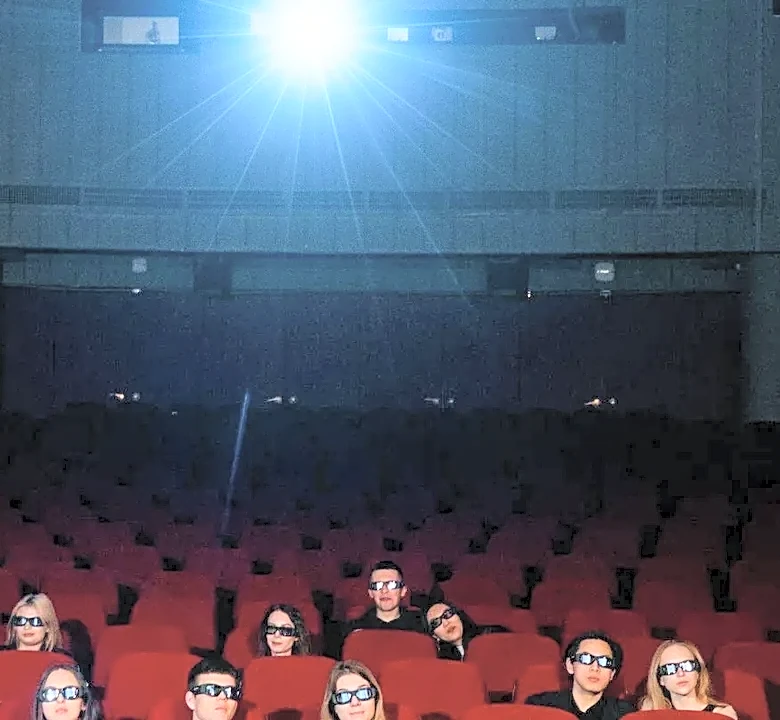
In an era of streaming services and personalized algorithms, the act of watching a movie has become increasingly solitary. Yet the summer blockbuster stubbornly resists this trend. There is a primal power to experiencing a spectacle in a dark room filled with hundreds of other people. The collective gasp during a shocking twist, the shared laughter at a perfectly timed joke, or the eruption of applause when the hero finally triumphs is a powerful bonding experience. It transforms a passive viewing into an active, communal event. This shared experience forges a temporary sense of community among strangers, reminding us of the joy of collective celebration. It’s a feeling that simply cannot be replicated while watching on a laptop at home.
From the Water Cooler to the Timeline
The conversation that once happened around the office water cooler on Monday morning now happens in real-time, on a global scale. Social media has become a massive echo chamber for summer blockbusters, amplifying their cultural footprint exponentially. The weekend box office numbers are breathlessly reported like sports scores. Spoilers become landmines to be avoided, while memes, fan theories, and heated debates about a film's ending dominate platforms like X (formerly Twitter), TikTok, and Reddit for weeks. This digital afterlife keeps the movie at the forefront of the cultural conversation long after the credits roll. A film doesn't just open; it trends. This constant stream of discussion and user-generated content ensures the movie becomes more than just a film—it becomes a pervasive and inescapable cultural landmark.