



The Promise of a Perfect Peel
First, let’s be clear: chemical exfoliation is a fantastic tool. Products with alpha-hydroxy acids (AHAs) like glycolic and lactic acid, or beta-hydroxy acids (BHAs) like salicylic acid, work by dissolving the 'glue' that holds dead skin cells together.
This process helps tackle concerns like rough texture, dullness, and even body breakouts, revealing the fresher, more vibrant skin underneath. It’s no wonder that lotions, serums, and pads designed for the body have become staples in many bathrooms. The typical routine is simple enough: you cleanse in the shower, dry off, and apply your exfoliating product. But the process doesn't end there, and stopping at this point is where many people go wrong.
The Step Your Routine Is Missing
The hidden step isn’t another complicated product or expensive gadget. It’s a change in mindset and a crucial follow-up: immediate and intensive barrier support. Simply exfoliating and then either forgetting to moisturize or applying a basic lotion hours later is a recipe for trouble. Exfoliation, by its very nature, leaves your skin in a vulnerable state. It has just shed its outermost protective layer. The most critical moment in your routine is what you do in the minutes directly following the application of that acid. This is when your skin is most receptive but also most susceptible to irritation and dehydration.
Why Barrier Support Is a Game-Changer
Think of chemical exfoliation as a controlled injury to the skin. You’re purposefully creating a micro-wound to stimulate cell turnover and reveal new skin. The success of this process depends entirely on the healing phase that follows. When you remove the top layer of dead cells, you also compromise the skin's natural moisture barrier—a protective shield of lipids, ceramides, and fatty acids that keeps moisture in and irritants out. Without immediate reinforcement, you can experience transepidermal water loss (TEWL), where moisture evaporates from your skin, leading to dryness, tightness, and inflammation. Paradoxically, this irritation can make your skin look and feel worse than before you exfoliated. By actively supporting the barrier right away, you soothe the freshly exposed skin, lock in hydration, and ensure the new cells are healthy and plump, which is what gives you that smooth, glowing finish.
Your Upgraded Body Exfoliation Routine
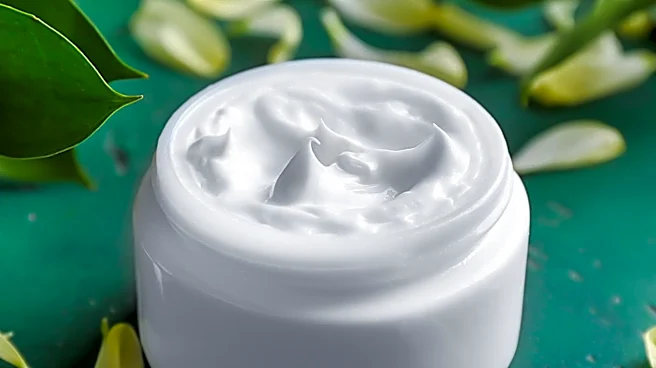
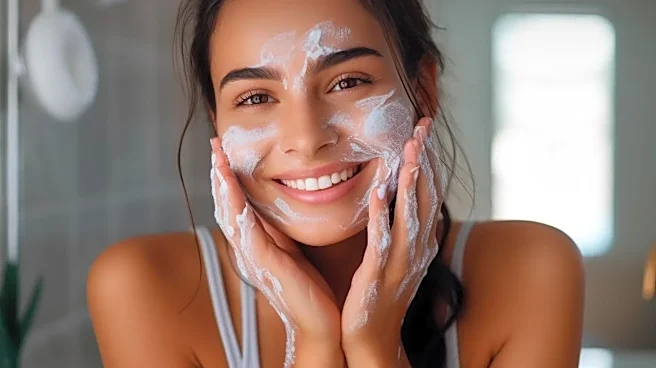
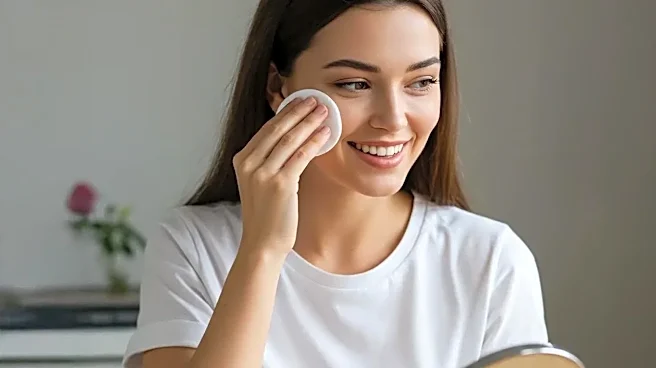
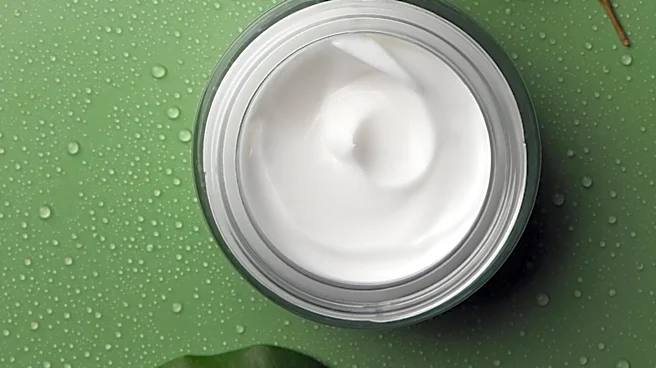
Ready to get the results you've been looking for? Here’s the simple, but effective, four-step process. First, cleanse your skin in the shower and pat it completely dry. Applying acids to damp skin can increase their penetration in an unpredictable way, leading to irritation. Second, apply your chemical exfoliant product as directed. Spread a thin, even layer over the target area. Third, wait. Give the product about 5 to 10 minutes to absorb and do its job without being immediately neutralized or diluted by your next step. Finally, and most importantly, apply a dedicated barrier-supporting moisturizer. Look for products rich in ingredients like ceramides, hyaluronic acid, panthenol (pro-vitamin B5), and niacinamide. These ingredients are specifically chosen to replenish lipids, hydrate deeply, and calm inflammation, effectively rebuilding the protective barrier you just disrupted. Avoid applying other potent actives like retinol on the same night to prevent overwhelming your skin.