




The Stage for Commerce and Conflict
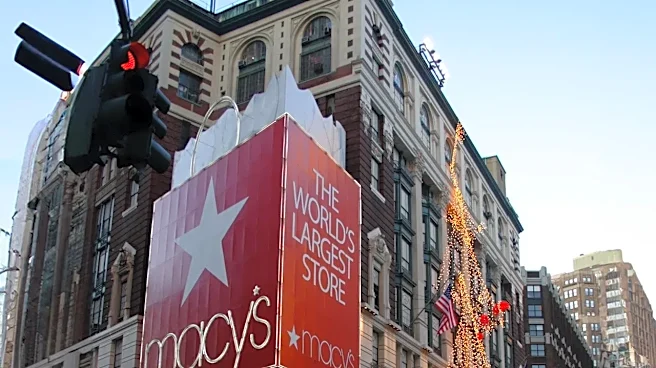
The film positions the store—the real Macy's in the 1947 original—as the heart of American consumer culture. In the post-war boom, department stores were 'palaces of consumption,' urban hubs that defined a city's identity. The film taps directly into
this, opening with the iconic Macy's Thanksgiving Day Parade. From the start, the store represents the commercialization of Christmas that Kris Kringle finds so troubling. He is initially hired to push overstocked toys, a practice he immediately rejects as manipulative. This sets up the movie's central theme: the battle for the soul of Christmas, waged right on the toy department floor. The store isn't just a place of business; it’s a moral battleground where goodwill and profit motives collide.
A Mirror for Doris Walker
No character is more a product of the store than Doris Walker (Maureen O'Hara), the pragmatic and weary events director. As a career-minded single mother in 1947, she embodies professionalism and skepticism. Her job is to manage the business of Christmas, ensuring the parade runs smoothly and sales targets are met. The store is her domain, a world of logic, schedules, and bottom lines. Her journey is one of thawing, as Kris Kringle’s radical sincerity forces her to confront the emotional and fantastical world she has denied herself and her daughter, Susan. Her transformation from a cynic to a believer happens within the context of her workplace, as the 'stunt' Kris pulls proves to be both good for the soul and, unexpectedly, good for business.
Kris Kringle's Benevolent Disruption
For Kris Kringle (Edmund Gwenn), the department store is both a platform and a target. His most revolutionary act is a direct assault on the store's commercial dogma: he sends customers to rival stores like Gimbels if they have a better price or a desired toy in stock. This strategy of 'public service ahead of profits' is initially horrifying to management but quickly becomes a public relations coup. Grateful customers pledge their loyalty to Macy's, now seen as 'the store with a heart.' Ironically, Kris's anti-commercialist stance becomes a brilliant marketing tool, boosting profits more than ever. The film cleverly shows how the system co-opts his sincerity for its own gain, highlighting a central paradox: even genuine goodwill can be commercialized.
From Macy's to Cole's and Beyond
The use of the real Macy's in the 1947 film was a huge risk, as the company didn't grant final approval until after the film was complete. The result was an iconic piece of branding that forever linked Macy's with the magic of Christmas. When the film was remade in 1994, Macy's declined to participate, feeling the original couldn't be improved upon. The fictional 'Cole's' department store was created to take its place. Despite the name change, the location serves the exact same narrative function: a commercial giant whose corporate structure is challenged and ultimately reshaped by a single, earnest individual. It proves that the specific store doesn't matter as much as the idea of the store—a symbol of modern capitalism forced to reckon with old-fashioned faith.