






From Ill-Fitting to Iconic
For decades, draft night fashion was an afterthought. Prospects in the NBA and NFL drafts of the ‘80s and ‘90s often appeared in borrowed or off-the-rack suits that looked more like business-casual mishaps than high fashion. Think baggy trousers, cavernous
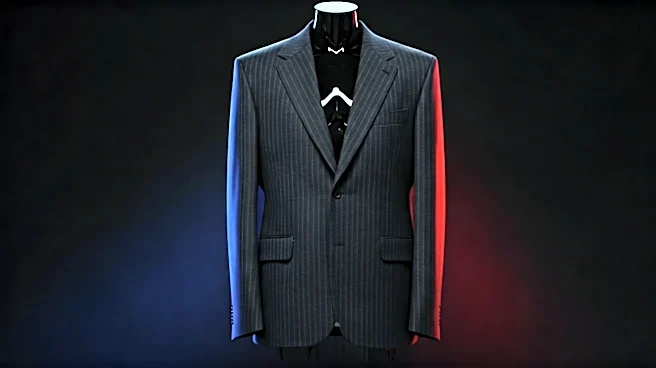
shoulder pads, and questionable color choices. The oversized suits of the early 2000s, while a product of their time, were memorable for all the wrong reasons. Even Jalen Rose's now-iconic, fire-engine-red pinstripe suit from the 1994 NBA Draft was, for years, seen as an outlier—a bold, almost cartoonish choice rather than the start of a trend. The goal then was simply to look presentable for a job interview. Today, the objective is entirely different: to create a viral moment.
The Athlete as an IPO
The transformation of draft-night attire tracks perfectly with the rise of the athlete as a full-fledged business entity. Thanks to social media and the explosion of endorsement culture, a player's brand is no longer built solely on their on-court performance. It begins the second they step into the national spotlight. Draft night is their initial public offering, and the suit is their prospectus. A sharp, bespoke look communicates savvy, ambition, and an understanding of the modern sports landscape. It tells teams, sponsors, and fans: "I'm not just here to play a game; I'm here to build an empire." This isn't just about looking good; it's about signaling readiness for the financial and cultural power that comes with being a professional athlete.
The Power of a Personal Stylist
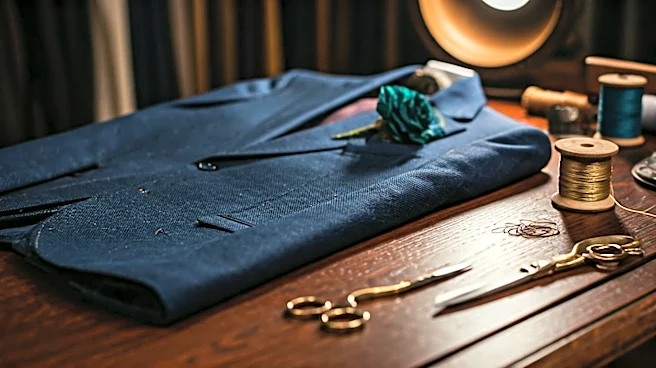
This sartorial arms race didn't happen by accident. It’s fueled by a growing cottage industry of stylists and custom tailors who specialize in dressing elite athletes. Designers like Waraire Boswell, Jhoanna Alba, and Richfresh have become the secret weapons for top prospects. They work with players for months leading up to the draft, not just sewing fabric but weaving a narrative. These stylists help athletes translate their personality, history, and aspirations into a single outfit. Is the player a quiet leader? A bold innovator? A hometown hero? The cut, color, fabric, and details are all meticulously chosen to project a specific image, turning the pre-draft fitting into a crucial strategy session.
A Canvas for Personal Stories
The most memorable draft-night suits are those that transcend fashion to become biographical statements. In 2023, NFL prospect Zay Flowers honored his late grandfather by having his picture sewn into the lining of his suit jacket—a touching, private tribute made public. NBA No. 1 pick Paolo Banchero arrived at the 2022 draft in a dazzling purple suit studded with thousands of rhinestones, a nod to his flashy style of play and his comfort in the spotlight. A year later, Victor Wembanyama, the most hyped prospect in a generation, chose a striking dark green suit, a color that represented a fresh start and a connection to something new. These outfits are no longer just clothes; they are wearable press releases, packed with symbolism and personal meaning that a post-game interview could never fully capture.
The New Definition of Status
Ultimately, the custom suit has become the new menswear status symbol for one key reason: it demonstrates intent. A luxury watch or an expensive car signals wealth, but a perfectly tailored, story-rich suit signals foresight. It shows an athlete is already thinking like a CEO. It’s a sophisticated flex, indicating not just access to money, but access to the right people and the right ideas. In an era where an athlete's career can be defined as much by their off-court moves as their on-court stats, the draft-night suit is the ultimate power play—a declaration that they’ve arrived prepared for every aspect of the game.