




The First, Best Impression
Filmmakers spend years, and often millions of dollars, obsessing over the precise shade of a sunset or the subtle mix of a whispering voice. They are crafting a sensory experience. Telluride is famous for honoring that obsession. The festival's programmers
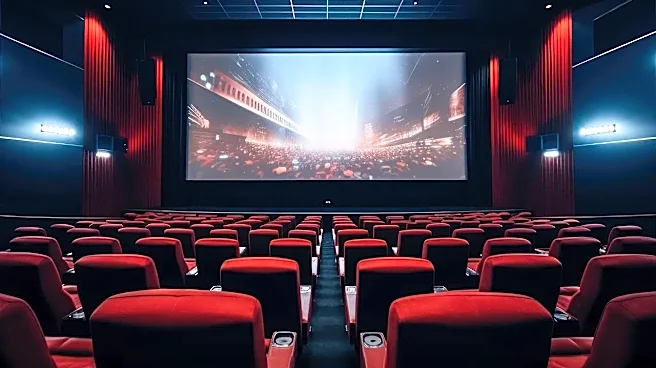
and technical staff go to great lengths to ensure that every screening is flawless, with state-of-the-art sound and projection, even in venues that might be school gyms or converted opera houses for the other 51 weeks of the year. For many films making their world premiere, the Telluride screening is the first time they are shown to the world—to critics, to audiences, and to the industry voters who will decide their fate. A dim bulb, a muddy sound mix, or a misaligned projection can kill a movie's buzz before it even starts. A perfect presentation, however, allows the director's vision to land with maximum impact, creating the best possible first impression for a film beginning its long journey.
The Launchpad for Oscar Buzz
Telluride has a well-earned reputation as a powerful launchpad for the awards season. Year after year, films that premiere in the thin mountain air go on to become major Oscar contenders, with past attendees including future Best Picture winners like "Moonlight" and "Slumdog Millionaire". This isn't an accident. The festival’s intimate, cinephile-focused atmosphere creates an intense bubble of excitement. A stunning presentation elevates this experience. When an audience is completely captivated, with no technical glitches to break the spell, the emotional response is purer and more powerful. That collective gasp, laugh, or sob ripples out of the theater and, thanks to social media and industry chatter, across the globe. A flawless premiere at Telluride doesn't just present a film; it anoints it, generating the critical momentum needed to survive the competitive fall festival circuit and campaign season.
An Immigrant to Cinema's Church
Attending Telluride is often described as a pilgrimage for film lovers. Part of its unique appeal is the stark contrast between its rugged, rustic setting and its sophisticated, world-class programming. You can spend the morning hiking in the San Juan Mountains and the afternoon watching a masterpiece in a perfectly calibrated theater. This commitment to quality creates an environment of reverence. In a world of endless distractions, where movies are often consumed on phones and laptops with tinny audio, Telluride offers a sanctuary. The unspoken rule is that for two hours, the film is everything. The festival’s insistence on pristine presentation is a core part of this contract with the audience. It signals that this is a place where movies are taken seriously, where the art form is celebrated in its ideal state. This atmosphere of focused, communal viewing is increasingly rare and, for those who love cinema, deeply restorative.
More Than Just a Technicality
Ultimately, the focus on presentation quality isn't just about technical specifications. It’s about preserving the magic of cinema. Every filmmaker from Martin Scorsese to Christopher Nolan has spoken about the importance of theatrical presentation, arguing that audiences deserve to see a film as its creators intended. Substandard projection robs a film of its power. Telluride stands as a bulwark against this compromise. By ensuring every film is shown at its absolute best, the festival reinforces a crucial idea: that the way we see a film is inseparable from what we see. The quality of the image and sound isn't an add-on; it's fundamental to the emotional and narrative experience. It’s the difference between merely watching a story and being completely immersed within it. Telluride’s dedication is a testament to the belief that some experiences are worth preserving in their purest form.