





The Perfectly Soft Suit Shoulder
A machine can sew a suit seam that is perfectly uniform and strong, but it can’t replicate the nuance a master tailor brings to the garment. Take the iconic Neapolitan jacket, known for its soft, unstructured shoulder that drapes naturally. This isn't
achieved with stiff padding but through skill, where a tailor hand-stitches the armhole with a specific tension that allows for greater mobility and comfort. The result is a sleeve that moves with you, not against you. A machine creates rigid perfection; an artisan creates a second skin that adapts to your body over time, making the suit feel less like a uniform and more like an extension of yourself. This dedication to a natural fit and understated elegance is a hallmark of Italian sartorial tradition.
Leather Goods That Feel Like an Extension of You
Nowhere is the hand-versus-machine debate more apparent than in Italian leatherwork. High-quality Italian leather goods often feature hand-stitched construction, particularly the durable saddle stitch. This technique, using two needles to create interlocking threads, is significantly stronger than a machine's lockstitch. If one thread in a saddle stitch breaks, the rest of the seam holds firm; if a machine stitch unravels, it can cause a chain reaction. This method is slow and painstaking—some Italian brands spend over 30 hours on a single handbag—but it's what gives heirloom pieces their longevity. It's also why hand-stitched leather bags and shoes have a distinct, slightly imperfect character that shows they were made by a person, not just a process.
Buttonholes That Signal True Craftsmanship
It might seem like a tiny detail, but to those in the know, a buttonhole tells a story. A machine-stitched buttonhole is flat and perfectly uniform, produced in seconds. A hand-sewn buttonhole, a signature of bespoke tailoring, is a small work of art. A tailor carefully cuts the hole and wraps it with silk thread, creating a raised, slightly irregular edge that has more flexibility and three-dimensional appeal. On a bespoke suit, you can spot these on the lapel or the sleeve cuffs. It's a subtle mark of quality that takes immense skill and time, signaling that the garment was made with a level of attention that prioritizes artistry over efficiency.
Intricate Embellishments and Weaves
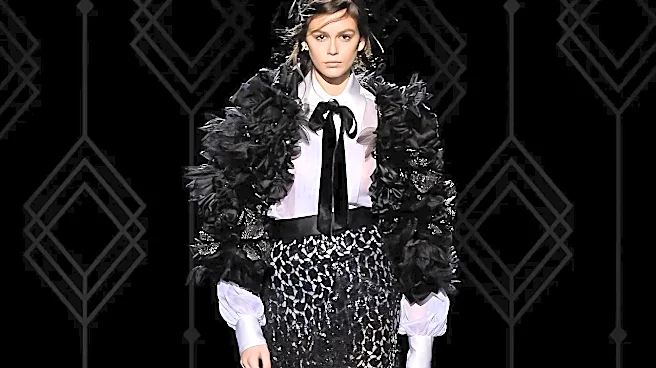
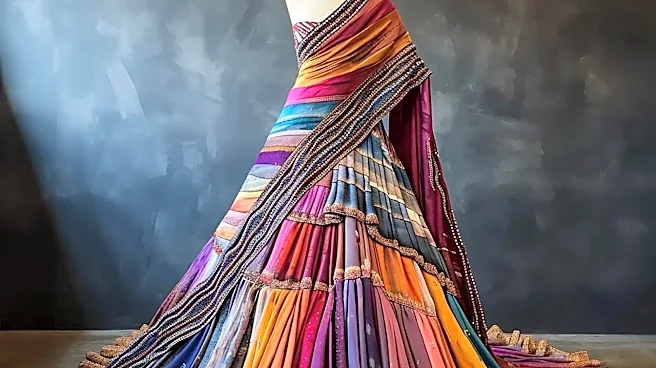
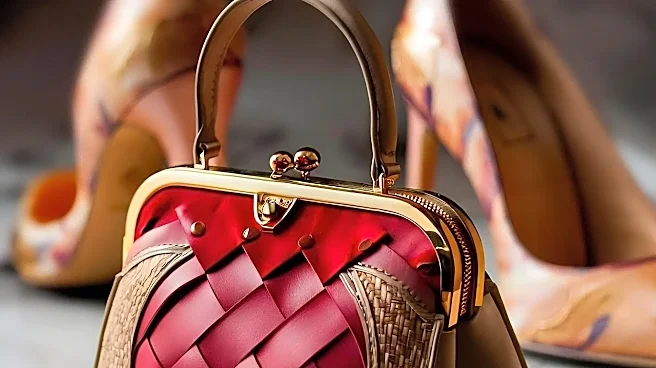
Certain techniques are simply too complex or delicate for automated production. Think of the intricate 'intrecciato' leather weaving synonymous with certain Italian luxury houses, or the delicate hand-embroidery seen on haute couture gowns from designers like Valentino. These processes require a human's ability to adjust tension, place beads with precision, or create patterns that flow with the fabric. A machine can follow a program, but it can't feel the material or make the minute aesthetic judgments an artisan does. This is why hand-weaving, embroidery, and lacework remain pillars of Italian high fashion, preserving skills passed down through generations.
The Finishing Touches You Can Feel
Often, the true luxury of a handmade Italian garment lies in the finishing touches. Consider the hand-rolled hem on a fine silk scarf, which creates a delicate, plump edge that drapes more beautifully than a flat, machine-stitched one. Or the process of hand-lasting a shoe, where a craftsman meticulously shapes the leather over a form to create a perfect, custom-like fit. These final steps, though time-consuming, are not just for show; they directly impact the quality, durability, and feel of the finished product. They are a testament to a philosophy that values integrity and longevity over mass production.