

A bodysuit is the ultimate blank canvas. But look closer, and you’ll see that the seams are doing more than just holding it together. They are deliberate lines that sculpt, define, and tell a story, turning fabric into a narrative.
More Than a Stitch: Seams as Storytelling
In fashion, a seam is
the line where two pieces of fabric meet. Functionally, it's the skeleton of a garment. Aesthetically, however, it’s a line that draws the eye, creates shape, and carves form out of flat fabric. When designers manipulate these lines on a form-fitting garment like a bodysuit, they're essentially drawing on the human body. This is where clothing moves beyond simple apparel and into the realm of character design. Just as an illustrator uses lines to define a character's silhouette and personality, a fashion designer can use seams to evoke a specific archetype, be it a powerful hero, a futuristic android, or an agile spy. These lines guide our perception, suggesting strength, technology, or fluidity before we even process the garment as a whole.
The Heroic Contour: Sculpting the Superhero
One of the most recognizable uses of character-driven seams comes from superhero comics and films. Designers often use seams to mimic or exaggerate musculature. Think of V-shaped lines that broaden the shoulders and chest, or curved seams that wrap around the torso and thighs to suggest an idealized, athletic form. These aren't random; they're strategically placed to create a visual language of power and action. By breaking up the single plane of the bodysuit with panels that follow anatomical lines, the garment gives the illusion of armor or a second skin imbued with superhuman strength. The shoulder seam might be moved back to create a more powerful posture, a technique borrowed from historical costume design. This method turns the wearer into a symbol, instantly communicating a 'Hero' archetype.
The Sci-Fi Circuit: Crafting the Cyborg
When seams become sharp, asymmetrical, and seemingly random, they create a different kind of character. This is the language of science fiction, where seams evoke the complex wiring of a circuit board or the paneled plating of a starship's hull. Instead of following the body's natural curves, these lines cut across them, suggesting something engineered and artificial. You might see a seam that runs from the shoulder straight down to the opposite hip, or a cluster of geometric panels on the torso. These designs break the organic symmetry of the body and suggest a fusion of human and machine. It's a visual shorthand for 'futuristic,' turning a simple bodysuit into the uniform for a cyberpunk protagonist or an interstellar explorer.
The Utilitarian Panel: The Tactical Operator
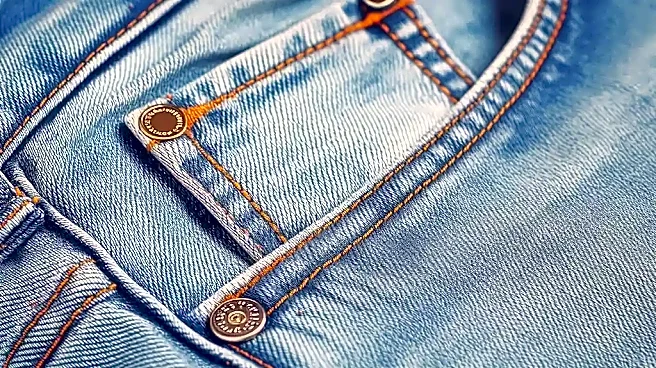
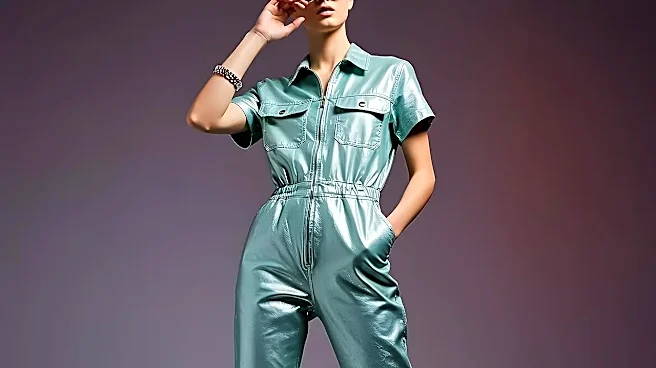
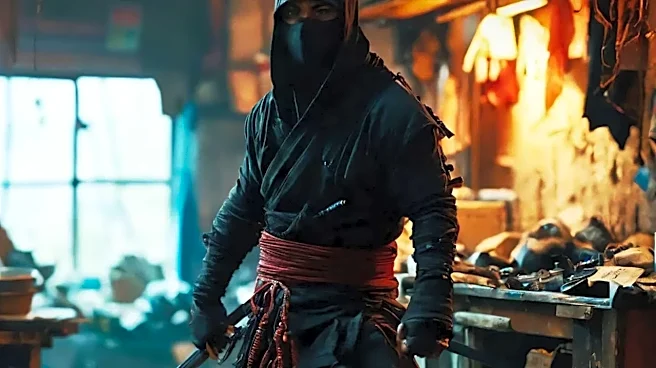
Not all character design is fantastical. Seam placement can also ground a bodysuit in a world of practical, tactical function. Think of designs inspired by workwear or military gear. Here, seams are often straight and boxy, creating rectangular panels that suggest reinforced areas or the placement of unseen pockets and equipment. Flat-felled seams, the durable type commonly found on jeans, might be used to add a sense of ruggedness and longevity. This style communicates readiness and capability. The character is an adventurer, a soldier, or a survivor—someone whose clothing is a tool. The seams aren't just there to fit the body; they imply a purpose, a history of use, and a readiness for action.