


Fearless: The Fairytale Princess
The 'Fearless' era cemented Swift's image as a country-pop princess. This period was all about romantic, fairytale-inspired looks. Key elements included sparkly, fringed dresses in gold and silver, perfect for spinning on stage, and the ever-present cowboy
boots that grounded her in her country roots. The aesthetic was youthful and aspirational, mirroring the album's themes of epic high school love stories and dreaming big. Outfits often felt like modern-day ballgowns, creating a sense of accessible fantasy for her growing fanbase.
Red: The Hipster-Heartbreak Uniform
Transitioning from country princess to full-blown pop contender, the 'Red' era introduced a more defined, mature, and slightly hipster-influenced uniform. The most non-negotiable element was her signature red lipstick. This was paired with a wardrobe of high-waisted shorts, striped shirts, vintage-inspired Keds, and the iconic black fedora from her "22" music video. The style was less about fairytale sparkle and more about a quirky, relatable, retro-tinged look that reflected the album's mix of pop anthems and raw, emotional ballads.
1989: Polished Pop Perfection
With '1989', Swift completed her pivot to pure pop, and her fashion followed suit. The aesthetic was sleek, urban, and polished, reflecting her move to New York City. This era was dominated by matching two-piece sets, including crop tops and high-waisted skater skirts. Sequined bomber jackets became a tour staple, adding a touch of sporty glam. The color palette was often bright and optimistic, heavy on baby blues and shimmering metallics, capturing the synth-pop energy and newfound confidence of the album.
Reputation: The Villain Arc in Black and Snakeskin
After a public feud and retreat from the spotlight, Swift returned with 'Reputation', an era defined by darkness, defiance, and drama. The fashion was a complete rejection of her previous styles. The color palette was almost exclusively black, accented with dark greens and reds. Snakes became the central motif, appearing on everything from rings to massive stage props, reclaiming a symbol used against her. Outfits consisted of black sequined bodysuits, leather, oversized hoodies, and thigh-high boots, creating a powerful, edgy, and armored-up look.
Lover: A Rainbow Explosion
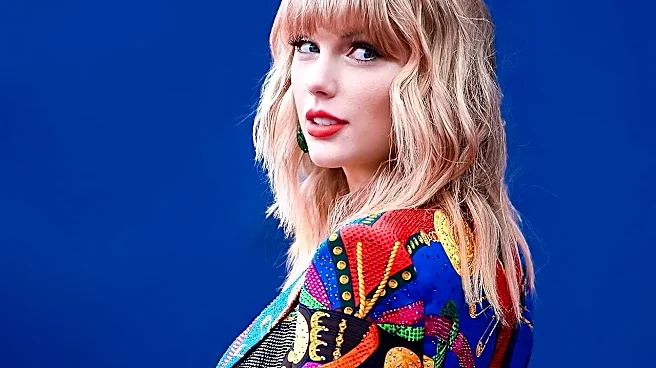
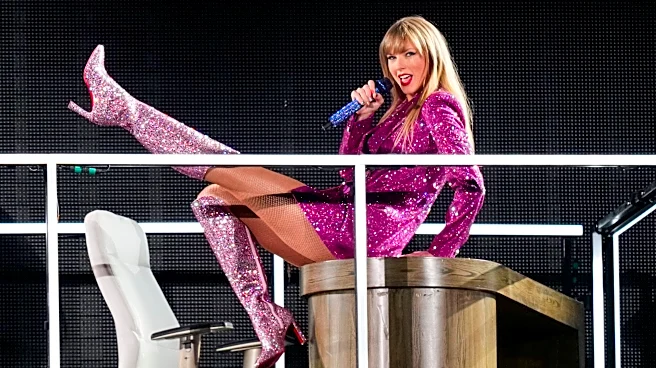
Emerging from the darkness of 'Reputation', the 'Lover' era was a vibrant, pastel-hued celebration of love and light. The aesthetic was a complete 180-degree turn, embracing all things whimsical and romantic. Tie-dye, butterfly motifs, and a spectrum of candy-colored pastels dominated her wardrobe. Outfits were fun and feminine, featuring showgirl sequins, heart-shaped details, and sparkly bodysuits. The entire visual language was designed to be dreamy, optimistic, and unapologetically joyful.
Folklore & Evermore: The Cottagecore Escape
Released as surprise albums during the pandemic, 'Folklore' and its sister record 'Evermore' saw Swift retreat into a rustic, indie-folk-inspired world. This ushered in the "cottagecore" aesthetic, characterized by cozy, comfortable, and nature-centric clothing. The key piece was the cable-knit cardigan, which became instant iconic merch. The look was completed with flowy prairie dresses, vintage-inspired lace, and earthy plaid coats, creating a style that was intimate, literary, and perfectly suited to the albums' introspective storytelling.
The Tortured Poets Department: Literary Melancholy
For her latest chapter, 'The Tortured Poets Department', Swift has adopted a stark, literary aesthetic that feels both modern and historical. The color palette is almost entirely monochrome, focusing on black, white, and sepia tones. The style incorporates elements of Victorian mourning dress, with corseted gowns and ruffled poet blouses, alongside a more contemporary 'dark academia' look featuring preppy skirts and chunky loafers. It's a visual world built on vulnerability, melodrama, and the image of a tormented writer, turning internal feelings into an external uniform.