






A Party with a Purpose Is Born
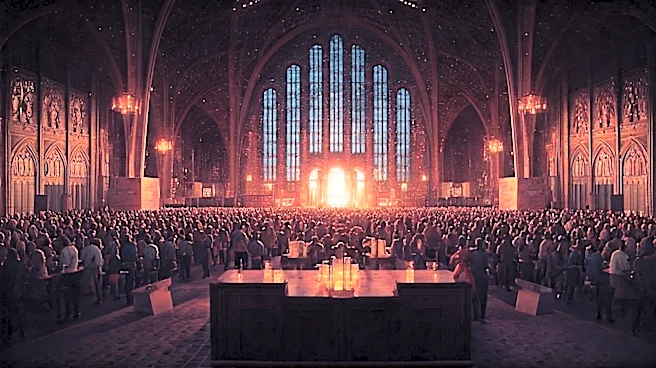
In 1995, the minds behind Essence magazine, a pillar of Black media, wanted to celebrate the publication's 25th anniversary. The idea was a one-time event: a concert series in New Orleans dubbed “The Party with a Purpose.” The goal was to bring the magazine's
mission of uplifting Black women and culture to life. The inaugural lineup featured a staggering collection of talent, including icons like Patti LaBelle, Gladys Knight, and Luther Vandross, alongside thought leaders such as Maxine Waters. It was designed to be a singular celebration, not the beginning of an annual tradition. However, the response was so overwhelming that its founders realized they had tapped into something much bigger than a simple anniversary party.
From One-Time Event to Cultural Staple
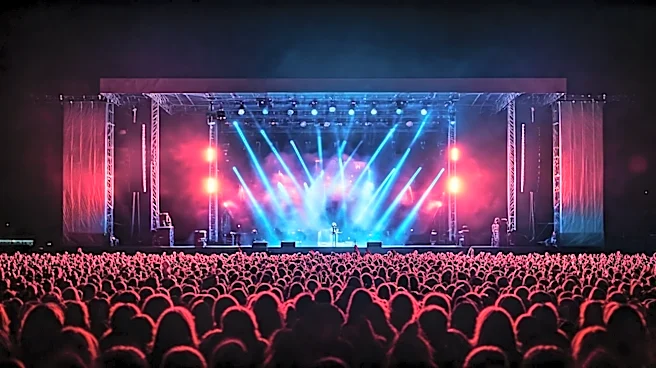
The festival's immediate success ensured its return. By its second year, it was clear that Essence had created a unique space for the Black community to gather, celebrate, and connect. Held annually over the Fourth of July weekend in New Orleans, it evolved from just a series of concerts into a multifaceted cultural event. The daytime programming became just as crucial as the nighttime performances, featuring empowering seminars, author talks, and community dialogues on everything from politics to personal finance. This dual focus on entertainment and empowerment became its signature, setting it apart from other music festivals and cementing its role as a vital cultural institution. It became the largest event celebrating African American culture in the United States, a de facto family reunion for hundreds of thousands.
The Winding Path of Ownership
The journey of Essence, both the magazine and the festival, is also a story about the complexities of ownership. Essence Communications was founded by Black entrepreneurs in 1968. However, in 2000, Time Inc. acquired a 49% stake, purchasing the remaining 51% in 2005. This shift to non-Black ownership sparked concern within the community, raising questions about authenticity and control over a brand built specifically for Black women. The concerns were not unfounded, as the period saw controversial editorial decisions. The narrative shifted dramatically in 2018 when Richelieu Dennis, the Black entrepreneur who founded SheaMoisture, acquired Essence through his company Essence Ventures LLC. The move was hailed as a return of a vital cultural platform to Black ownership, with Dennis explicitly stating the goal was to return the brand to the community it serves.
A Blueprint for the Future?
The story of Essence Festival provides a compelling model for cultural ownership. The blueprint involves creating an experience that is authentically by and for a specific community, combining commerce with genuine connection. It demonstrates the power of building a loyal audience over decades and then serving them holistically—not just with entertainment, but with resources, information, and a sense of shared identity. The festival's model proves that an event can scale into a global phenomenon with corporate partners while striving to keep its soul, reinvesting in the community it represents. However, the path isn't without challenges. In recent years, debates have emerged about the festival's production partners and whether its corporate growth and a more pan-African focus risk diluting its original connection to Black American culture, proving that maintaining cultural authenticity is an ongoing process.