






The Unseen Orchestra Pit
Before a single note is played at the Austin City Limits Music Festival, a different kind of performance has been underway for weeks. It’s the behind-the-scenes world of backline logistics, a term most festival-goers have never heard but whose results
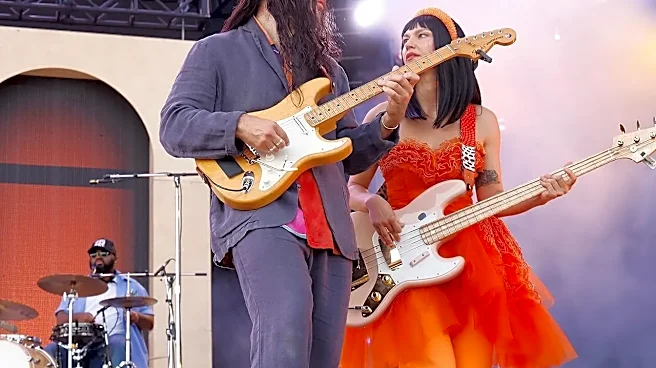
they experience with every guitar solo and drum beat. So, what is backline? In simple terms, it’s the gear you see behind the musicians: the guitar and bass amplifiers, speaker cabinets, drum kits, keyboards, and all the related accessories. For a massive event like ACL, which hosts hundreds of bands across multiple stages, providing this equipment isn't just a matter of convenience; it’s a necessity. Most touring artists, especially those flying in, cannot bring their entire arsenal of heavy, sensitive gear with them. Instead, the festival, through specialized backline rental companies, provides it. This shared system is the backbone of the festival's tight schedule, allowing for rapid transitions between acts.
From Rider to Reality
The entire process begins with a document that is part instruction manual, part sacred text: the technical rider. Months before the festival, each band submits a detailed rider that outlines every piece of equipment they need to perform. This isn't a wish list; it’s a precise specification, from a 1965 Fender Twin Reverb amplifier to a specific model of DW kick drum pedal. The production team's job is to collect these dozens, sometimes hundreds, of documents and translate them into a master plan. They analyze the riders to determine which stage is best suited for each artist and what gear needs to be sourced. It's a colossal game of Tetris, matching artist needs with available inventory and stage capabilities. This meticulous planning is crucial because any error—a wrong amp model or a missing keyboard stand—can derail a performance. The goal is to ensure that when an artist walks on stage, their setup is exactly as they specified, allowing them to perform at their best.
The Fifteen-Minute Miracle
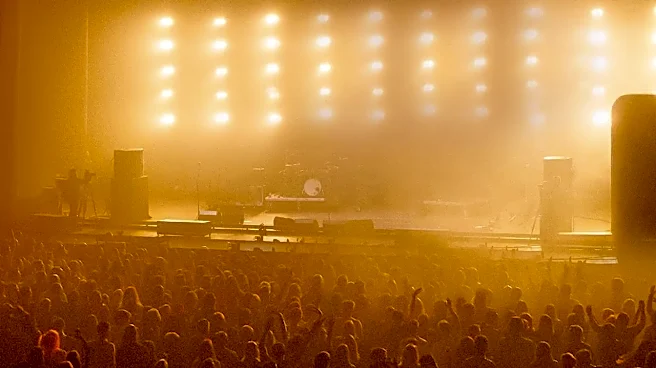
Nowhere is the pressure higher than during the changeover—the frantic, hyper-choreographed window between sets. At a major festival, this can be as short as 15 to 20 minutes. To the audience, it’s a brief pause filled with a house playlist. Backstage, it's a sprint. A team of backline technicians swarms the stage the second the previous band unplugs. Their movements are precise and practiced, like a pit crew in a Formula 1 race. One crew strikes the previous band's gear, carefully disconnecting and rolling it off, while another team simultaneously wheels on the next act's setup, often pre-assembled on rolling platforms called risers. Every cable, microphone, and pedal has a predetermined place. The technicians work with practiced speed to position everything according to the stage plot, tune instruments, and perform a quick line check to ensure every channel is working before the band walks out to a cheering crowd. It’s an act of organized chaos that must look seamless from the other side of the barrier.
The Gear Saviors
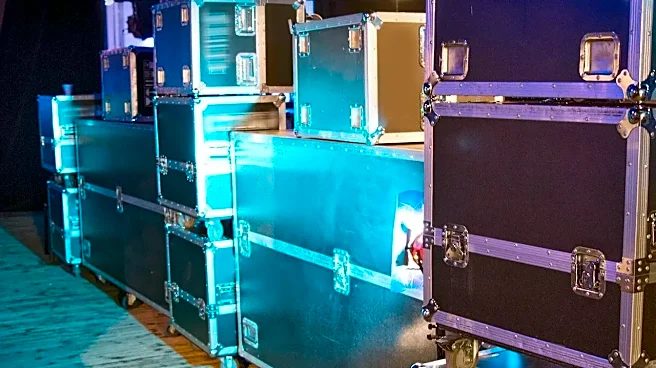
The people at the heart of this operation are the backline technicians. They are the unsung heroes of the live music world, a unique blend of roadie, problem-solver, and instrument expert. These professionals are responsible for setting up, maintaining, and troubleshooting all the gear. Their job requires an encyclopedic knowledge of musical equipment, from the vintage tube amps preferred by blues guitarists to the complex digital keyboard rigs of electronic acts. Throughout the day, they are on high alert, ready to tackle any issue that arises—a blown amplifier tube, a faulty cable, or a last-minute request from a headliner. Their ability to solve problems discreetly and under extreme pressure is what keeps the show running smoothly. They are often the first to arrive and the last to leave, ensuring every piece of equipment is protected from the elements and securely stored overnight.