





The Anatomy of a Perfect Reveal
In the crowded landscape of television mysteries, sticking the landing on a killer reveal is harder than ever. Audiences are savvy; they’ve seen every trick, from the surprise twin to the narrator-was-the-killer-all-along. They spend weeks dissecting
clues and sharing theories online. So how does a show built on classic tropes still manage to make its big moments feel so shocking and satisfying? For “Only Murders in the Building,” the answer lies not in outsmarting the audience with impossible-to-guess culprits, but in grounding every twist in genuine human emotion. The show understands that a reveal isn't just information—it's a dramatic event. And the best way to sell that drama is by focusing on the faces of the people we’ve come to love. The show’s editors and directors consistently make the choice to prioritize the reactions of the main trio and their extended Arconia family, turning a simple plot point into a masterclass in character-driven storytelling.
A Symphony of Shock and Betrayal
Take any major reveal from the show’s history, whether it’s the unmasking of a poisoner, a back-stabbing podcaster, or a surprisingly menacing bassoonist. The moment the killer’s identity clicks into place is almost always shown through the lens of its three protagonists. We see the truth dawn not through a villain's monologue, but in the flicker of comprehension on Mabel’s (Selena Gomez) face, the theatrical gasp from Oliver (Martin Short), and the quiet, wounded disbelief of Charles (Steve Martin). Their reactions are our reactions. The camera holds on them, letting the weight of the betrayal sink in. It’s a technique borrowed from classic cinema, particularly the works of Alfred Hitchcock, an acknowledged influence on the series. By prioritizing the experience of being told the secret over the secret itself, the show makes us active participants in the discovery. We’re not just watching a puzzle get solved; we're in the room as our friends find out they’ve been living next door to a monster.
The Arconia as a Greek Chorus
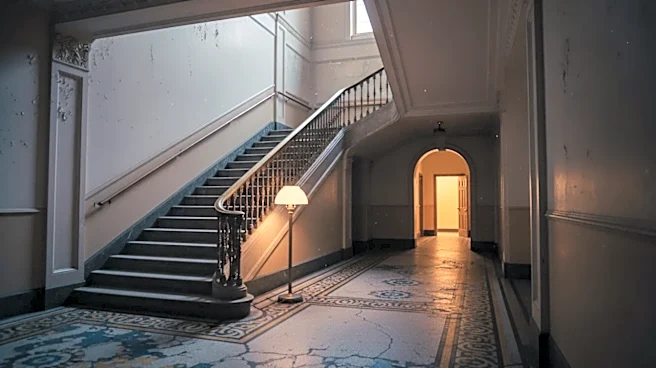
This technique extends beyond the core trio. The rich ensemble cast of the Arconia serves as a veritable Greek chorus for every major development. The residents’ gossip, side-eyes, and collective shock amplify the stakes of each murder. When a killer is revealed, it's not just a blow to Charles, Oliver, and Mabel—it’s a disruption to the entire building's quirky ecosystem. Characters like the perpetually stressed Howard (Michael Cyril Creighton) or the intimidatingly blunt Uma (Jackie Hoffman) provide a barometer for the community's state of mind. Their reactions—often a mix of fear, morbid curiosity, and concern for property values—add layers of comedy and realism. The show’s production design contributes to this, creating spaces that feel both authentic and fantastic, making the characters' homes a true reflection of their personalities. When the killer is finally cornered, the scene is often packed with these supporting players, their collective presence underscoring the idea that this isn't just a crime, but a violation of their shared home and found family.
More Than Just a Whodunnit
Ultimately, this directorial and editorial choice is what elevates “Only Murders in the Building” from a clever mystery to a truly special show. It reinforces the central theme: the series is about lonely people finding connection. The murders are merely the catalyst that brings them together. By consistently framing the biggest plot twists through the characters' relationships, the showrunners remind us what’s really at stake. It’s not just about closing a case, but about protecting the fragile community they’ve built inside the Arconia’s walls. The gasp of betrayal isn’t just about a mystery being solved; it’s about the pain of a trusted neighbor, friend, or lover being revealed as the enemy. This focus on ensemble reaction is the show's signature move, proving that the most powerful revelations are the ones we see reflected in the eyes of the people we care about.