





The Comfort of the Default Hoodie
Let’s be honest: the hoodie is a marvel of modern apparel. It’s comfortable, practical, and requires zero thought. It’s a personal cocoon, a shield against a chilly breeze or an unwanted social interaction. From college campuses to Silicon Valley, the hoodie has
become the unofficial uniform of American casualness. Its dominance is understandable. It signals relaxation and ease. It’s the sartorial equivalent of hitting the snooze button—familiar, easy, and effective at what it does. But its greatest strength is also its biggest weakness: it’s a default, not a decision. It’s often chosen out of habit, not for its ability to elevate a look or adapt to a situation. It’s a one-note garment in a world that offers a full symphony.
Florence, Sprezzatura, and Smart Fabrics
Meanwhile, in Florence, the peacocks of Pitti Uomo are proving you don’t have to sacrifice comfort for style, even under the Tuscan sun. The aesthetic isn’t about heavy, restrictive suits. It’s about the Italian concept of “sprezzatura”—a studied nonchalance that makes effort look effortless. The key is fabric. We’re talking about unstructured blazers made from breathable linen, trousers cut from breezy cotton-seersucker blends, and shirts woven from airy poplin. These aren't the stuffy, sweat-inducing clothes of a corporate boardroom. They’re engineered for comfort in the heat. The style on display at Pitti is a masterclass in looking sharp while staying cool, proving that tailored clothing doesn’t have to mean uncomfortable clothing.
Layering for Intentionality, Not Just Warmth
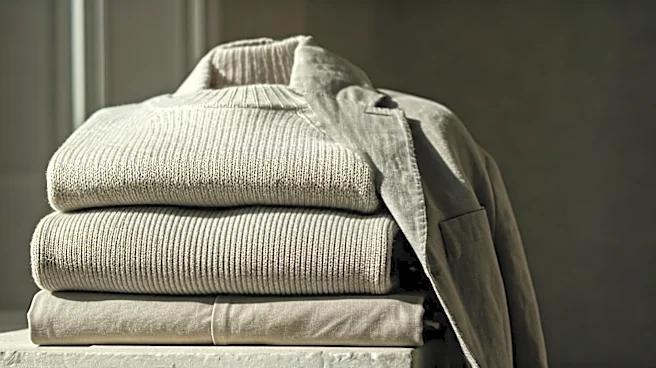
This is where the argument truly crystallizes. In America, we layer for one reason: warmth. When it gets cold, you put on a hoodie. When it gets warm, you take it off. At Pitti, layering is a tool for visual interest and versatility. A lightweight, unlined sport coat over a polo shirt isn’t just for a chilly evening; it adds structure and a focal point to an otherwise simple outfit. It’s a layer you can wear inside a hyper-air-conditioned restaurant or museum. A fine-gauge knit draped over the shoulders or a silk-blend scarf isn’t just an accessory; it’s a splash of color and texture that can be added or removed as the day unfolds. Unlike a bulky hoodie, these pieces are designed to be part of a dynamic system. They allow you to adapt your look to your environment with intention, rather than just reacting to the temperature.
From Passive Comfort to Active Style
Ultimately, the difference between hoodie culture and the Pitti Uomo ethos is about mindset. The hoodie represents passive comfort. You put it on and retreat. It’s about blending in, staying comfortable, and keeping things simple. There’s a time and a place for that. The Pitti approach, however, is about active style. It’s about using clothing as a form of expression and a tool for navigating your day. Choosing a linen blazer over a sweatshirt is a conscious decision to engage with your appearance and your surroundings. It says you’re present and you’ve put thought into how you present yourself. It’s not about being ostentatious; it’s about being intentional. This shift transforms dressing from a mundane chore into a creative act, one that pays dividends in confidence and versatility.