


You're Dressing for the Gown, Not the Party
The single biggest mistake graduates make is forgetting their outfit will spend hours hidden beneath a heavy, often dark, and voluminous academic gown. That killer dress with the puffy sleeves or intricate back detail? It will likely create awkward lumps
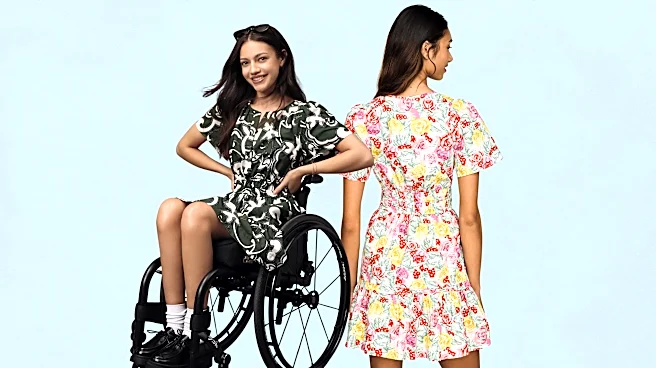
and bumps under the robe. The goal is to find an outfit that complements the gown, not one that fights it. Focus on clean silhouettes like A-line or sheath dresses, or tailored slacks and a crisp shirt. These styles sit smoothly and won't bunch up after you’ve been sitting for an hour. The fabric is also crucial. Lightweight, breathable materials like cotton, linen blends, or chiffon will keep you from overheating in a crowded auditorium or under the sun. Heavy polyesters or brocades, on the other hand, can trap heat and feel uncomfortable during a long ceremony.
The Dress Code Isn't Always Clear
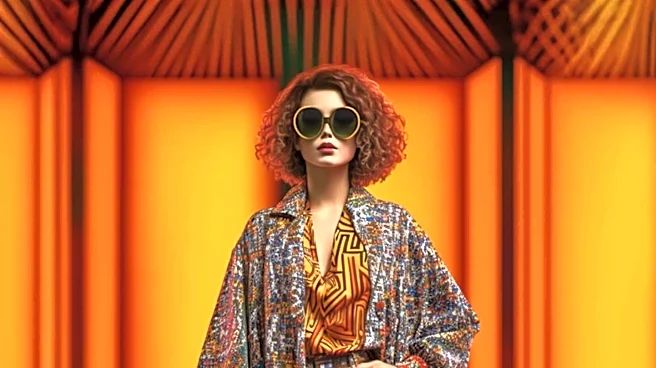
Most universities suggest a “semi-formal” or “business casual” dress code, but what that means can feel vague. It generally rules out jeans, shorts, T-shirts, and anything too revealing, like club-style mini dresses. The real trip-up is navigating the unwritten rules. While there's rarely a strict document, the expectation is an outfit that looks respectful and polished. A good rule of thumb is to aim for something appropriate for a nice office setting, but with a bit more personality. Solid colors or subtle prints tend to photograph better and create a more timeless look. White, cream, and pastels are classic choices that look great against dark gowns.
It's a Marathon, Not a Sprint
Graduation day is long. It involves walking across campus, standing in lines, climbing stairs to the stage, and sitting through hours of speeches before the celebrations even begin. An outfit that only feels good for five minutes in front of a mirror will become a distraction. Comfort is not a bonus; it’s essential. Prioritize fabrics with a little stretch and a fit that allows for easy movement. If you're constantly tugging at a hemline or readjusting a tight waistband, you won't be able to fully enjoy your own achievement. Think about the entire day, from morning photos to an evening dinner with family. You need an ensemble that can seamlessly transition between events without requiring a complete change.
The Footwear Fallacy
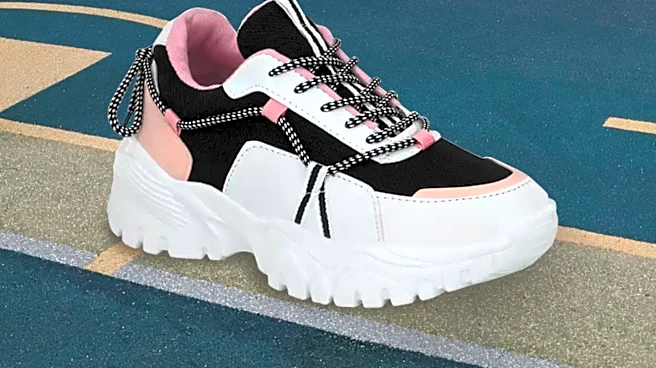
Shoes are arguably the most critical part of the graduation outfit and the number one source of regret. That triumphant walk across the stage can quickly turn treacherous in the wrong footwear. Stiletto heels are a notorious hazard, especially for outdoor ceremonies where they can sink into the grass. Even indoors, brand-new, unbroken-in shoes can lead to blisters and discomfort long before you receive your diploma. The safest and most stylish options are block heels, wedges, or elegant flats. These provide stability for walking on uneven surfaces and comfort for a long day on your feet. Mules and loafers are also great choices that balance style with practicality.
Forgetting the Details Under the Gown
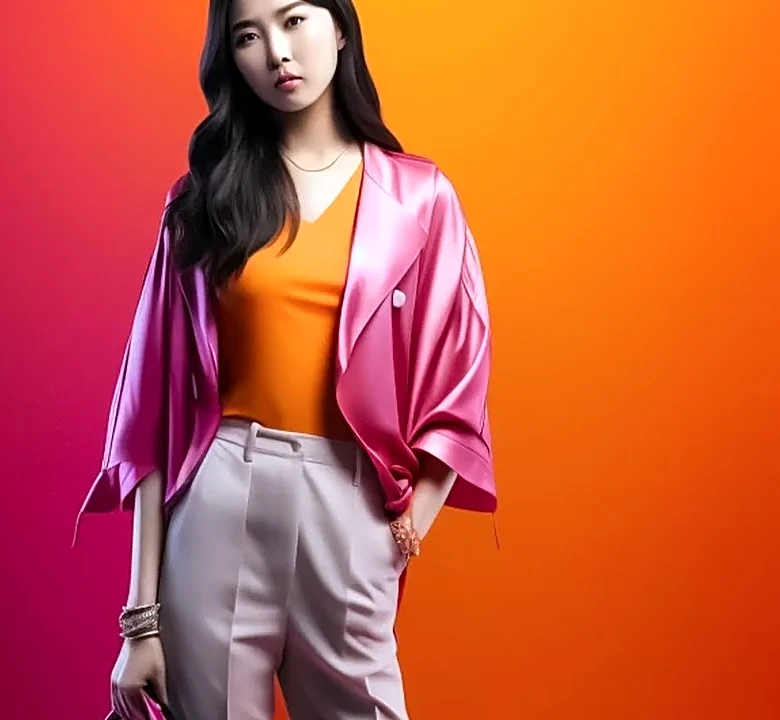
While the gown covers most of your outfit, certain details will still be visible. The neckline of your shirt or dress is one of the most prominent. For men, a collared dress shirt is a classic choice that frames the face well. For women, a modest scoop-neck or simple V-neck allows stoles and honor cords to lie flat without bunching. High necklines can sometimes interfere with the gown's cut. Similarly, accessories should be kept tasteful and minimal. Overly large or flashy jewelry can be distracting and get tangled in your regalia. Simple, elegant pieces will enhance your look without overwhelming it.