






The Unheard Sound of Fear
The culprit is infrasound, which consists of sound waves that vibrate at a frequency below 20 hertz (Hz), the lower limit of human hearing. While your ears can't consciously register these sounds, your body most certainly can. Think of the deep, ground-shaking
rumbles from distant thunder, earthquakes, or large engines; these are all-natural and man-made sources of infrasound. In a horror movie context, sound designers intentionally weave these ultra-low frequencies into the soundtrack. You don't "hear" them in the traditional sense, but you feel them as a physical presence, a vibration that seems to get under your skin and create a sense of unease long before the jump scare arrives.
Your Body on Infrasound
This isn't just a psychological trick; it's a physiological one. Low-frequency vibrations can cause a range of unsettling physical responses, including nausea, dizziness, ear pressure, and a general feeling of anxiety or dread. This is because these powerful sound waves can subtly resonate with your internal organs. Some studies have linked exposure to infrasound to feelings of fatigue, depression, and a loss of concentration. Evolutionarily, mammals associate low-frequency sounds with danger—think the growl of a large predator. This triggers an automatic stress response, preparing your body for a fight-or-flight scenario even when there's no visible threat on screen. Your rational brain knows you're safe in a movie theater, but your primal instincts are screaming that something is terribly wrong.
The 'Ghost Frequency' Explained
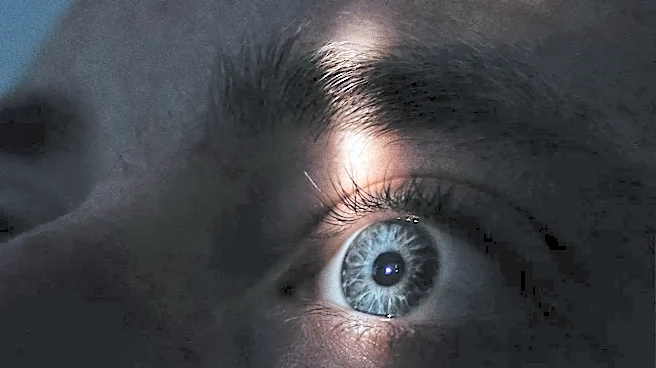
One of the most famous examples of this phenomenon is the so-called "ghost frequency," which hovers around 18 to 19 Hz. This specific frequency is eerily close to the resonant frequency of the human eyeball. When exposed to it, the eyeball can vibrate slightly, causing visual distortions like shadowy figures in your peripheral vision. A scientist named Vic Tandy famously traced a "haunting" in his laboratory to a fan emitting a frequency of 18.9 Hz. Once the fan was turned off, the ghostly apparitions and feelings of unease vanished. This discovery highlighted how infrasound can trick our senses, creating a perfect storm of physical discomfort and visual illusions that our brains might interpret as a paranormal event.
Hollywood's Secret Sonic Weapon
Filmmakers have expertly weaponized this knowledge for decades. By pumping infrasound through a theater's powerful subwoofer system, they can manipulate an audience's emotional state on a subconscious level. The 2002 French film Irréversible famously used a 27 Hz frequency to induce nausea and anxiety in viewers from the very first scene. Other films like Hereditary have been noted for a persistent low-frequency hum that builds an almost unbearable sense of dread throughout the movie. This technique makes quiet, suspenseful moments feel deeply unsettling and amplifies the shock of a sudden scare. The true terror comes from the fact that you're being physically affected by something you aren't even aware of, making the fear feel more authentic and inescapable.