



A Church of Music, Not a Colosseum
Forget sprawling arenas. The Americana Honors & Awards take place at the Ryman Auditorium in Nashville, the historic former home of the Grand Ole Opry, affectionately known as the “Mother Church of Country Music.” The setting is intentional. It fosters
a sense of reverence and intimacy that a massive stadium simply can't. The event feels less like a competition and more like a family reunion or a heartfelt church service. The focus is on the community that the Americana Music Association has built since 1999—a network for artists, songwriters, and industry pros dedicated to American roots music. This year's ceremony, for instance, featured a moving tribute to the late Dolly Parton and a reunion of Tom Petty's Heartbreakers with Chris Stapleton, moments that felt more like shared history than produced-for-TV segments.
Defining the Beautifully Undefined
What exactly is “Americana”? The Grammy Awards, which only added an Americana category in 2010, describe it as a mix of roots rock, folk, R&B, and blues. The Americana Music Association itself calls it a distinctive sound apart from the pure forms of those genres. This ambiguity is its greatest strength. The awards celebrate artists who exist in the spaces between rigid radio formats. Think of recent winners like Brandi Carlile, who took home Song of the Year for "Returning to Myself," or Tyler Childers, whose album "Snipe Hunter" won Album of the Year. These are artists who blend genres with purpose, their work celebrated for its quality, not its ability to fit into a neat commercial box. While other awards can feel like they're chasing trends, the Americana Awards champion the outliers and the storytellers.
Artistry Over Airplay
Mainstream awards are often criticized for being popularity contests, where chart performance and sales figures hold significant sway. The Americana Awards operate on a different value system. Nominations and wins are decided by the association's members, a body of peers and industry professionals. This results in winners like Molly Tuttle, crowned 2026's Artist of the Year, or Mandy Fer, named Instrumentalist of the Year—artists celebrated for their immense talent and contributions to the craft, not their follower counts. This focus on artistic excellence explains why a new talent like Ken Pomeroy can win Emerging Act of the Year and share the stage with legends like Robert Plant, who received a Lifetime Achievement Award. It’s a meritocracy of music, where the song and the skill behind it are the only currencies that matter.
Performances That Actually Breathe
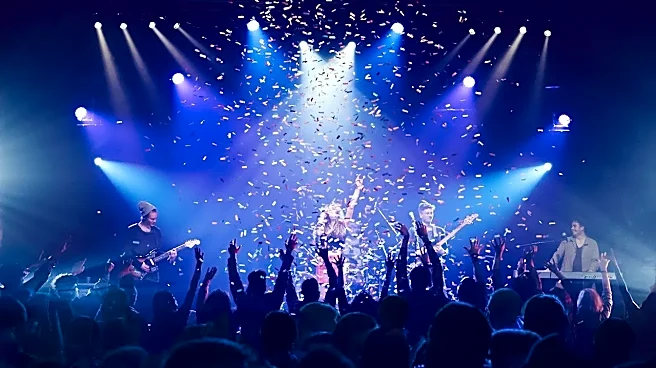
Perhaps the most telling difference is the nature of the performances. While big awards shows often lean on tightly choreographed, playback-heavy spectacles, the Americana Awards prioritize live, spontaneous, and often collaborative musical moments. The show is anchored by an all-star house band, led for years by the legendary Buddy Miller, ensuring a consistently high level of musicianship. The performances are the centerpiece, not just interludes between awards. This year, Robert Plant's return to the Ryman stage for the first time in 15 years to perform a smoldering version of "Satan Your Kingdom Must Come Down" was a testament to this ethos. The night ended with a joyous, all-hands-on-deck performance of The Mavericks’ “Dance the Night Away” to honor the late Raul Malo, a moment of communal celebration that perfectly captured the spirit of the event.