




The World Cup is in Our Backyard
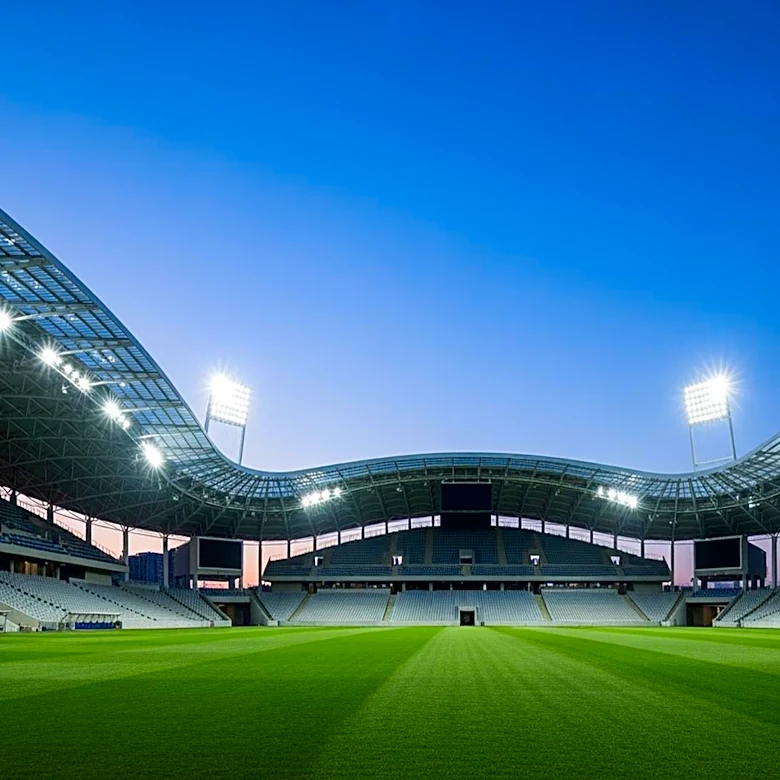
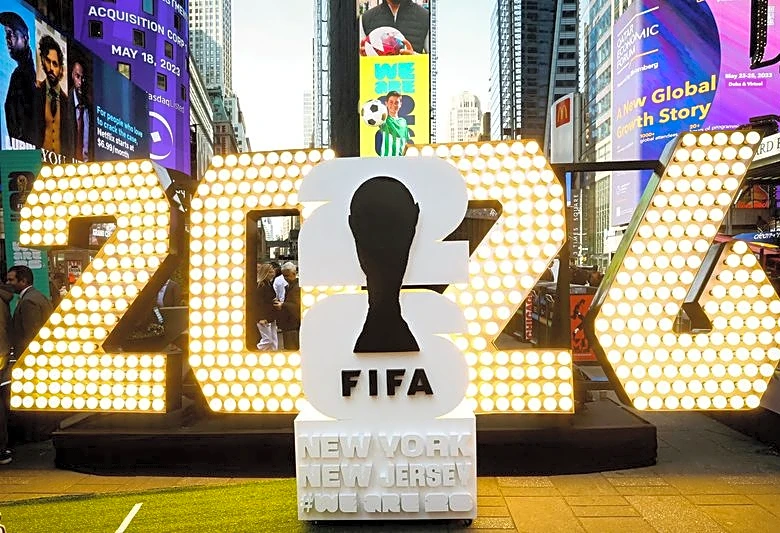
This is the most obvious, yet most powerful, factor. For the first time since 1994, the men’s World Cup will be played on U.S. soil. Games will unfold in major hubs like Los Angeles, New York/New Jersey, Dallas, and Miami. This isn’t a foreign event happening
at odd hours; it’s a national festival taking place in American stadiums, in American time zones. The energy is contagious. When a major international sporting event happens in your city—or even just your country—it becomes part of the daily conversation. The tournament will be inescapable, turning casual curiosity into genuine local pride and engagement. It’s one thing to watch a game in Qatar on TV; it’s another to know it’s happening just a few hundred miles away.
A Genuinely Likeable, Star-Powered Team
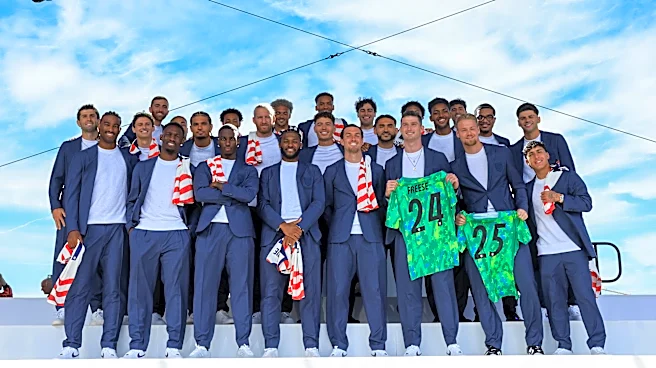
American sports fans love stars, and for the first time, the USMNT has a core group playing at the highest levels of European club soccer. You don't need to know the offside rule to appreciate the story of Christian Pulisic (“Captain America”), a Hershey, Pennsylvania native who became a star for Chelsea and now AC Milan. Or Tyler Adams, the team’s relentless captain, whose leadership is plain to see. Or Weston McKennie, a charismatic Texan with world-class talent. By 2026, these players will be in their absolute prime—seasoned veterans of Europe’s biggest leagues. They aren't abstract names; they are relatable, marketable American athletes ready for their close-up on the world's biggest stage.
The Pop Culture Priming Effect
Soccer is no longer just on the sports channels; it's in our pop culture. Shows like Apple TV’s “Ted Lasso” and FX's “Welcome to Wrexham” have done more for soccer-curiosity in America than decades of marketing. They demystified the sport, focusing on human stories, club culture, and the emotional drama that makes soccer so compelling. These shows created a shared cultural language around the game, making it feel more accessible and less like a niche foreign interest. They’ve successfully primed millions of Americans to understand the passion behind the sport, creating a ready-made audience that’s more open than ever to getting swept up in the real-life drama of a World Cup.
This Team is Actually Good
Let’s be honest: it’s easier to root for a team that wins. The current USMNT is widely considered the most talented generation of players the country has ever produced. They’ve already won regional tournaments and held their own against top-tier opponents like England in the 2022 World Cup. Unlike past U.S. teams that relied on grit and organization, this squad has genuine technical skill and attacking flair. They play an exciting, high-energy style that is fun to watch. A deep run—say, to a quarterfinal or even a semifinal—is a realistic possibility on home soil. Nothing captures the American imagination like a winning underdog, and a USMNT that makes a surprise push for the trophy would become an unstoppable cultural phenomenon.
The Event is Bigger Than the Sport
The World Cup isn't just a soccer tournament; it's a global cultural event, like the Olympics but with a singular focus. For one month, it dominates global attention. Flags come out. Bars and public squares fill up. It’s a proxy for national pride and a celebration of global community. In a country as diverse as the U.S., the tournament allows dozens of diasporas to celebrate their heritage, creating a vibrant, multicultural atmosphere. You don’t have to care about soccer tactics to enjoy the spectacle of a Brazil fan party, the tension of a penalty shootout with Mexico, or the collective pride of rooting for the home team alongside 330 million of your neighbors. The World Cup provides a rare opportunity for unifying, must-see live television.