






The Undeniable Lead Without a Gender
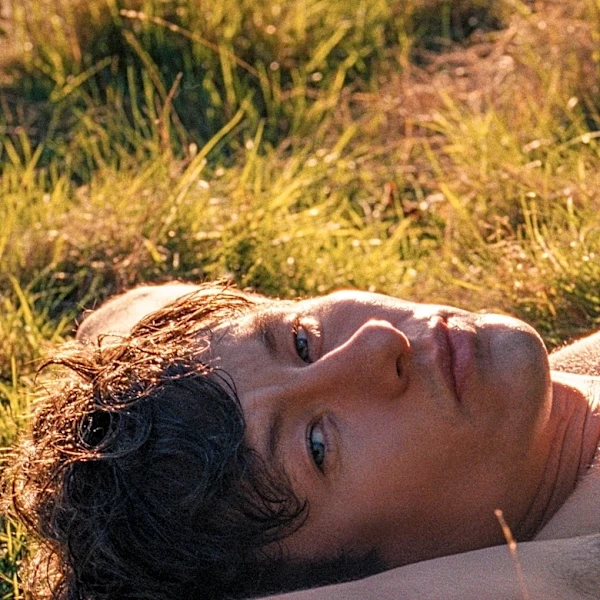
The most urgent conversation starter is happening around Kai Moreno’s mesmerizing performance in the gritty sci-fi drama 'Starlight & Soot.' Moreno, who is non-binary, plays a renegade archivist navigating a world where memories are currency. It’s a definitive
lead performance, filled with fury, vulnerability, and nuance. The dilemma? Placing Moreno in either the Best Actor or Best Actress category feels not just outdated but fundamentally wrong. Critics are unanimous in their praise, but also in their calls for major awards bodies like the Academy to finally accelerate the conversation around a gender-neutral Best Performer award. It’s a change that advocates have demanded for years, but a performance this powerful and high-profile makes the binary categories look more obsolete than ever.
The Voice That Steals the Film
In the sprawling fantasy epic 'Goliath's Echo,' the most compelling character is a 50-foot-tall gentle giant made of rock and moss, brought to life by a stunning vocal performance from veteran actress Eleanor Vance. While audiences never see her face, Vance’s voice carries the entire emotional weight of the film. Her weary sighs, rumbling laughter, and heart-wrenching final monologue are what viewers are leaving the theater discussing. Historically, even the most transformative voice-only or motion-capture roles (think Andy Serkis as Gollum) have been relegated to technical awards at best. But the sheer force of Vance’s work has critics arguing that it's time to recognize that a great performance isn't limited to what we can see. It challenges the very definition of screen acting and asks why a disembodied voice can't compete with a physical presence.
When 'Supporting' Steals the Show
Leo Chen is having a breakout moment at TIFF with 'Mirror Image,' a tense psychological thriller where he plays estranged identical twins. One is a timid artist, the other a charismatic sociopath. The performances are distinct and brilliant, but they present a classic awards season conundrum: is it one lead role or two supporting ones? Chen is in roughly 60% of the film, but his screen time is split almost evenly between the two characters. Voters often struggle with where to place such roles, sometimes leading to category fraud—placing a clear lead in the less competitive supporting category for a better shot at a win. Chen's tour-de-force work highlights the arbitrary nature of these distinctions and forces a question: should we be voting for the role or for the actor's monumental effort?
The Power of the Ego-Free Ensemble
There is no single star of 'The Caldera,' a claustrophobic drama about a team of scientists trapped in a volcanic research station. The film features a cast of stellar character actors, each getting moments to shine but none dominating the narrative. The power of the film comes not from an individual, but from the seamless, generous, and often tense interplay between them all. While the Screen Actors Guild has long honored ensemble casts, the most prestigious awards bodies, including the Oscars, do not. 'The Caldera' is a potent reminder that some of the greatest achievements in film acting are collaborative. The buzz around this film is less about picking one performance to elevate and more about recognizing that the whole is vastly greater—and more award-worthy—than the sum of its parts. It argues for the art of the collective, a concept often lost in the race for individual statues.