





The Setup: Laughter as a Safety Net
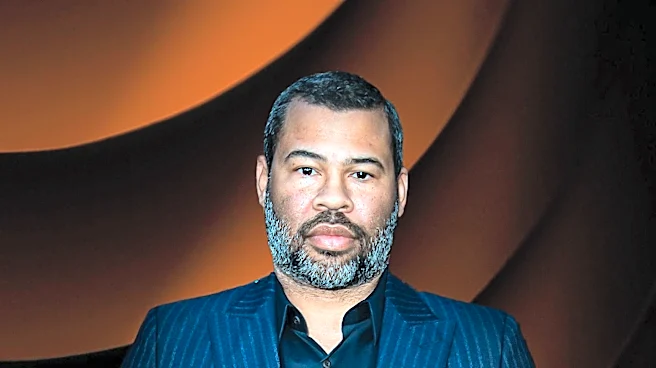
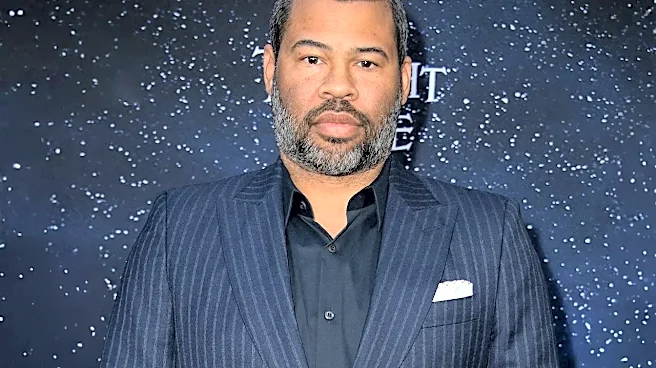
Every great joke has a setup. It establishes a normal reality, earns your trust, and coaxes you into a comfortable rhythm. Jordan Peele, a master of sketch comedy from his 'Key & Peele' days, understands this better than anyone. He uses this principle
not to make you laugh, but to make you vulnerable. Think of Rod, the TSA agent in 'Get Out'. He’s the comic relief, a lifeline to the audience from the real world. Every time the film cuts to him on the phone with Chris, his hilarious, over-the-top panic provides a release valve for the escalating tension at the Armitage house. We laugh, we exhale, and we feel safe for a moment. This is intentional. Peele builds this comedic rapport to lower our defenses. He understands that horror and comedy are 'conjoined twins', both relying on timing, rhythm, and control of audience expectation. By making parts of his films genuinely funny, he trains us to anticipate relief, making the eventual pivot to terror all the more jarring.
The Punchline That Isn't a Joke
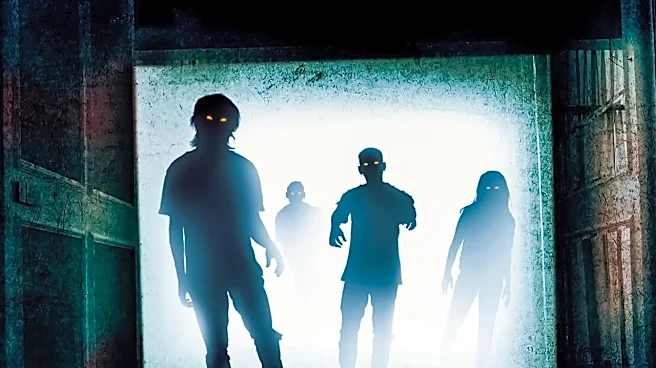
In comedy, the punchline breaks the pattern and provides a surprising, funny release. In Peele’s horror, the 'punchline' is the moment the pattern breaks into a nightmare. He weaponizes the structure of a joke, but substitutes the laugh with a scream. The rhythm is the same, but the outcome is dread. A prime example is the arrival of the Tethered in 'Us'. The Wilson family is relaxing in their vacation home after a tense day. The mood is awkward but mundane. Then, a figure appears in the driveway. And another. And another. The scene is framed with a horrifying stillness that directly contrasts the dad’s (Winston Duke) dorky, lighthearted attempts to deal with it. The audience expects a confrontation, maybe a weird but ultimately harmless one. Instead, the punchline is the slow, dawning realization that these aren't just intruders; they are 'us'. Peele builds the tension to the exact point where a joke should land, but instead of releasing it with humor, he lets the horror crash down.
The Unbearable Pause
Perhaps Peele’s most potent tool is the 'comedic pause' repurposed for pure anxiety. In a sketch, a well-timed pause builds anticipation for a laugh. In his films, that same pause stretches into an unbearable silence where the expected relief never arrives. The most harrowing example is the 'Gordy’s Home' flashback in 'Nope'. The scene is presented as a 90s family sitcom, complete with a laugh track and cheesy jokes. When the chimpanzee star suddenly and brutally attacks the cast, the scene cuts to the young Ricky 'Jupe' Park, hiding under a table. The chimp, now covered in blood, sees him. It approaches slowly. The audience is suspended in a state of absolute terror, waiting for the inevitable. The chimp extends a hand for a fist bump, a gesture of connection from the sitcom, now re-contextualized into something monstrous. This is where a lesser film might cut away or offer a release. Peele holds the shot, forcing the audience to live inside that stretched-out, silent moment of pure, unadulterated dread. The relief never comes, and the anxiety becomes suffocating.
Making the Audience Part of the Spectacle
Ultimately, Peele’s technique turns the camera back on the viewer. By manipulating our ingrained responses to comedic timing, he makes us complicit in the horror. We laugh at the awkward microaggressions in 'Get Out' right before they curdle into something sinister. We are entertained by the spectacle of 'Nope' right before the film reveals that the hunger for spectacle is the very thing that gets people killed. The opening quote of 'Nope'—'I will cast abominable filth upon you, make you vile, and make you a spectacle'—isn't just about the film's characters; it’s about us. We are the ones watching, consuming, and waiting for the next shocking 'payoff'. Peele’s genius is in using the familiar, comforting language of comedy to expose our own anxieties and our relationship with the horrors we consume, both on-screen and in the real world. He doesn't just want to scare you; he wants you to question why you're scared, and why, sometimes, you can't help but laugh.