

1. Outstanding Production Design
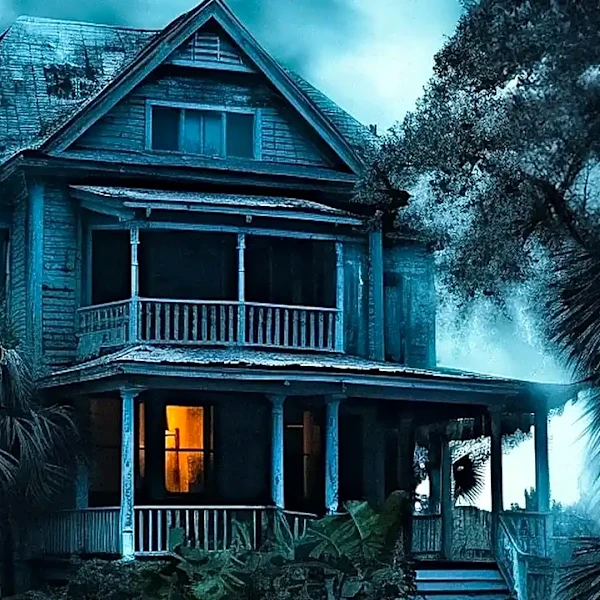
Ever notice how a show's environment feels like a character itself? That's production design. From the sterile, unsettling office in 'Severance' to the opulent, lived-in chaos of a period drama, designers build the world. They choose every piece of furniture,
wall color, and prop to tell you who the characters are before they even speak. Pay attention to the details in a character's room—it’s a visual diary crafted by a team of artists.
2. Outstanding Cinematography
Cinematography is the art of painting with light and camera. It’s why a scene feels intimate and claustrophobic or epic and expansive. The director of photography (DP) decides the camera angles, movements, and lighting that create a show's visual mood. Notice how a series like 'Spider-Noir' might use dramatic shadows and stark contrasts, creating a specific, noir-inspired feeling that defines the entire viewing experience.
3. Outstanding Period Costumes
This is about more than just pretty dresses. Period costumes are a history lesson, a character study, and a world-building tool all in one. Designers research eras exhaustively to not only get the silhouettes right but also to use clothing to signify status, personality, and emotional state. A character's journey can often be tracked through the evolution of their wardrobe, from color palettes to fabric choices.
4. Outstanding Picture Editing
Editing is the invisible art that dictates the rhythm and pace of a show. A great editor knows when to hold on a character’s face for emotional impact or when to use rapid-fire cuts to build tension in an action sequence. Next time you feel your heart racing during a chase or get choked up during a quiet conversation, thank the editor for manipulating time and perspective to guide your emotional response.
5. Sound Editing vs. 6. Sound Mixing
People often confuse these two, but both are crucial. Sound Editors are responsible for creating or sourcing all the sounds you hear that aren't dialogue or music—footsteps, laser blasts, the crinkle of a bag. Sound Mixers then take all audio elements—dialogue, score, and those edited sound effects—and blend them. They decide what you hear and when, raising the score to heighten emotion or making sure a key line of dialogue cuts through a noisy battle.
7. Outstanding Music Composition
The score is a show's heartbeat. A composer creates the original music that tells you how to feel. A recurring musical theme for a character or location can build a powerful subconscious connection for the viewer. Think of an iconic theme and how it instantly transports you to that show's world; that's the power of a great score, weaving itself into the narrative fabric.
8. Outstanding Main Title Design
Don't press 'Skip Intro'! The main title sequence is a show's first impression, a miniature film that sets the tone and introduces key themes in 60-90 seconds. The best ones are works of art, using graphics, music, and clever imagery to prepare you for the world you're about to enter. The 2026 nominations included visually distinct titles for shows like 'IT: Welcome to Derry' and 'Spider-Noir'.
9. Outstanding Casting
Casting is so much more than just picking famous faces. A casting director is an architect of human chemistry. They find the perfect lead, but they also populate the entire world of the show, from the one-line day player to the season-long antagonist. When an ensemble feels perfectly balanced and every actor, no matter how small the role, feels authentic, you're seeing the result of masterful casting. For the 2026 awards, shows like 'The Pitt' and 'Pluribus' were recognized for this feat.
10. Outstanding Hairstyling & Makeup
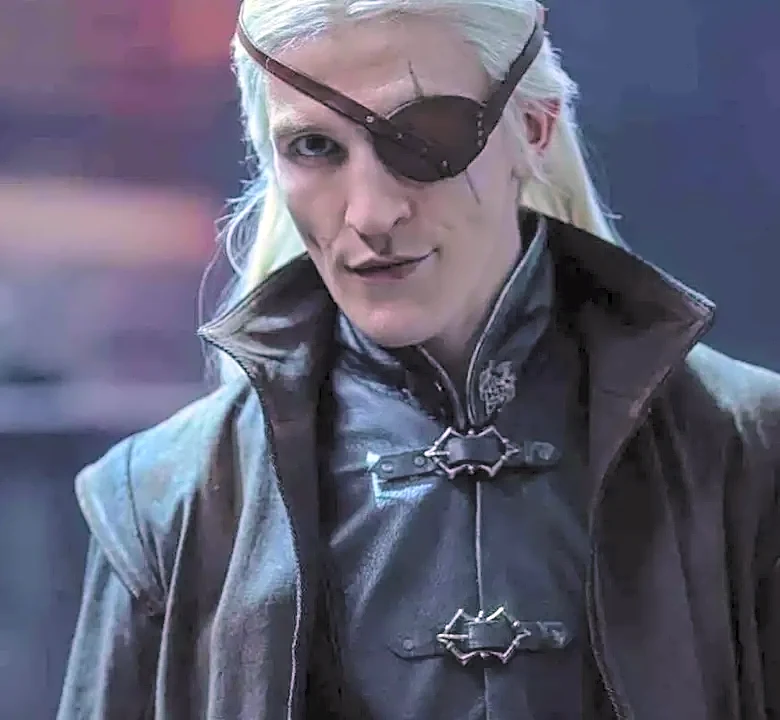
This isn't just about making actors look good; it's about building characters. Period hairstyling can instantly place you in a specific decade, while makeup can age a character, show injury, or create a fantastical creature. Prosthetic makeup can be especially transformative. Look closely, and you’ll see how hair and makeup choices support the story, revealing a character's circumstances or their attempts to project a certain image.