



The Blueprint of Brooding Chic
The Wednesday Addams look began not as a fashion statement, but as a simple cartoon sketch. In the 1930s, cartoonist Charles Addams created a nameless, morbid little girl for his single-panel comics in The New Yorker. It wasn't until the 1964 television
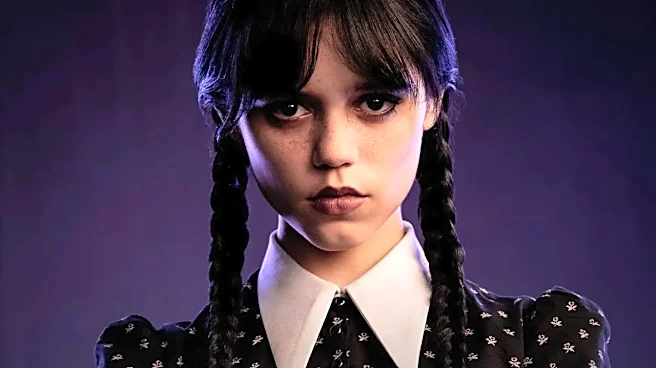
series that she was given the name 'Wednesday' and her now-iconic uniform: a simple black dress with a contrasting white Peter Pan collar, black stockings, and two severe braids. This initial design was about creating an archetype—a solemn, eerie child who stood in quiet opposition to the sunny post-war American ideal. The dress was plain, modest, and stark. It was the visual equivalent of a one-word answer, communicating everything by saying almost nothing. This simplicity became its greatest strength, creating a powerful, recognizable silhouette that future interpretations could build upon without losing the character's essence.
It's Character, Not a Costume
The real reason Wednesday’s dress endures is because it’s a perfect extension of her personality. The dress isn’t just a costume; it's a declaration of identity. Wednesday is intelligent, defiant, and utterly uninterested in fitting in. Her clothing reflects this internal resolve. The black color palette is a rejection of frivolousness, while the prim collar adds a touch of macabre formality, suggesting a character who plays by her own very specific, and often sinister, rules. She doesn't dress to impress or attract; she dresses for herself. This makes the look aspirational for anyone who has ever felt like an outsider. Wearing the dress is a way to channel her quiet confidence and self-possession. It says, 'I know who I am, and I don’t need your approval or your pastels'.
The Ephemeral Age of the 'Core'
Contrast this with the world of gothic micro-trends. Terms like 'Pastel Goth', 'Nu Goth', and 'Victorian Cyber Goth' flash across social media, each with its own set of aesthetic rules. These trends, often born on platforms like TikTok, are primarily about visual curation. They provide a pre-packaged aesthetic that one can adopt, but they often lack the deep-seated character narrative that gives the Wednesday look its power. Micro-trends are built for the algorithm, designed for rapid consumption and just-as-rapid replacement. They are often a pastiche of older subcultures—a little punk here, a little Victorian there—without the original context or commitment. While fun and visually interesting, they are designed to be temporary, like digital costumes in an endless scroll.
An Enduring, Adaptable Silhouette
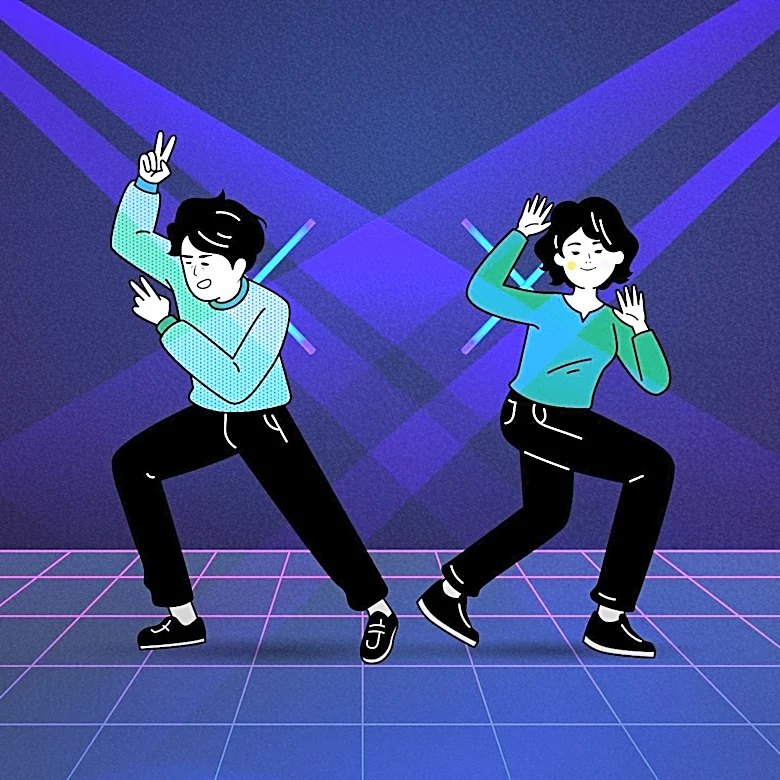
The genius of the Wednesday look is its adaptability. From Lisa Loring’s simple frock in the 60s to Christina Ricci’s slightly more detailed version in the 90s films, the core elements remained. But it was the 2022 Netflix series 'Wednesday' that cemented its high-fashion potential. Costume designer Colleen Atwood masterfully evolved the wardrobe, giving Jenna Ortega’s iteration a black-and-gray school uniform, checkerboard prints, and the now-famous ruffled Alaïa gown worn during the instantly viral dance scene. These updates proved that the spirit of Wednesday—dark, intelligent, and individualistic—could be expressed through a contemporary lens without losing its iconic power. The Prada Monolith boots and designer pieces showed that Wednesday’s aesthetic wasn't just for outcasts; it was undeniably chic. This ability to evolve while staying true to its roots is something a fleeting micro-trend can never achieve.