





Beyond the Hype: What Is a Cryo Facial?
Sometimes nicknamed "frotox," a cryotherapy facial is a non-invasive treatment where a controlled stream of cooled air or pressurized nitrogen vapor is applied to the face, neck, and décolleté for a few minutes. A trained esthetician uses a wand to keep
the cold vapor moving across the skin, rapidly lowering its surface temperature. The entire session typically lasts between 15 and 30 minutes, and because it doesn't break the skin, there’s no downtime. Unlike medical cryosurgery, which uses extreme cold to destroy tissue like warts, a cosmetic cryo facial is designed to cool the skin without causing cellular damage, making it a much gentler procedure.
The Instant Gratification Factor
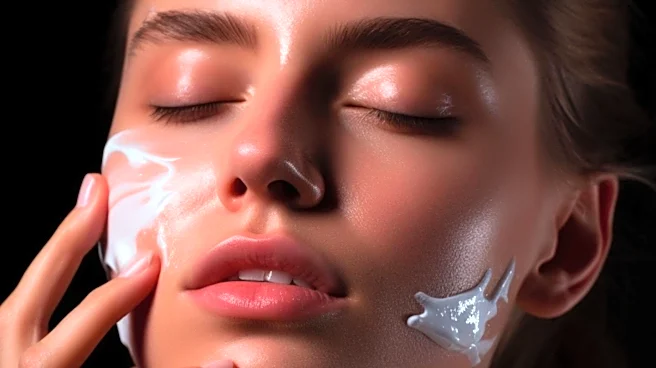
A huge part of the cryo facial's appeal lies in its immediate, visible results. The intense cold causes blood vessels to constrict and pores to temporarily tighten. This process helps reduce puffiness and inflammation, which is why many people seek it out to look refreshed after a long week or before a big event. Once the skin returns to its normal temperature, the blood vessels dilate, creating a rush of oxygenated blood to the surface. This rebound effect is what produces the signature post-facial “glow”—a rosy, vibrant complexion that looks and feels awake. For many, that instant boost is a compelling reason to return.
The Science of Cold
The core mechanism behind a cryo facial is the cycle of vasoconstriction (blood vessels narrowing) and vasodilation (blood vessels widening). This process doesn't just create a temporary glow; proponents claim it has deeper benefits. The increased circulation is said to help skincare products penetrate more effectively after a treatment. Furthermore, some experts and clinics suggest that repeated exposure to cold therapy can stimulate fibroblasts, the cells responsible for producing collagen and elastin. While the immediate de-puffing and brightening effects are well-documented, claims about long-term collagen production are still based more on professional observation than on large-scale clinical trials. However, cold therapy is recognized for its ability to reduce inflammation, which is a known contributor to premature aging.
Why It's a Staple, Not Just a Trend
Beauty fads often promise miraculous transformations but fade when the results don't justify the hype or the hassle. The cryo facial has endured because it delivers a reliable, noticeable result quickly and without recovery time. It fits neatly into a modern approach to beauty that favors long-term health and maintenance over quick, dramatic fixes—a movement sometimes called "longevity beauty." Unlike more invasive procedures or complex, multi-product routines, it’s a straightforward enhancement. It acts as a support system for the skin, much like a good night's sleep or proper hydration. It doesn't promise to completely transform your face; it promises to make your skin function and appear at its best—refreshed, calm, and bright. This focus on tangible, repeatable maintenance is why it has quietly earned a permanent spot in many people's wellness routines.
Is It Right for You?
A cryo facial is generally considered safe for most skin types, especially for those looking to reduce dullness, redness, and puffiness. However, it's not for everyone. Individuals with certain conditions that are triggered by cold, such as severe rosacea, Raynaud's phenomenon, or cold urticaria (hives from cold exposure), should avoid the treatment. There are also rare risks like temporary skin discoloration or, if performed improperly, frostbite. Because of this, it's crucial to have the procedure done by a trained and certified professional in a reputable spa or clinic. It's also important to remember that a cryo facial is a supplement to, not a replacement for, a consistent daily skincare routine.