

The House: A Staccato Beat of Controlled Shocks
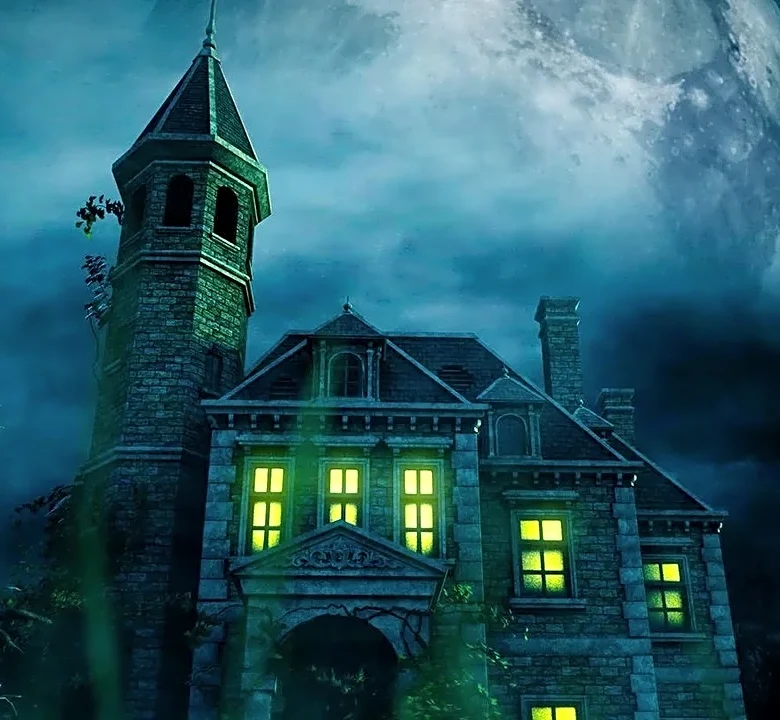
A haunted house is a masterclass in control. From the moment you step inside, you are on a predetermined path, a dark ride without the vehicle. The environment is tight, sightlines are deliberately short, and the entire experience is architecturally engineered
to manipulate your senses. The rhythm here is staccato—a series of sharp, percussive beats. Designers build tension in a dark hallway, deliver a perfectly timed jump scare from a hidden corner, and then give you a split second of relief before the cycle begins anew. This is horror as a roller coaster: a predictable structure of adrenaline-spiking moments. The fear comes from a barrage of stimuli in a space where you have no agency. It’s effective because it’s a sprint, designed to overwhelm you and push you forward toward the exit. The entire structure is built around the next scare, ensuring there's nowhere to hide and no time to fully recover.
The Street: A Legato of Atmospheric Dread
Scare zones, or "streets," are an entirely different beast. They are open, non-linear, and populated by guests who linger, watch, and move at their own pace. Trying to apply the rapid-fire rhythm of a house in this environment is a recipe for failure. A constant stream of jump scares in an open space becomes predictable and exhausting, turning scareactors into repetitive obstacles rather than sources of terror. The proper rhythm for a street is legato—long, sustained, and flowing. The primary goal isn't to make you jump every five seconds, but to build an unshakable atmosphere of dread. The fear should come from the environment itself: the fog, the unsettling music, the sheer number of places a threat could emerge from. This sustained unease makes the eventual scares far more potent because they are punctuation marks in a long, terrifying sentence, not just a string of exclamation points.
The Peril of a Broken Rhythm
The most common fan complaint about a weak scare zone is that it feels like an outdoor house with no walls. This happens when the design philosophy is misaligned—when a street is filled with scareactors who simply pop out, yell, and reset. It breaks the immersion because it ignores the environment. Instead of feeling like you've entered a cursed jungle or a city of clowns, you feel like you're walking past a series of disconnected startle gags. This approach ignores the unique advantages of a street: space and unpredictability. A great street experience uses its open area to create layered threats. While one creature might provide a quick distraction, another might be slowly and silently stalking a group from 30 feet away. This blend of overt chaos and subtle, personal dread is something a linear house simply cannot achieve.
Orchestrating a Symphony of Fear
The best scare zones understand their unique musicality. They are less about the shock and more about the slow burn. The rhythm is built on variety and unpredictability. You have the chainsaw horde that provides a burst of chaotic energy, but you also have the silent, costumed characters who generate fear simply by staring. You have moments of intense action, followed by lulls where the tension comes from scanning the crowd, trying to distinguish guest from ghoul. These zones become living worlds. The fear isn't just what jumps out at you; it's the feeling of being watched, the actor who interacts with the environment, or the sudden, synchronized movement of a group of creatures. This dynamic pacing, a mix of slow dread and sharp panic, creates a far more psychologically taxing and memorable experience than a simple conga line of scares ever could.