







The Thanksgiving Paradox
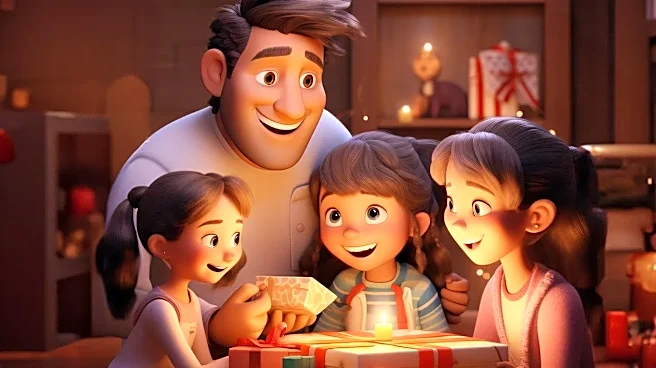
Thanksgiving is built on an idealized image of connection. We're told it's a time for gratitude, warmth, and belonging. But for many, the holiday feels more like a performance. The pressure to feel happy and connected can be immense, creating what psychologists
call a gap between expectations and reality. Even when surrounded by people, you can feel profoundly alone if the connections lack meaning. This phenomenon, known as perceived social disconnection, is why you can be in a crowded room and still feel unseen. The day’s emphasis on the 'perfect family' moment becomes a powerful trigger for social comparison, making us acutely aware of any disconnect, loss, or tension in our own lives.
The Cinematic Mirror
After the feast, turning on a movie is a classic American ritual. It’s a form of escape, a way to collectively unwind. But the screen doesn't just distract us; it acts as a mirror. The narratives we watch, whether they are about epic love, unbreakable family bonds, or profound isolation, provide a stark contrast to the complicated reality of our own holiday experience. Suddenly, the scripted perfection of a cinematic family makes our own feel messier. The curated vulnerability of a lonely character on screen can feel more relatable than the small talk happening on the couch next to us. The film becomes a measuring stick, and against it, our own feelings of connection—or lack thereof—are thrown into sharp relief.
Finding Solace in On-Screen Solitude
It seems counterintuitive, but watching a movie about a lonely character can be strangely comforting during the holidays. Films that explore solitude, like 'Lost in Translation' or 'Her', offer a form of validation. These characters give a face to the quiet, internal feelings of alienation that are difficult to express at the Thanksgiving table. Their on-screen journey assures us that we aren't the only ones who feel this way. This shared experience, even with a fictional character, can create a sense of catharsis and make our own loneliness feel less like a personal failure and more like a universal part of the human condition. It’s a quiet acknowledgment that being alone and feeling lonely are two different things, and that you can experience the latter even when you are not the former.
The Unattainable Ideal
On the other end of the spectrum, watching feel-good holiday movies can have the opposite effect. The flawless homes, witty banter, and last-minute romantic reunions common in festive films set an impossibly high bar. This idealized portrayal of connection can magnify the gap between the holiday we're 'supposed' to have and the one we're actually experiencing. Research shows that this kind of upward social comparison often predicts higher feelings of loneliness, independent of how much social contact a person actually has. When our real-life interactions don’t measure up to the cinematic ideal, it can amplify feelings of inadequacy and isolation, making the presence of others a painful reminder of the deeper connection we crave.