







Los Angeles: The Indoor-Outdoor Marvel
SoFi Stadium in Inglewood isn't just a venue; it's an architectural statement. Designed by HKS, it’s the NFL's largest stadium at 3.1 million square feet and the first true “indoor-outdoor” stadium, a nod to Southern California’s lifestyle. Its most stunning
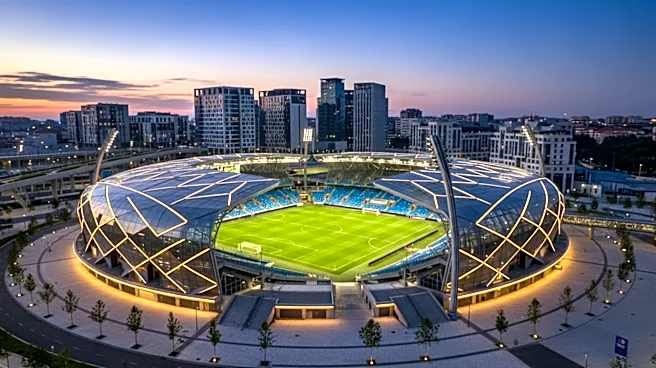
feature is the translucent, 1-million-square-foot ETFE roof canopy, which protects fans from the elements while flooding the bowl with natural light. The roof's frit pattern even helps cool the stadium. The entire structure is dug 100 feet into the ground to comply with FAA height restrictions due to its proximity to LAX, a challenge that became a defining design feature. Once you're done marveling at the massive, dual-sided Infinity Screen, explore other LA architectural icons like the Getty Center's travertine-clad campus or the futuristic Walt Disney Concert Hall designed by Frank Gehry.
New York/New Jersey: The Transformative Giant
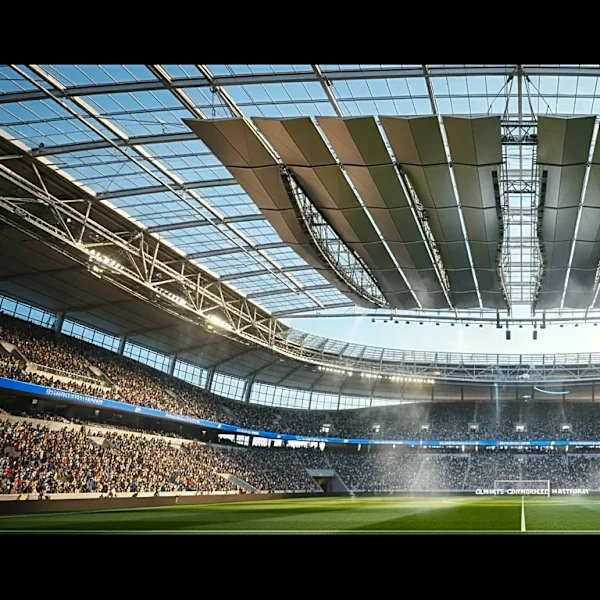
MetLife Stadium, host of the World Cup Final, is a feat of adaptable design. Home to two NFL teams, the New York Giants and New York Jets, the stadium was engineered for neutrality. Its most distinct feature is the outer shell of aluminum louvers that can be illuminated in either team's colors, transforming the building's identity with the flip of a switch. Designed by HOK and EwingCole, the 2.1 million-square-foot venue prioritizes clear sightlines and a commanding presence. After the final whistle, the architectural wonders of Manhattan are just across the river. Take a trip to the top of the Empire State Building for a classic Art Deco experience, or visit the World Trade Center complex to see the striking Oculus transit hub designed by Santiago Calatrava.
Dallas (Arlington): Everything is Bigger
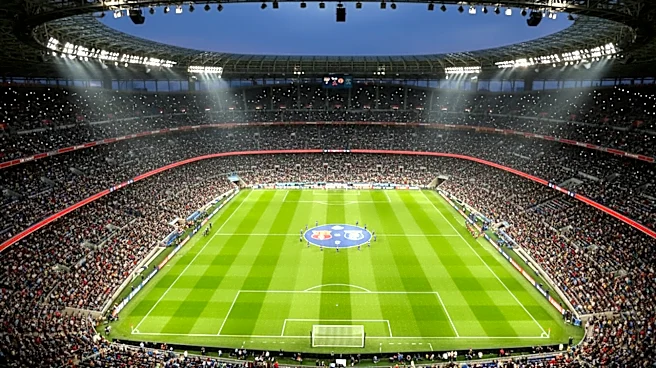
AT&T Stadium is an architectural spectacle of pure scale and ambition. Known for its two monumental arches that span the length of the dome, it’s one of the world's largest domed structures. The retractable roof and enormous operable end-zone walls—the largest in the world—can open to transform the space and allow for air circulation. Inside, the once-record-holding center-hung video board ensures no one misses the action. Designed by HKS, the stadium was conceived as a civic structure, not just a sports venue. After the match, explore the Dallas Arts District, the largest contiguous urban arts district in the nation, which features work from several Pritzker Prize-winning architects.
Atlanta: The Aperture
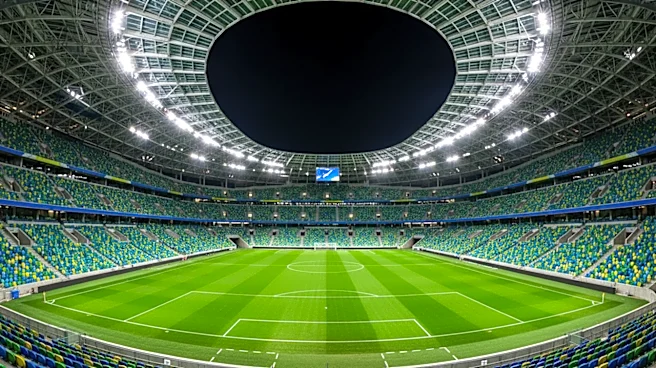
Mercedes-Benz Stadium is best known for its one-of-a-kind retractable roof. Inspired by the oculus in the Roman Pantheon, the roof consists of eight massive triangular panels that move in unison, opening and closing like a camera’s aperture. The facade, with its angular, wing-like forms, is a nod to the Atlanta Falcons. A 16-story “window to the city” on the west side offers stunning, transparent views of the downtown skyline. As the first professional sports stadium in North America to achieve LEED Platinum certification, it’s also a model of sustainable design, featuring a massive cistern for rainwater reuse. For more architectural exploration, seek out the downtown hotels and atriums designed by John Portman, which helped define Atlanta's modern cityscape.
Philadelphia: History Meets Modernity
Lincoln Financial Field, home of the Philadelphia Eagles, pays homage to its city's rich past while embracing modern design. The stadium's exterior incorporates a brick facade, reflecting Philadelphia’s historic architecture. This is contrasted with a dramatic, exposed steel superstructure meant to evoke the bridges of the region and the wings of an eagle. Designed by NBBJ, the stadium features open corners that provide striking views of the Philadelphia skyline. While not as technologically flashy as some of its newer counterparts, its design thoughtfully connects the team, the fans, and the city. Beyond the game, you're just a short trip from Independence Hall, a masterclass in Georgian architecture, and the Philadelphia Museum of Art, a grand Neoclassical landmark.