


It’s All About Instant Structure
Let’s be honest: many of the coolest outfits are fundamentally a bit strange. A vintage band t-shirt with a silk skirt? Cargo shorts and heels? A neon slip dress in broad daylight? This is the delightful chaos of personal style. The blazer’s primary superpower
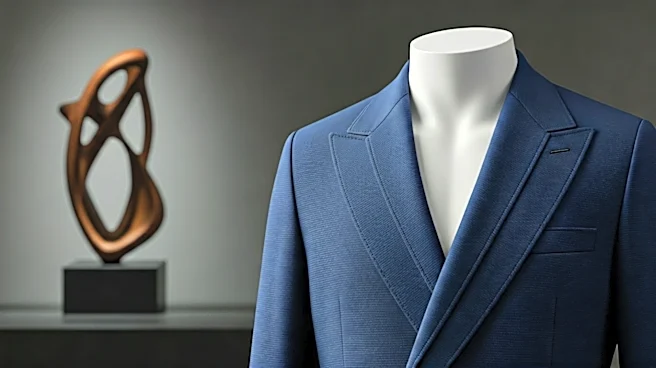
is its ability to impose order. Its tailored shoulders, defined lapels, and clean lines provide an architectural frame that instantly makes an otherwise eclectic or casual combination feel intentional. It’s the difference between looking like you got dressed in the dark and looking like you’re a curator who understands juxtaposition. The blazer’s structure says, “I know the rules, which is precisely why I can break them.” It adds a layer of polish that grounds the creativity, turning a potential mess into a masterpiece.
The Perfect High/Low Collision
The very soul of modern cool is the high/low mix. It’s the sartorial equivalent of serving fancy champagne with a bag of potato chips. The blazer, with its roots in formal menswear and corporate power-dressing, is the ultimate “high.” When you throw it over something resolutely “low”—distressed jeans, a simple white tank top, worn-in sneakers, or even bike shorts—you create an immediate, compelling tension. This contrast is the engine of Art Basel style. It communicates a certain irreverence and an understanding that true style isn't about being perfectly polished from head to toe. It’s about a confident nonchalance. The blazer does the heavy lifting, providing the “fashion” element so the rest of your outfit can be comfortable, personal, and effortlessly cool.
A Blank Canvas for Personality
Paradoxically, a great blazer can make you fade into the background in the best way possible. A classic black, navy, or camel blazer doesn’t scream for attention. Instead, it acts as the perfect frame for the real star of the show: you, and your more eccentric style choices. It allows a wild printed scarf, a stack of chunky artisanal bracelets, a pair of look-at-me sunglasses, or a bizarrely shaped handbag to take center stage without overwhelming the entire look. The blazer provides a quiet, confident foundation, giving you permission to experiment with your accessories. It’s the gallery wall, and your unique pieces are the art. Without that neutral, structured backdrop, bold accessories can look random; with it, they look curated.
Not All Blazers Are Created Equal
The term “blazer” covers a wide territory, and choosing the right one is key to nailing the Basel vibe. Forget the stiff, fitted polyester number from your first job interview. The modern style hero falls into a few key categories. There's the oversized, '80s-inspired power blazer with strong shoulders, perfect for belting over a dress or giving shape to baggy trousers. There’s the relaxed, unstructured linen blazer, ideal for throwing over shorts and a tank top in Miami’s humidity. And of course, there's the classic tuxedo jacket, which brings instant evening elegance to even the most battered pair of blue jeans. The trick is to find a silhouette that feels slightly off-kilter—a little too big, a little more fluid, or in a surprising texture like velvet or corduroy. This keeps it from feeling corporate.
The Psychological Armor
Ultimately, the power of a blazer is as much psychological as it is aesthetic. There’s a reason it became the uniform of '80s power brokers and has been a staple of stylish women from Marlene Dietrich to Hailey Bieber. Putting on a jacket with structure subtly changes your posture. You stand a little taller. You feel more put-together, more in command. Walking into a crowded gallery or a buzzy party, that little boost of confidence is invaluable. It’s a piece of social armor. When you feel good in what you’re wearing, you project an ease and self-assurance that is far more compelling than any single trend. The blazer doesn’t just make your outfit work; it helps you work the room.