



The Director as Storyteller
Every awards show is a tightly controlled production, but the VMAs thrive on a carefully cultivated illusion of chaos. While artists perform meticulously rehearsed sets on stage, a director in a production truck is making split-second decisions that can
create an entirely separate narrative. A well-timed cut to an audience member isn't an accident; it’s a narrative choice. Is a rival artist looking bored during a performance? Is an ex-partner watching a triumphant moment? The director’s decision to show us that face, in that moment, transforms passive viewers into active participants in a silent drama. We are invited to interpret the side-eye, the gasp, or the supportive smile, turning a fleeting expression into a pivotal plot point in the ongoing saga of celebrity culture.
The Birth of a Pop Culture Feud
Perhaps no VMA moment illustrates this better than the 2009 incident between Kanye West and Taylor Swift. When West stormed the stage to protest Swift's win, the cameras didn't just stay on them. They cut to a mortified Beyoncé in the crowd, whose face told a story of shock and embarrassment. That single reaction shot added a crucial layer to the drama, making her an unwilling participant in a feud that would define pop music for a decade. It wasn't just West's interruption but Beyoncé's reaction that cemented the moment in history. Later in the show, Beyoncé used her own win to graciously bring Swift back on stage, a move that only underscored the power dynamics at play, all initially framed by that one telling audience shot.
From Reaction to Internet Gold
As social media grew, the reaction shot found its true purpose: becoming a meme. In 2013, when Miley Cyrus delivered her infamous twerking performance with Robin Thicke, the cameras found the Smith family in the audience. The resulting image of Will, Jada, and Jaden looking on with what appeared to be stunned confusion instantly went viral. Though it was later reported their reaction was to a different performance, the narrative was already set. The image perfectly encapsulated the public's shock and became a digital shorthand for it. Years later, Nicki Minaj's confrontational "Miley, what's good?" wasn't a reaction shot, but it created one: the camera immediately cut to a flustered Cyrus, whose stammered response became just as famous as the initial call-out. These moments are no longer just for the broadcast; they are tailor-made for an eternity of shares, GIFs, and reaction images.
The Unquenchable Thirst for Authenticity
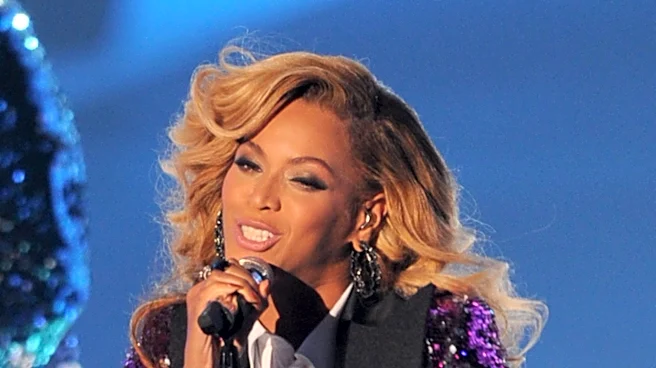
Ultimately, the power of the reaction shot lies in our collective desire for a crack in the polished facade of celebrity. In a world of curated images and media-trained responses, a ten-second glimpse of what we perceive as a genuine, unfiltered emotion is priceless. It feels real. Whether it's Jay-Z's giddy joy at Beyoncé's on-stage pregnancy reveal or Drake's earnest, slightly awkward confession of love for Rihanna, these moments provide a hit of perceived authenticity. They make these larger-than-life figures seem human, relatable, and, for a brief moment, just as surprised by the spectacle as the rest of us. The performances may win the awards, but it's the reactions that win the internet and secure a permanent place in our pop culture memory.