


From a Sea of Channels to a Fortress of IP
The old cable model was built on 'channel volume.' The idea was to occupy as much space on the cable box as possible. A channel for history, a channel for cooking, a channel for science, another for classic movies—each targeting a specific advertising
demographic. But this model is breaking down. With millions of households cutting the cord, the subscription fees and ad dollars that propped up niche channels are evaporating. Enter 'franchise density.' Instead of going wide, companies are going deep. The new strategy involves identifying a core piece of intellectual property (IP)—a hit show, a movie series, a universe of characters—and building an entire ecosystem around it. It’s about owning a few highly valuable worlds rather than a hundred half-watched channels. Media giants now see their most valuable assets not as networks, but as durable franchises that can be monetized across platforms.
The Math That Broke the Old Model
The pivot isn't a choice; it's a reaction to harsh economic realities. First, the audience is leaving. By 2026, traditional cable subscriptions have hit historic lows, gutting the dual revenue stream of subscriber fees and advertising that channels relied on. Second, content is expensive. In the age of 'Peak TV,' producing a high-quality scripted show can cost millions per episode. Spreading those costs across a portfolio of underperforming channels is no longer sustainable. It makes more financial sense to concentrate a nine-figure budget on expanding a proven hit like Paramount’s Yellowstone universe or AMC's The Walking Dead than to fund a dozen risky new shows on a channel nobody is watching. Major players like Warner Bros. Discovery and Paramount are now openly focused on maximizing profitability from their linear networks to fund growth in streaming and studio content, where franchise power reigns.
Franchise Density in Action
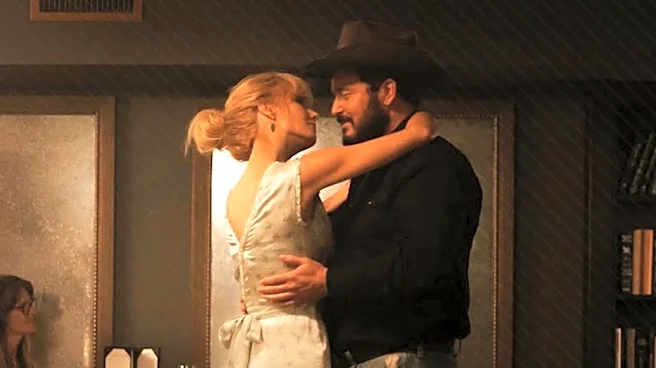
You're already seeing this strategy everywhere. Look at Paramount's aggressive expansion of its core franchises. The company has doubled down on worlds like Mission: Impossible and Top Gun, while also launching a global publishing arm to create books that can expand on existing IP or even generate new franchises from the page up. This approach extends successful TV series into multi-show universes, like the numerous spinoffs from Taylor Sheridan's series. The goal is to create a self-sustaining ecosystem where a movie drives viewers to a streaming series, which in turn sells merchandise and maybe even inspires a video game or a book. It’s a playbook perfected by Disney with Marvel and Star Wars, and now it's the survival guide for every legacy media company.
What This Means for Your Remote
For viewers, this shift will fundamentally change the television landscape. The upside is more of what's already popular. If you're a fan of a major hit, get ready for a wave of prequels, sequels, and spinoffs exploring every corner of that world. The downside is a potential decline in variety and risk-taking. The 'middle' of television—the quirky, original, standalone shows that might have found a home on a niche cable channel—will have a harder time getting made. As companies consolidate around their biggest moneymakers, the dial will feel smaller, even if the number of streaming apps grows. The 500-channel dream is being replaced by a handful of super-franchises, forcing you to decide not which channel to watch, but which universe to live in.