


The Soothing Power of Predictable Terror
The term “comfort horror” might sound like an oxymoron, but it perfectly captures the phenomenon. It’s not about finding solace in brand-new, unknown terrors. Instead, it’s about revisiting films where the scares are as familiar as a favorite sweater.
When you know precisely when the villain will jump out or which floorboard will creak, the fear loses its edge of genuine anxiety. This predictability is key. Psychologists refer to the “mere exposure effect,” where our brains develop a preference for things simply because they're familiar. This principle suggests that even if a situation is stressful, its predictability can provide a sense of stability and control in a world full of genuine, unwelcome surprises. Watching a beloved horror movie allows you to experience the thrill of fear in a completely controlled environment, knowing you'll be perfectly fine when the credits roll.
A Masterclass in Managing Fear
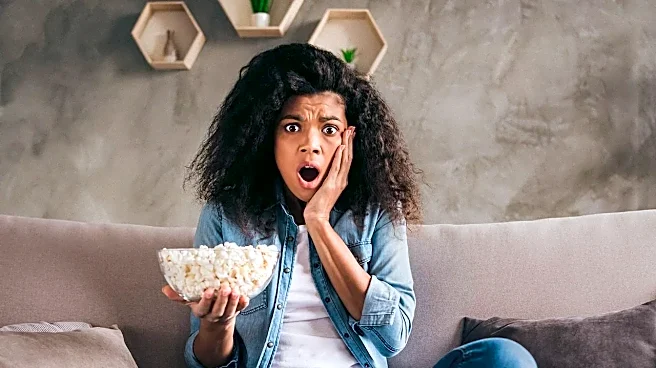
Each rewatch of a horror classic is like a practice run for your emotions. You’re not just a passive viewer; you’re actively managing your own fear response. You brace for the jump scare, you recite the iconic lines along with the characters, and you feel the wave of relief when the tense moment passes. This cycle provides a cathartic release. For many, especially those who deal with anxiety in their daily lives, the controlled chaos of a horror film can be therapeutic. It offers a safe space to confront and process feelings of dread, knowing that the source is fictional and finite. By repeatedly exposing yourself to these managed frights, your brain learns that it can handle the stress, which can lead to a surprising sense of calm and decreased anxiety afterward.
Nostalgia with a Sinister Twist
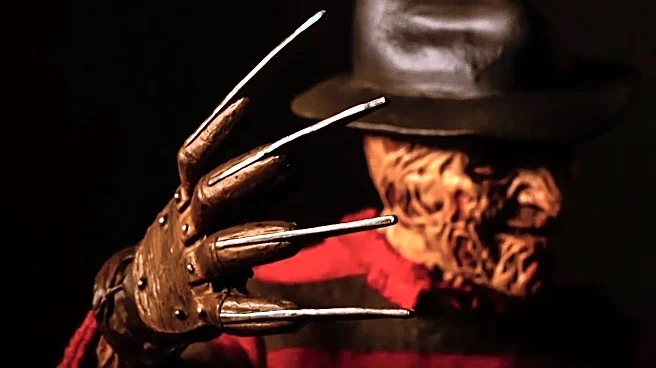
Many comfort-horror favorites are deeply entwined with memories. Films like “Scream,” “A Nightmare on Elm Street,” or even the more family-friendly “Hocus Pocus” are time capsules. They might transport you back to a high school sleepover, a first date at the movies, or a family Halloween night. This is what experts call autobiographical nostalgia, where a film connects you to a specific time in your own life. The movies themselves often tap into a different kind of nostalgia by corrupting cherished childhood imagery—clown dolls, summer camps, and quiet suburban homes—which creates a uniquely powerful and memorable viewing experience. This blend of personal memory and shared cultural touchstones makes rewatching these films an act of reconnecting with a past self.
A Shared Cultural Campfire
The ritual of the October rewatch is also a profoundly social one. In an age of fractured media consumption, these seasonal favorites function as a kind of cultural campfire. Sharing quotes online, debating which installment of a franchise is the best, or gathering with friends to watch a classic creates a powerful sense of community. Horror has a unique ability to capture the anxieties of the era in which it was made, making these films historical artifacts as well as entertainment. By participating in this annual tradition, viewers aren't just watching a movie; they're taking part in a widespread cultural conversation that strengthens social bonds and reaffirms a shared love for the spooky season.