







A Sharp Detail on the Red Carpet
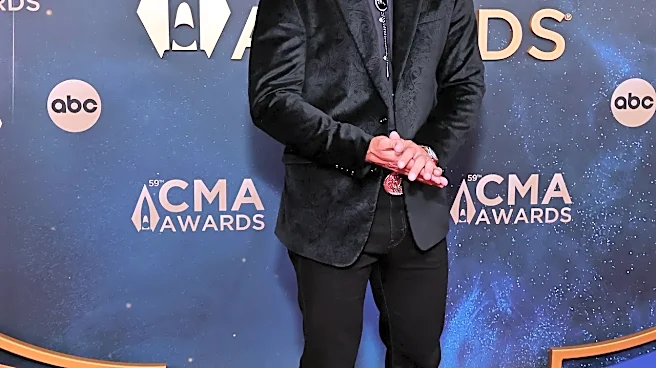
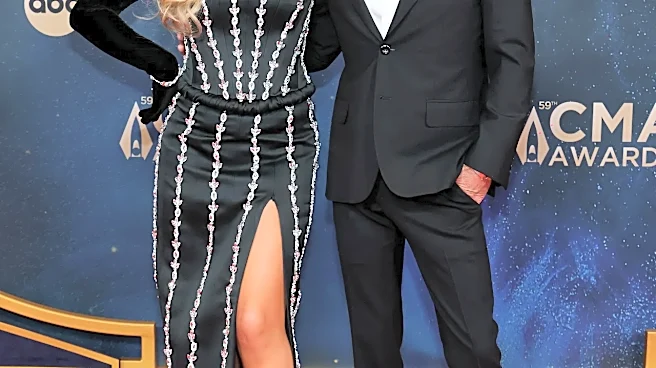
The 60th annual CMA Awards in Nashville was a spectacle of high glamour, but the most interesting style story wasn't about who wore the most sparkle. It was about the subtle, razor-sharp lines of contrast piping seen on the night's best suits. Breakout
star Tucker Wetmore, for instance, arrived in a powder-blue suit featuring crisp black piping that traced the lapels and pockets, a look that felt both refreshingly modern and deeply rooted in country tradition. He wasn't alone. Seasoned performers and newcomers alike opted for tailored looks where the seams and edges were deliberately highlighted, turning a simple suit into a statement piece. This small choice—to outline the architecture of a jacket in a contrasting color—speaks volumes about where country fashion is right now: confidently looking forward while giving a respectful nod to the past.
The History Behind the Seam
Contrast piping is far from a new invention; it's a foundational element of classic Western wear. Before it was a red-carpet choice, it was a practical one. Tailors used piping to reinforce the seams of shirts and jackets, adding durability for cowboys and ranch hands. But visionaries like Nudie Cohn, the legendary tailor behind the rhinestone-encrusted 'Nudie Suits' worn by everyone from Hank Williams to Gram Parsons, turned this functional detail into a key part of the showman's uniform. Piping was used to trace the dramatic, pointed yokes and scalloped cuffs that became synonymous with stage-ready Western style. It was designed to be seen from the back row of a stadium, outlining the performer's silhouette under the bright lights. Choosing a piped suit today connects an artist to that rich lineage of country music peacocking.
More Than a Throwback
While the detail is historic, its appearance at the 2026 CMAs felt anything but dated. In recent years, Western aesthetics have galloped back into the mainstream, influencing everything from runway collections to street style. We’ve seen the return of cowboy boots, fringe, and pearl-snap shirts, but the piped suit feels like a more sophisticated evolution of the trend. It’s less about dressing in costume and more about integrating a specific, meaningful element into a polished, formal look. It signals an appreciation for heritage without being trapped by it. For artists navigating the line between traditional country sounds and contemporary pop influences, a piped suit is the perfect sartorial metaphor: its structure is classic, but its execution is pure 2026.
A Subtle Mark of Authenticity
In a world of borrowed trends and fast fashion, a detail like contrast piping feels intentional and authentic. It's a choice that requires a certain level of sartorial knowledge and an appreciation for craftsmanship. It tells you the wearer—and their stylist—understands the visual language of country music. They know that a black piped edge on a cream jacket isn't just a design choice; it's a reference to a century of Western tailoring. As artists like Lainey Wilson, who hosted the evening, continue to master the blend of high fashion and authentic Western style, smaller details are becoming the new frontier. The piping on a suit is a quiet signal, a confident whisper that you know exactly where you come from and where you’re going.