


A River of Blood, Not a Map of Westeros
The most immediate difference from its predecessor is the central metaphor. Instead of a map of kingdoms, we get a model of a city—Old Valyria, the doomed ancestral home of the Targaryens—and a river of blood flowing through it. This isn't just about
charting who's who; it’s about the very essence of the Targaryen dynasty: blood. The concept of the bloodline, its perceived purity, and its eventual pollution is the central conflict of the show. The credits literalize this, showing blood as both the source of power and the agent of destruction. As the red stream winds its way through the stone channels, it’s not just connecting individuals; it’s tracing the flow of fate, ambition, and the genetic curse that haunts the family. It tells us that this story isn't about land, but about lineage, and how the pressure to preserve it will ultimately cause it to shatter.
The Prophecy Written in Stone
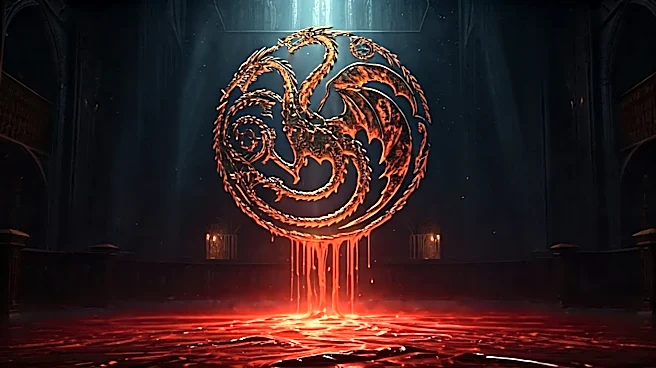
The path the blood takes is far from random. It’s a physical manifestation of the Targaryen family tree, but it functions more like a prophecy than a historical record. The blood flows from the sigil of Aegon the Conqueror, the dynasty’s founder, and branches off to represent his descendants. Each major character is represented by a cog-like sigil that activates as the blood reaches it. But watch closely. The path isn't clean. Sometimes the blood pools, stalls, or overflows, hinting at conflict, death, and the moments where the line is threatened. For instance, the sequence cleverly shows lines that end abruptly (representing a death) or sigils that get washed over in blood, signifying their tragic ends. In Season 1, the sigils for Viserys’s first wife, Aemma Arryn, and their infant son, Baelon, are shown, but the blood quickly moves on, symbolizing their early deaths and the succession crisis they created. It’s a dynamic, fatalistic map of a family tearing itself apart.
An Evolving Narrative Document
Unlike the relatively static map in Game of Thrones, the House of the Dragon sequence was designed to be a living document. While the changes in Season 1 were subtle—often reflecting the parentage of Rhaenyra’s children—the shift between seasons is monumental. Season 2 abandons the stone model of Valyria for a massive, unfolding tapestry. This isn't just an aesthetic choice; it’s a thematic one. The story is no longer about the slow, inevitable creep of fate carved in stone. Now, it’s being actively woven, a history written in real time through deeds and bloodshed. The tapestry depicts key moments from Targaryen history and the events of Season 1, culminating in the violent act that launches the Dance of the Dragons. This change signals that the prophecy is over and the war has begun. The story is no longer about what *might* happen, but about the brutal history being created right now, stitch by bloody stitch.
From the Doom of Valyria to a Woven History
Setting the original sequence in a scale model of Old Valyria is a powerful framing device. The Targaryens are survivors of a cataclysm—the Doom of Valyria—that destroyed their civilization. By building their family tree on the ruins of their past, the show suggests that their entire dynasty in Westeros is an attempt to reconstruct a lost glory, one destined to carry the seeds of the same self-destruction. The transition to the tapestry in Season 2 moves the story forward. A tapestry is a record of history, often commissioned by the victors. By showing the story being woven, the credits ask a chilling question: who will be left to finish this tapestry, and what story will they tell? It transforms the sequence from a map of destiny into a chronicle of war, where each thread represents a choice, a battle, and a life lost in the brutal creation of a new history.