




Anarchy Is the Point
From its very first broadcast in 1984, the MTV Video Music Awards was positioned as the chaotic younger sibling to the buttoned-up Grammys. It launched with Madonna writhing on stage in a punk-rock wedding dress, setting a tone that has defined the show
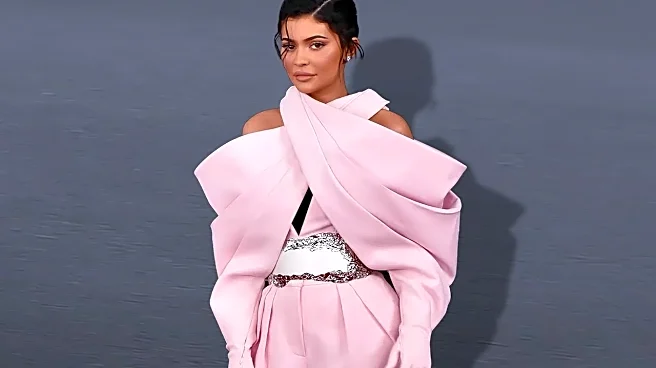
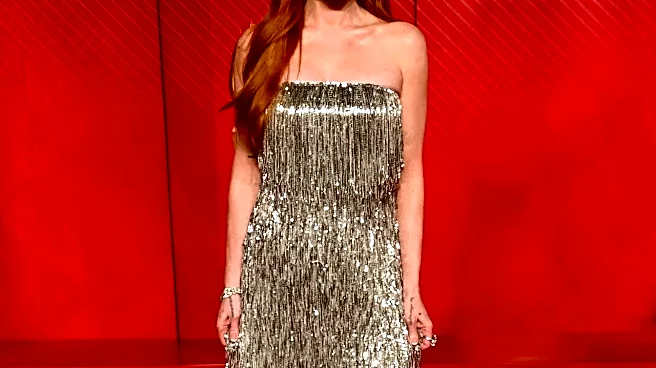
for decades. While other awards shows are built on prestige and a sense of decorum, the VMAs were built on disruption. The entire point was to be louder, messier, and more unpredictable than anything else on television. That ethos extends directly to its red carpet, which operates less like a receiving line and more like a performance art space. Showing up in a simple, beautiful ball gown is, in the context of the VMAs, arguably the biggest fashion fail of all.
Celebrating a Visual Medium
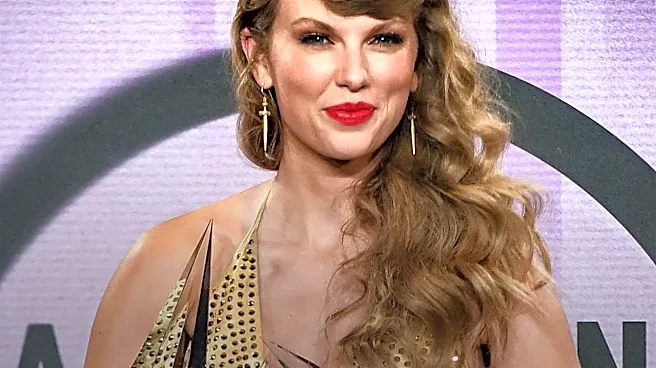
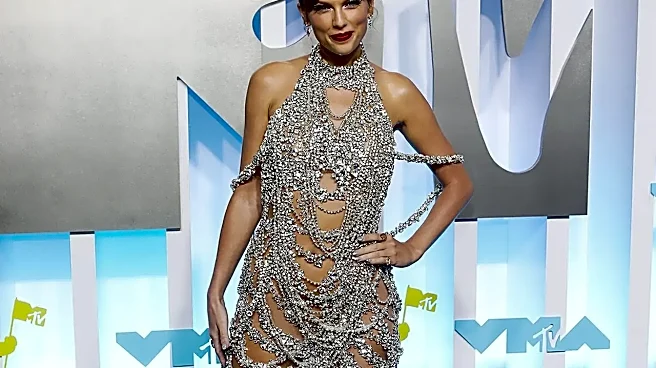
Unlike the Oscars, which honors acting, or the Grammys, which centers on audio, the VMAs were created to celebrate the music video. This is fundamental to understanding the fashion. The artists attending are visual storytellers, and their red carpet looks are an extension of their artistic personas. A musician’s brand is often built on a distinct visual identity that can be as important as their sound. Think of Britney Spears in 2001, arriving in a black lace dress before taking the stage with a live python, or Taylor Swift in a rhinestone-heavy Oscar de la Renta dress that served as a nod to her album 'Midnights'. The outfits aren't just clothes; they're part of the narrative. For artists, the VMA red carpet is another stage to perform their identity.
A History of Unforgettable Moments
Traditional awards shows have a high penalty for fashion failure. A look deemed a "miss" can haunt an actor for years. At the VMAs, the only real failure is being boring. The show's most legendary moments are its most controversial. In 1998, Rose McGowan arrived in a sheer beaded dress that left little to the imagination. A year later, Lil' Kim wore her iconic one-sleeved purple jumpsuit with a matching seashell pasty. In 2010, Lady Gaga arrived in a dress constructed from raw flank steak. These weren't just outfits; they were cultural events that generated headlines for days and are still talked about decades later. This history creates a permission structure for today's stars, encouraging them to go for a look that will be remembered, not just praised.
No Gatekeepers, Just Eyeballs
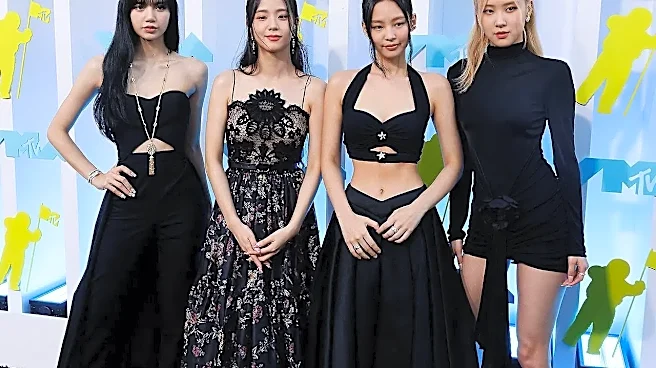
The calculus of risk is completely different. An actor at the Oscars is often auditioning for their next multi-million dollar role or representing a luxury brand like Dior or Chanel. Their look is about projecting timeless elegance and commercial appeal. A musician at the VMAs is trying to capture the attention of a younger audience that lives online, where virality is currency. A wild, meme-worthy outfit from the VMAs can dominate social media for days, amplifying an artist’s relevance in a crowded market. Amber Rose and Blac Chyna’s 2015 outfits, emblazoned with misogynistic slurs they’d been called, were a perfect example of using the platform for a statement that went far beyond fashion. At the VMAs, being talked about is the ultimate prize, and a safe black dress is a one-way ticket to being forgotten by the time the first award is handed out.