



Ever scroll through a designer’s new bridal collection and feel a sense of harmony? It’s a kind of magic, how a dozen gowns can feel like they belong to the same family, yet each tells its own story. This isn't an accident; it's an art.
It Starts with a Central Idea
Every great collection
begins not with a sketch, but with a feeling, a theme, or a question. This is the collection's 'North Star'. It could be an architectural movement, a historical era, a line from a poem, or even an abstract concept like 'sculptural romance'. This central idea acts as a creative filter. For example, a collection inspired by 'ethereal gardens' might feature soft, flowing fabrics, delicate floral lace, and organic details. A collection based on 'modern minimalism' would prioritize clean lines, structured fabrics like crepe or satin, and sharp, architectural silhouettes. This theme becomes the invisible thread that ties every piece together, ensuring they all speak the same core language.
The Unifying Power of Fabric
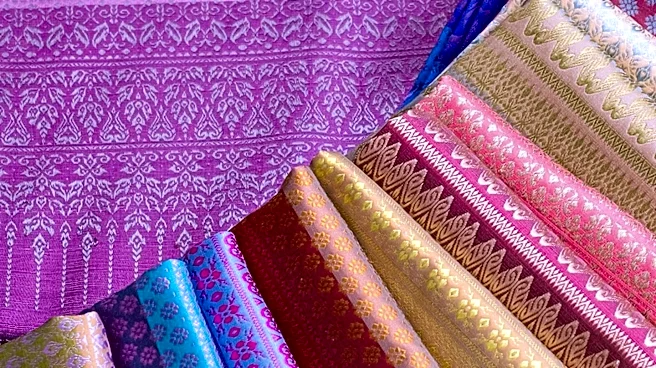
Fabric is arguably the most powerful tool for creating coherence. A designer might build a collection around a specific family of textiles to create a consistent tactile and visual feel. One collection might explore the possibilities of different silks—from luminous satin to structured Mikado—while another focuses on the romance of various French laces. Danielle Frankel, a designer known for her sculptural and textural work, often lets the process of testing and manipulating fabrics guide the collection's development. When a specific type of lace pattern or a particular fabric finish appears on multiple gowns, it creates a subconscious link for the viewer. The material itself becomes a signature, creating a cohesive narrative from one dress to the next.
The Art of Variation on a Silhouette
This is where designers combat repetitiveness. Instead of offering ten nearly identical A-line gowns, they explore a single design idea across multiple shapes. A signature element—like a draped cowl neckline, an architectural sleeve, or a specific corset construction—might be translated onto a slinky sheath, a dramatic ballgown, and a chic fit-and-flare. Designer Vera Wang is a master of this, often exploring a concept like 'asymmetry' or 'deconstruction' across a wide range of silhouettes in a single season. This technique creates a 'call and response' between the dresses. You see the echo of an idea, but presented in a new context. This makes the collection feel like a complete wardrobe of ideas rather than a lineup of similar products.
A Consistent Palette and Detailing
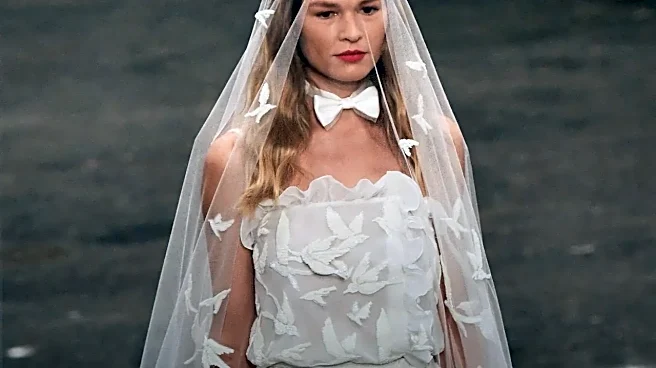
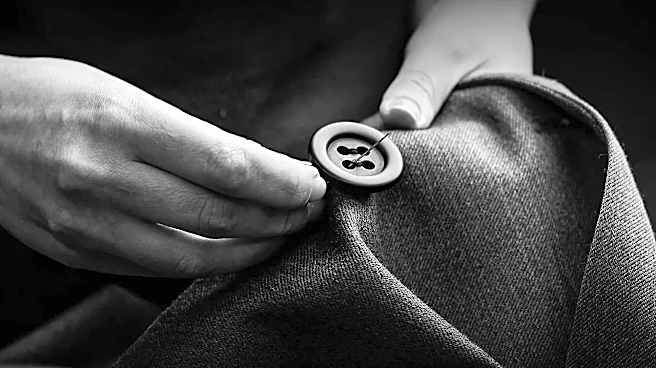
While bridal is often associated with white, the specific shade and tone create a subtle but crucial color story. A collection might be built around warm, creamy ivories, crisp optical whites, or soft blush and champagne tones. Sticking to a tight, harmonious color family is one of the easiest ways to ensure the gowns look like they belong together. The same goes for details. If a designer uses a particular type of pearl beading, a unique button style, or a hand-embroidered motif, repeating that element across different gowns acts as a 'golden thread'. It’s a signature that winks at the viewer, confirming that each dress is part of the same thoughtful, intentional world.