


More Than a Blank Canvas
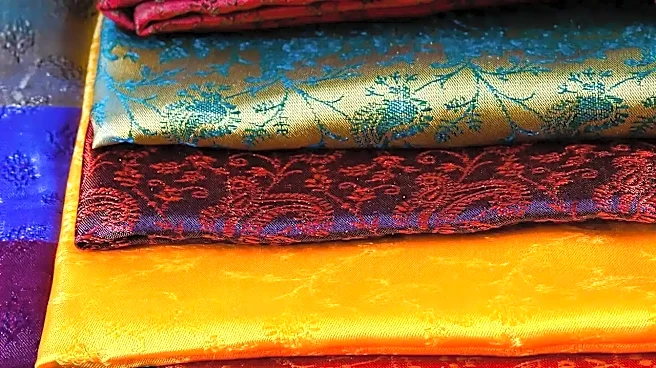
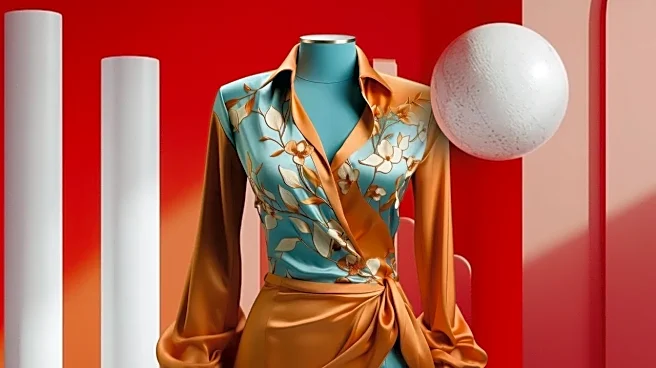
In the traditional fashion and interiors model, designers typically begin with a bolt of existing fabric. The creative act involves selecting a material—a cotton, a silk, a polyester—and then adorning its surface. This could mean applying a vibrant print,
intricate embroidery, or other decorative elements. The fabric serves as a foundation, a blank canvas awaiting the artist's touch. While this method has produced countless iconic designs, a growing cohort of creators is challenging this premise. They are asking a more fundamental question: What if the creation of the canvas was the art itself? This represents a significant pivot from merely choosing materials to actively developing them, transforming the very substance of design from the fiber up.
The New Artisans of Material
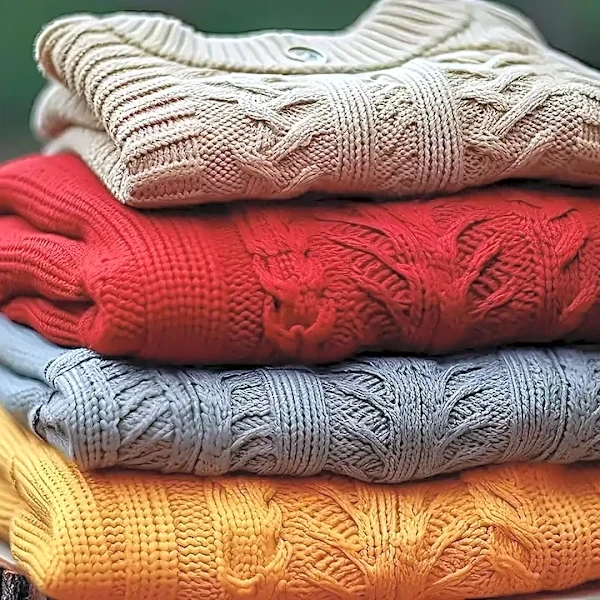
This shift marks the resurgence of the designer as a true artisan of materials. Instead of relying on textile mills to set the menu, these innovators are weaving their own narratives into the cloth. This can involve anything from partnering with mills to create exclusive weaves and textures to hand-dyeing yarns with natural pigments. Designers like Aleksandra Gaca, for example, are known for creating highly innovative, three-dimensional woven textiles that become the centerpiece of a product or space. Others, like the late Issey Miyake, built entire legacies on fabric innovation, developing signature pleating and processing techniques that were inseparable from the final garment's form. The goal is complete creative control, resulting in textiles that are not just unique but are imbued with the designer's specific vision and values from the very first thread.
A Statement on Sustainability and Story
This hands-on approach is not just an aesthetic choice; it's often a profound statement on sustainability and consumption. In an era dominated by fast fashion and disposable goods, developing a textile from scratch is an act of defiance. It is inherently slower, more deliberate, and often more sustainable. Designers can ensure ethical sourcing, opting for eco-friendly fibers like organic cotton, hemp, or innovative bio-fabricated materials made from algae or fungi. This method allows for a transparent supply chain and a deeper connection to the material's origin. It's a move toward what some call "slow luxury," where the value lies in longevity, craftsmanship, and a clear provenance. Each custom-developed fabric tells a story—of the land where the fiber was grown, the hands that wove it, and the philosophy of the designer who conceived it.
The Future is Woven In
Looking ahead, the line between textile designer and fashion or product designer will likely continue to blur. As technology advances, so do the possibilities. We're already seeing the integration of smart textiles with embedded functions, and designers are experimenting with bio-fabrication that could lead to self-healing or color-changing materials. But even without high-tech intervention, the core idea remains powerful. By moving from surface decoration to textile development, designers are championing a more holistic and meaningful form of creation. They are crafting materials that are not only beautiful and functional but also rich with intent and purpose, turning a simple piece of cloth into a complex cultural object.