

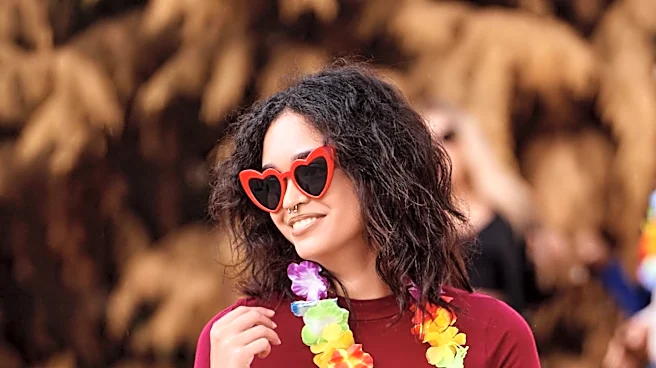
The First Challenger: Indie Sleaze
The first real threat to Y2K’s bubblegum maximalism arrived around 2006, bundled in skinny jeans and a cloud of detached irony. Dubbed “indie sleaze,” this era was a direct reaction to the preceding years of flashy, pop-centric glamour. It traded bedazzled
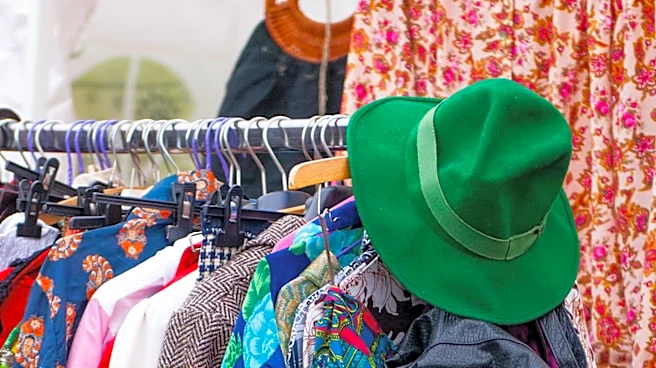
pink for a grittier, more ‘authentic’ uniform of band tees, worn-out leather jackets, and American Apparel basics. The aesthetic was defined by a kind of performative messiness, celebrating a party-centric lifestyle that looked spontaneous and un-styled, even if it was meticulously curated. Where Y2K was about futuristic optimism and pop-star polish, indie sleaze was about downtown cool, late-night DJ sets, and looking like you just rolled out of bed with a rockstar. It was a complete tonal shift that should have buried the bright, unapologetic fun of the early 2000s for good.
The Second Threat: The Polished Influencer
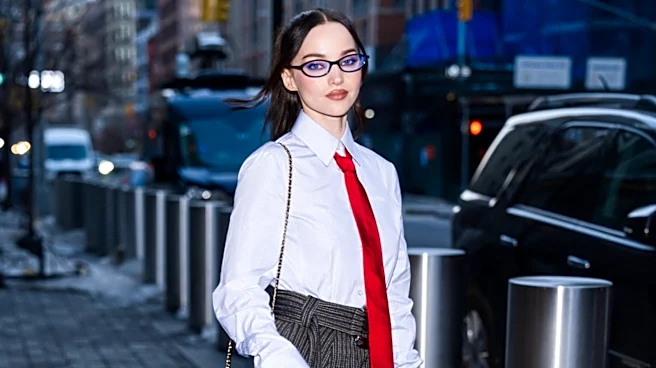
Just as indie sleaze began to fade, a new, far more polished challenger emerged in the mid-2010s: the Instagram influencer. This era swapped gritty authenticity for curated perfection. Fashion became less about what you wore to a dive bar and more about what looked good in a perfectly lit, square-cropped photo. Trends were defined by a highly produced aesthetic featuring clean lines, minimalist palettes, and aspirational lifestyle branding. Statement necklaces, structured handbags, and monochromatic outfits dominated feeds, creating a uniform look that was easy to replicate and highly marketable. This was the age of the curated self, a direct contrast to the chaotic, mix-and-match energy of Y2K. The emphasis on flawlessness and a professionalized personal brand left little room for the playful, often tacky, and wonderfully imperfect styles of the new millennium.
The Final Boss: Normcore and Athleisure
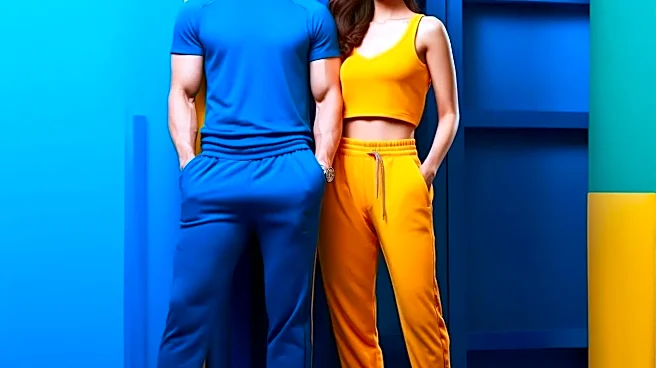
The final style cycle that logically should have been the nail in Y2K's coffin was the rise of extreme comfort. Normcore, the idea of embracing the aggressively average, took hold as a rejection of fashion's constant demand for newness. It championed dad jeans, plain t-shirts, and nondescript sneakers—a purposeful pivot to the unremarkable. This soon morphed into athleisure, a movement that made it acceptable, even chic, to wear gym clothes everywhere. Leggings, hoodies, and yoga pants became the new uniform, prioritizing function and comfort above all else. This obsession with practicality and ease was the polar opposite of Y2K’s demanding silhouettes, like hip-hugging low-rise jeans and constricting tube tops. A culture that valued comfort above all else had no business bringing back something so notoriously difficult to wear.
So, Why Did Y2K Win?
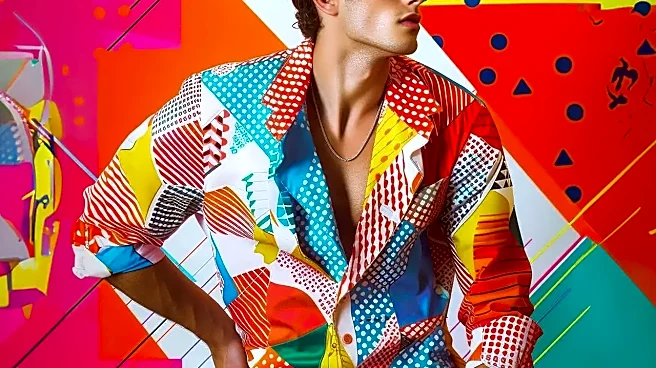
Despite these oppositional movements, Y2K fashion has returned with a vengeance, and the reasons are deeply cultural. For one, the 20-year trend cycle is a powerful force, suggesting that what was popular two decades ago is ripe for revival. Gen Z, a generation too young to have experienced it the first time, discovered and romanticized the era through TikTok, finding a fresh, pre-social media authenticity in its aesthetic. The revival was also a direct rebellion against the minimalist, curated perfection that dominated the 2010s. After years of beige and gray, the loud, optimistic, and unapologetically expressive nature of Y2K felt like a breath of fresh air. It represents a kind of messy, individualistic fun that feels both nostalgic and radical in today's algorithm-driven world. People didn’t just want to wear old trends; they were craving the feeling of freedom and bold self-expression that came with them.