




When Secondhand Meant Second-Best
For most of the 20th century, buying used clothes was a matter of necessity, not style. Before the mid-1960s, wearing something from a stranger’s past was deeply unappealing for those who could afford new. Post-war consumerism was all about the shiny
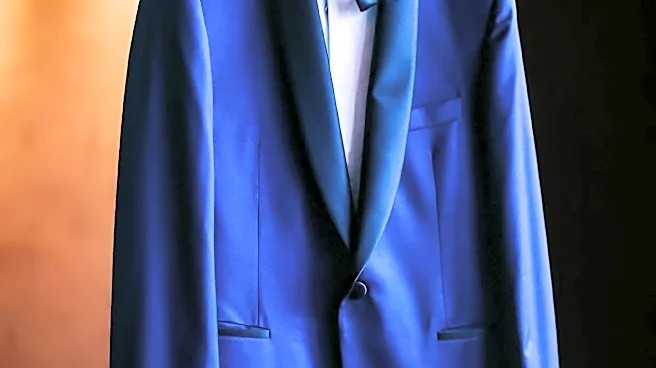
and new; secondhand was for people who had no other choice. In this context, a thrifted tuxedo was the ultimate anti-fashion statement. It was a conscious rejection of the polished, aspirational world of formalwear. It was punk, it was grunge, it was a way to show you were outside the system. To wear a thrifted tux to a formal event was to deliberately subvert expectations, choosing authenticity (and a bargain) over the prescribed uniform of success.
The Rebrand: From 'Used' to 'Vintage'
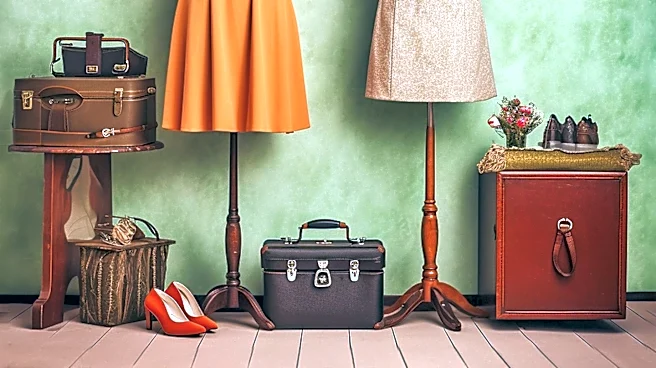
The perception of secondhand clothing began to shift dramatically in the mid-1960s. Counterculture movements like the hippies embraced unique, older garments as a form of rebellion against mass-market consumerism. Young people in London and San Francisco rummaged through thrift stores not for cheap knock-offs, but for authentic pieces—Edwardian dresses, military jackets, Victorian lace—that asserted their individuality. The term “vintage” itself, borrowed from the world of wine, began to replace words like “used” or “worn.” This rebranding was crucial. It suggested that older clothes weren't just cast-offs; they possessed historical value, superior craftsmanship, and a story that new clothes lacked. A 1940s suit was no longer just an old suit; it was a piece of history with a distinct silhouette you couldn't find in a modern department store.
The Red Carpet Revolution
Nothing solidified the status of vintage fashion more than its arrival on the red carpet. Once the exclusive domain of brand-new couture, awards shows became a showcase for archival finds. When celebrities like Winona Ryder, Kate Moss, and Reese Witherspoon began wearing vintage gowns to major events like the Oscars, it sent a powerful message. These weren't just thrift store finds; they were often historically significant designer pieces. In recent years, stylists like Law Roach have made a name for themselves by sourcing iconic archival looks for stars like Zendaya, including a vintage Versace dress once worn by Beyoncé and a 1995 Thierry Mugler robot suit. These moments do more than just generate buzz; they legitimize the act of re-wearing and position certain garments as culturally significant artifacts, worthy of preservation.
Earning a Place in the Archive
So what does it take for a garment to enter a museum or a formal archive? It’s not just about age or brand. An item is deemed archive-worthy because of the story it tells. A museum’s fashion collection preserves pieces of historical and aesthetic significance, tracing the evolution of style and culture. A thrifted tuxedo, once the epitome of anti-fashion, can now be seen as a key artifact. If worn by a pivotal cultural figure or if it represents a significant social movement, its journey from a thrift store rack to a climate-controlled archive illustrates a profound shift in our values. It’s a testament to the democratization of style, the rise of sustainability, and the realization that fashion history is written not just by designers, but by the people who wear the clothes. The anti-fashion statement has, over time, become a historical document.