







The Pressure Cooker Setting
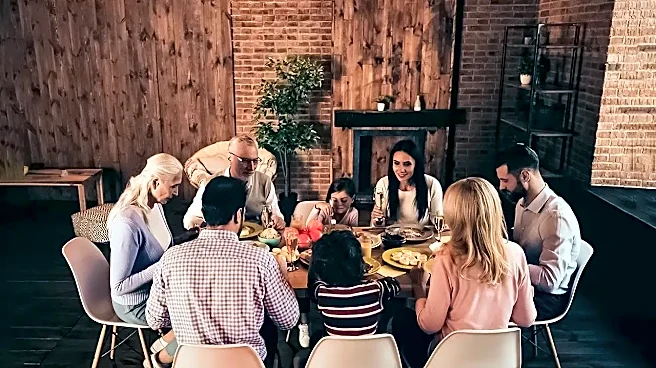
Holidays, especially Thanksgiving, are a screenwriter’s dream for creating immediate conflict. The entire premise is built on a deadline: everyone must gather at one table, on one day, and perform a ritual of togetherness. This structure acts as a narrative
pressure cooker. Families are forced into close quarters, dredging up old rivalries, unspoken resentments, and clashing personalities that have been simmering all year. In films like Jodie Foster’s 'Home for the Holidays,' the holiday itself is the central antagonist, forcing a beleaguered single mom (Holly Hunter) into the chaotic orbit of her dysfunctional family, where every interaction is loaded with history. The expectation is harmony, but the reality is a collision of messy human lives.
A Stage for Revealing Character
Nothing reveals a character’s true nature like stress. When the turkey is dropped, a secret is revealed, or a long-lost relative shows up unannounced, facades crumble. The Thanksgiving table becomes a stage for raw, unfiltered humanity. In 'The Humans,' a family gathers in a rundown Manhattan apartment, and as the day darkens, their deepest fears and failings are laid bare. The setting itself—a cramped, peeling apartment—mirrors the characters' internal decay and anxiety. Similarly, the disastrous dinner in 'Home for the Holidays,' which culminates in a flying turkey landing on the lap of the uptight sister, is less about the food and more about the explosion of long-suppressed tensions. The chaos serves to show who these people really are underneath the polite holiday veneer.
The Joy of Vicarious Dysfunction
Part of the appeal of watching a cinematic Thanksgiving implode is the sheer catharsis of it. These movie disasters are often far more dramatic than our own, providing a kind of morbid comfort. We get to watch someone else's family argue about politics, burn the main course, and air decades of dirty laundry from the safety of our couches. Sitcoms have perfected this trope for decades, using the 'failed Thanksgiving' to remind viewers that the gap between the perfect holiday ideal and real life is often immense and comical. It’s a relatable fantasy; the on-screen chaos validates the quiet stress many feel, assuring us that no family is perfect and that our own minor holiday mishaps are, by comparison, quite manageable.
A Path to Hard-Won Grace
While many of these films revel in the chaos, they often conclude with a moment of grace. The disaster is what’s necessary to clear the air. After the shouting matches and culinary catastrophes, a fragile, more honest connection often emerges. The classic 'Planes, Trains & Automobiles' isn't about the dinner itself, but the hellish journey to get there. The conflict and misery shared by Neal (Steve Martin) and Del (John Candy) forge an unlikely bond, and the film’s heartfelt conclusion hinges on Neal inviting the homeless Del to his family’s perfect Thanksgiving. The final, heartwarming meal is earned through the preceding chaos. It suggests the true spirit of the holiday isn’t found in a flawless dinner, but in empathy and connection discovered in the most imperfect circumstances.