





The Economy of Attention
We live in an attention economy, and our style often reflects that. The logic is simple: to be seen, you must be visible. To be heard, you must be loud. This translates into a visual language of peacocking—bright colors, extravagant accessories, and brand
names worn like billboards. It’s a strategy rooted in a very human anxiety: the fear of being overlooked. In a crowded professional or social landscape, the instinct is to crank up the volume. The belief is that the person in the sequined blazer or the neon sneakers will capture the opportunity, the conversation, the deal. This approach works on the principle of broadcast. You send out a strong, unmistakable signal and hope it lands with the right audience. It's a perfectly valid strategy, and for many, it works. It’s the native language of social media, red carpets, and any environment where first impressions are made in a split second.
The Power of the Deliberate Whisper
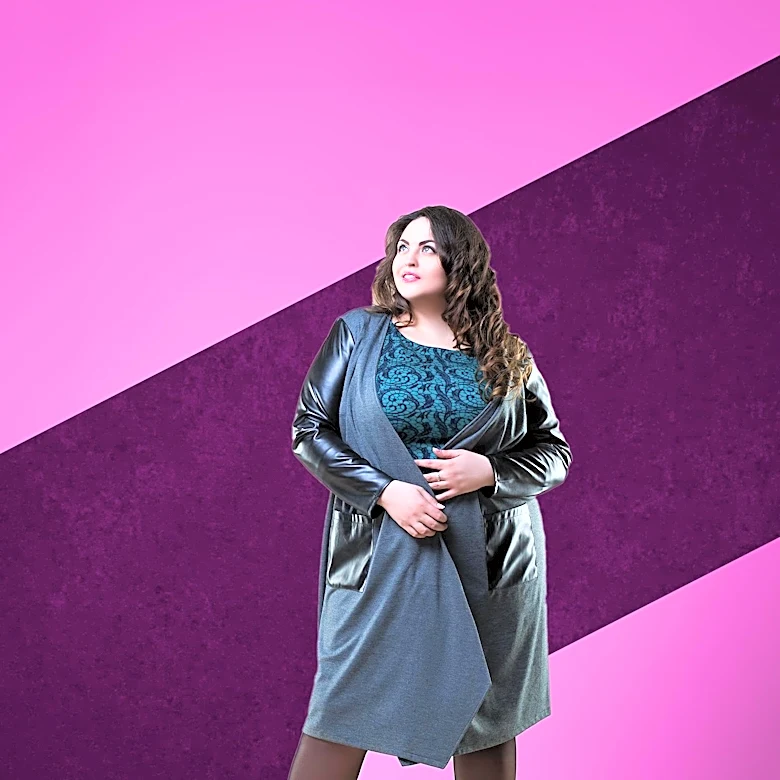
But then there is the other approach. Understatement isn’t the absence of style; it’s the mastery of it. Choosing to wear a simple, perfectly tailored navy suit, a classic white shirt, or a dress without a single embellishment in a room full of noise is not a passive act. It is a deeply confident one. It says, “I don’t need my clothes to speak for me.” This is not about hiding. It is about choosing a different communication channel. While loudness broadcasts, understatement invites. It's a whisper in a shouting match. The person dressed in quiet, confident basics trusts that their presence, their intellect, and their conversation are enough. Their style is a foundation, not a facade. It telegraphs that their value is inherent, not applied. This approach rejects the premise that attention must be grabbed. Instead, it operates on the belief that it can be earned and, more importantly, commanded.
Making Them Lean In
The psychological effect of understatement is fascinating. When someone is not visually shouting, we are forced to re-evaluate how we engage with them. A loud outfit pre-screens the wearer; you have a story about them before they’ve even spoken. A quiet outfit, however, is a blank slate. It creates a vacuum that our curiosity rushes to fill. Who is this person? What do they do? You find yourself leaning in, not just physically to hear them better, but mentally. You have to listen to their words, watch their body language, and judge them on the substance of their character. In a professional context, this is a superpower. The person who doesn’t need the flashy watch or the designer logo is often assumed to be the one with the real authority—the owner, the founder, the person who signs the checks, not the one who needs to prove they belong. Their confidence is the accessory.
It's Not About Being Boring
Let’s be clear: understatement is not a synonym for boring. It is a philosophy of 'less, but better.' It’s the difference between a cheap, flashy suit and a bespoke garment made of exquisite wool. It’s the quiet luxury of a perfect cashmere sweater, a beautifully made leather bag with no logo, or a watch passed down through generations. This aesthetic is rooted in quality, fit, and texture—details that are appreciated up close, by those in the know. Think of the enduring style of figures like Steve Jobs, whose black turtleneck and jeans became a uniform of focused genius, or the quiet elegance of designers who champion minimalist aesthetics. They aren't trying to disappear. They are curating their impact. The focus shifts from the spectacle of the clothing to the substance of the wearer, making it a powerful tool for anyone who wants to be remembered for who they are, not just for what they wore.