


The Wimbledon Canvas
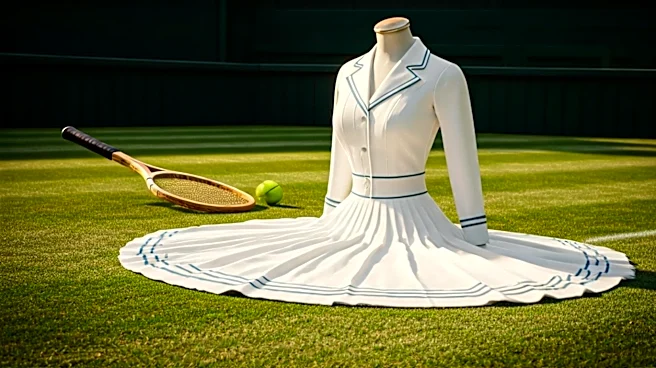
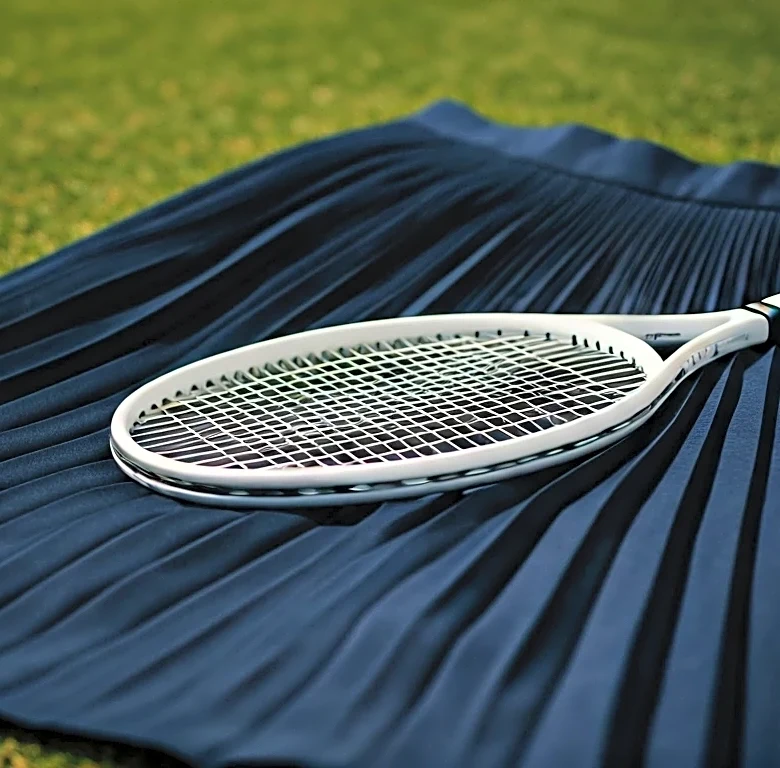
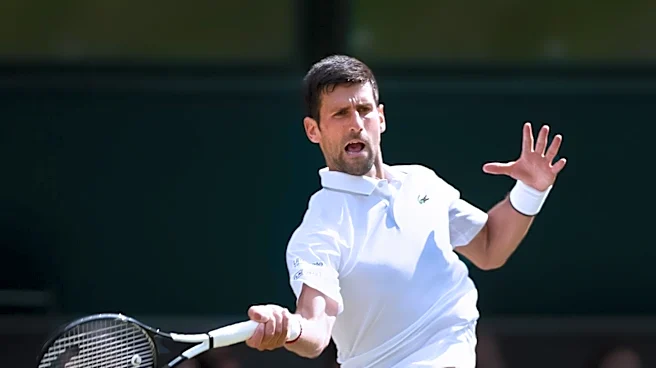
More than any other Grand Slam, Wimbledon is a spectacle of style. Its famously strict “almost entirely white” rule, a relic from the 1800s designed to make sweat stains less visible, has become the tournament's most defining aesthetic feature. Over the decades,
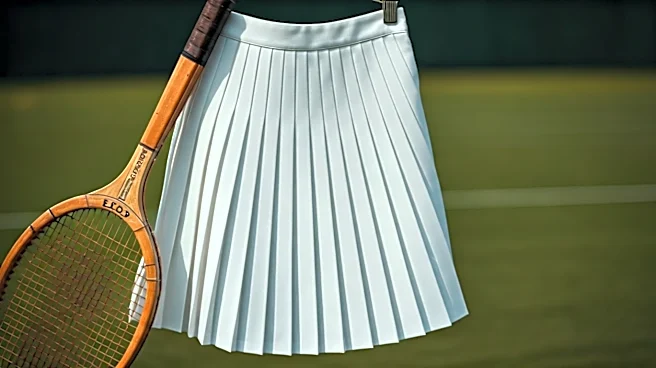
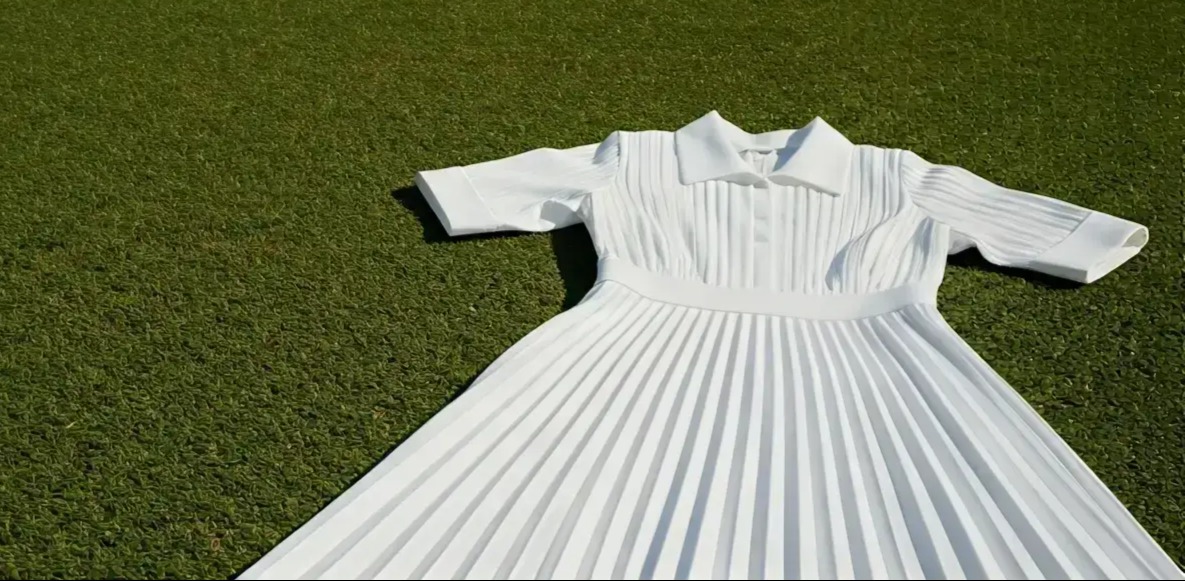
players have found ways to express individuality within these crisp confines, from Suzanne Lenglen’s revolutionary calf-length skirts in the 1920s to Roger Federer’s controversial orange-soled shoes. It’s this tension between rigid code and personal expression that makes the event a perfect playground for a designer like Thom Browne, who has built a global brand on the concept of the uniform. Known for his shrunken gray suits, Browne has always been inspired by the discipline and classicism of sportswear, making his foray into the world of tennis feel less like a trend and more like a homecoming.
Inside the Designer's Mind
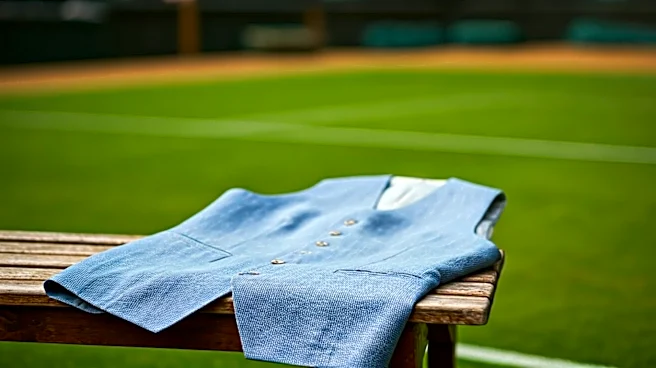
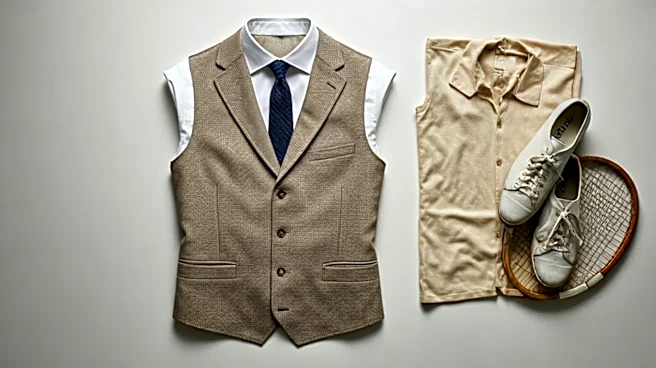
To understand a Thom Browne piece is to understand his process, which often begins with a deep dive into history. Imagine a mood board plastered with images of early 20th-century tennis. You’d see players in flannel trousers, cable-knit cricket sweaters, and high-waisted shorts—silhouettes that prioritized a certain gentlemanly elegance over pure athletic performance. Browne, who has consistently used sport as a key reference, excels at mining these archives. His past collections have referenced everything from 1920s Olympians to American football, abstracting the functional details of vintage athletic gear into high-fashion concepts. The linen waistcoat, therefore, isn't just a random choice; it's a deliberate nod to a bygone era of sporting life, when players and spectators alike dressed with a formal flair that has all but vanished from modern arenas.
The Archival Details, Reimagined
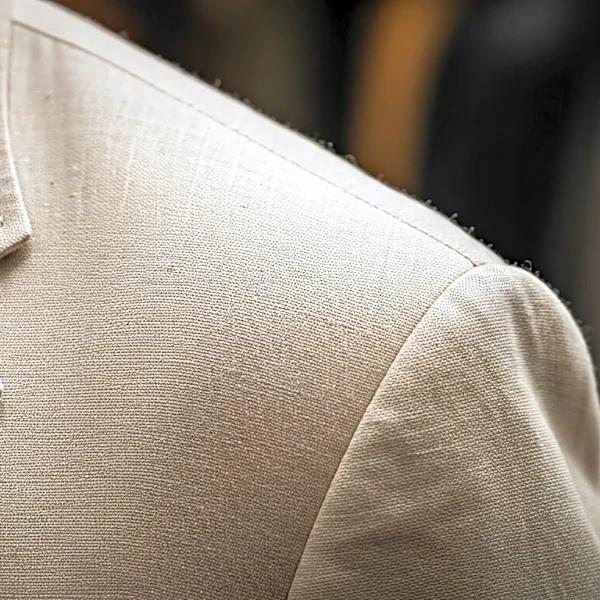
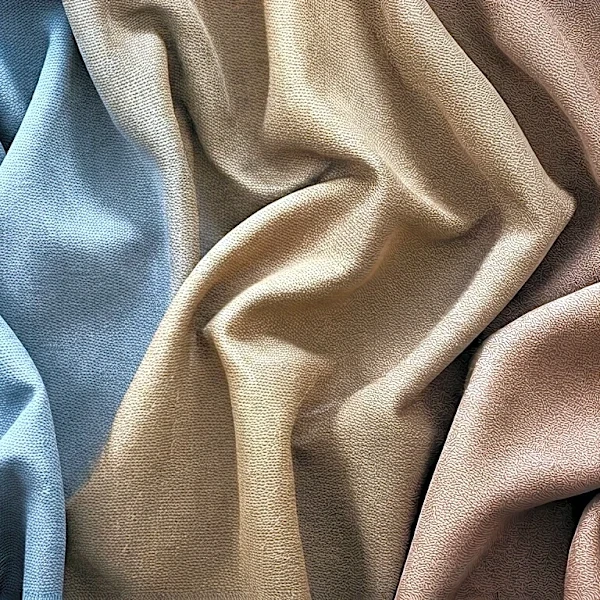
The magic of a Thom Browne design lies in its translation of these historical references. The waistcoat itself is a prime example. Once a staple of men's formalwear and early sportswear, it gets a complete overhaul. Instead of heavy wool, he opts for breathable linen, a practical fabric perfectly suited for a summer tournament. While a vintage waistcoat might have been part of a three-piece suit, Browne liberates it, styling it as a standalone piece that feels both classic and contemporary. This specific garment connects to a broader history of tennis attire, which saw men competing in full trousers and button-down shirts before icons like René Lacoste introduced the more practical short-sleeved polo. Browne’s interpretation acknowledges this evolution, creating something that feels respectful of the past without being a costume.
The Unmistakable Browne Signature
But a Thom Browne piece is never just a history lesson. It must be filtered through his highly specific, almost obsessive, design language. A simple linen waistcoat is transformed with his signature details. You might find it cropped to an unexpectedly high length, a hallmark of his shrunken tailoring. The edges might be tipped with his iconic four-bar stripe motif, a design element that has become a globally recognized signature. It's this combination of historical reverence and modern irreverence that defines his work. He takes the understandable, shared language of a classic uniform—whether it’s a school blazer, a military coat, or a tennis vest—and re-proportions it, making you see it in an entirely new way. The result is a garment that feels perfectly at home in the stands at Centre Court, yet is unmistakably part of Browne's unique and subversive universe.