


The Monster-of-the-Week Format Is Binge-Watching Perfection
While the show is famous for its overarching alien mythology, its heart and soul often lie in the 'Monster-of-the-Week' episodes. These self-contained stories make for ideal marathon viewing, allowing you to dip in and out without needing a flowchart
to follow the plot. One hour you're watching Mulder and Scully hunt a sewer-dwelling fluke-man in New Jersey, the next you're investigating a town of carnies with a dark secret. This anthology-like quality lets the show function as a tasting menu of terror, serving up dozens of distinct, digestible nightmares that defined horror on network television. It established early on that it wasn't just a sci-fi conspiracy show; it could be a horror program, too.
It Offers Horror for Every Taste
No matter what kind of scary you prefer, 'The X-Files' has an episode for it. The show masterfully cycled through nearly every subgenre of horror imaginable. For creature-feature fans, there are episodes like “Quagmire” or “Darkness Falls,” which feel like classic B-movies. If you're into deeply disturbing psychological horror, episodes like “Irresistible” deliver chills without a supernatural element. The series also wasn't afraid to get graphic, with ventures into body horror in “Roadrunners” or pure gore in “Sanguinarium” that pushed the boundaries of what was acceptable on TV. Then there's “Home,” an episode so unnerving it famously aired with a viewer discretion warning and was banned from re-runs for years.
A Deep Current of Enduring Paranoia
Beyond the jump scares and creature effects, the show is steeped in a profound sense of paranoia that feels more relevant today than it did in the 1990s. The central theme isn't just that aliens exist, but that the institutions meant to protect us are actively hiding the truth. This deep-seated distrust of authority gives the series a psychological weight that lingers long after the credits roll. It captured the feeling that unseen forces were operating just beneath the surface of normal life. In an era of rampant misinformation and institutional skepticism, Mulder's desperate search for truth in a world of shadows and lies has a chilling, contemporary resonance.
The Unbeatable Autumnal Atmosphere
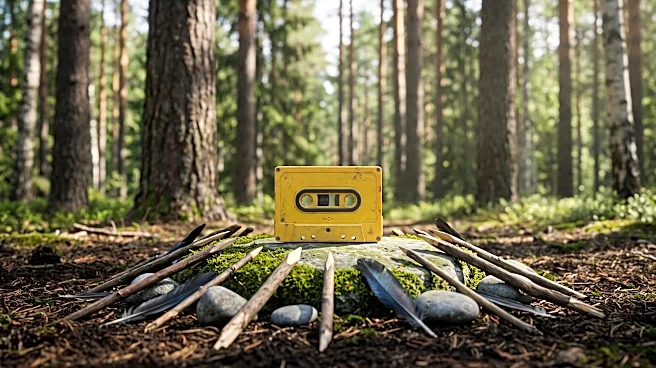
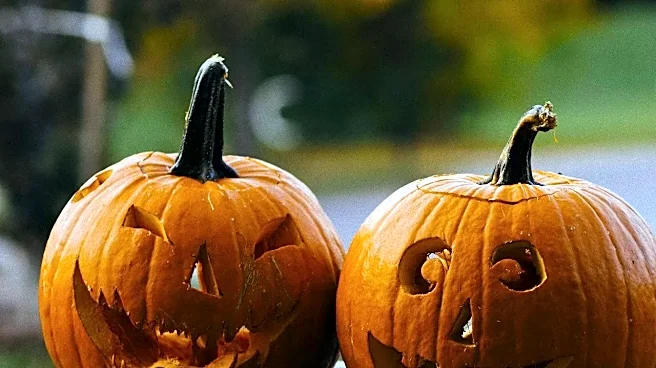
The show's aesthetic is pure Halloween. Filmed for its first five seasons in and around Vancouver, the series is defined by its damp, foggy, and perpetually overcast look. The visuals are a tapestry of dark forests, rain-slicked streets, and flashlight beams cutting through suffocating darkness. This moody, atmospheric cinematography elevates even simple scenes, creating a constant sense of unease and mystery. The setting itself becomes a character, contributing to the feeling that something strange could be lurking in any small town or wooded area. It's a visual style that feels intrinsically linked to the fall, making it the perfect visual companion for an October night.
Scully and Mulder: The Grounding Force
For all its monsters and conspiracies, the show works because of the chemistry between its two leads. The dynamic between Fox Mulder, the passionate believer, and Dana Scully, the grounded scientist, provides the emotional core that makes the unbelievable feel believable. Their trust in each other, when they can't trust anyone else, gives the audience a vital anchor in a world of chaos. We experience the horror through their eyes, often only knowing as much as they do, which amplifies the tension. Their partnership redefined on-screen duos and created an accessible entry point into a world of high-concept sci-fi and horror, making the journey through the darkness not just scary, but deeply human.